The Amur Leopard

yean rath
January 31, 2026 • 122 views
Advertisement

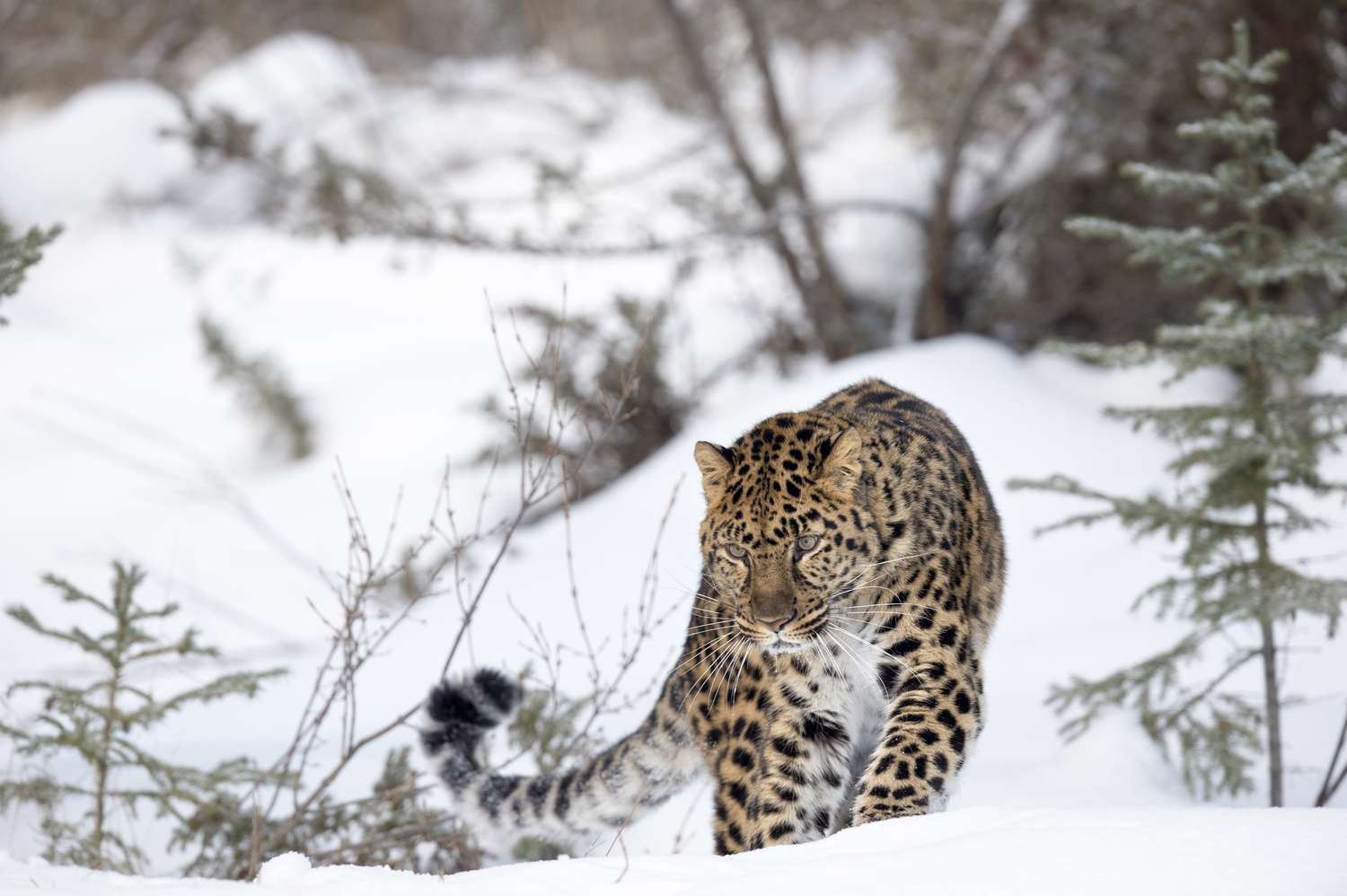
An Amur Leopard with its thick winter coat walking through the snow in the Russian Far East.
The Beautiful Snow Predator and the Rarest Big Cat on Earth
In the world of wildlife, some animals represent brute strength, while others represent sheer agility. But for the Amur Leopard (Panthera pardus orientalis), it represents incredible resilience and endurance. Living in the freezing, snow-covered landscapes of the Russian Far East and Northern China, this leopard has become the rarest and most endangered big cat on the planet.
Beauty Evolved for the Cold
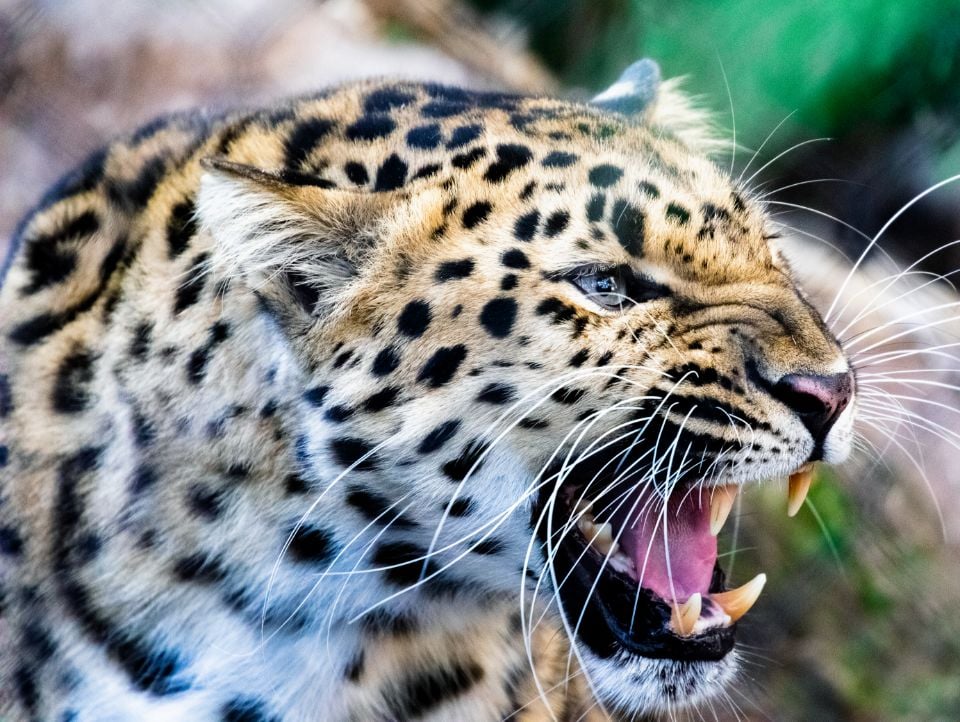
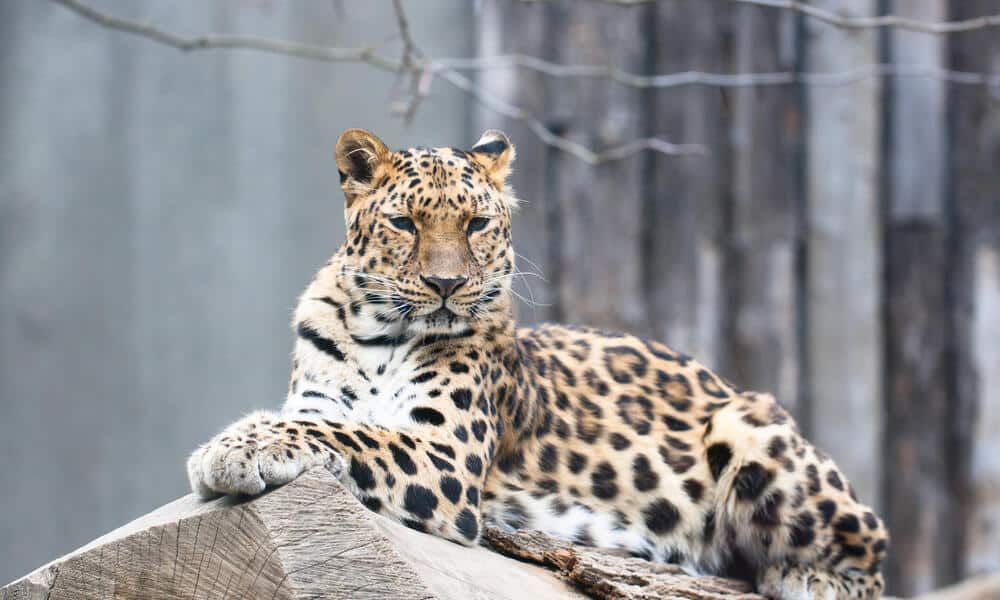
Unlike the leopards found in African savannas or Southeast Asian jungles, the Amur Leopard is uniquely adapted to sub-zero temperatures. Its coat is a pale yellow-orange with thick, widely spaced black rosettes. In the harsh winter, its fur grows up to 7 centimeters (2.7 inches) long to insulate against the biting cold. Furthermore, its long, powerful legs act like natural "snowshoes," allowing it to glide across deep snow with ease.
The Solitary and Intelligent Hunter
The Amur Leopard is a solitary and elusive creature. It is a silent ghost of the forest, using its keen eyesight and acute hearing to track prey. Its diet mainly consists of Sika deer, Roe deer, and wild boars. Fascinatingly, an Amur Leopard can reach top speeds of 60 kilometers per hour (37 mph) and can leap nearly 6 meters (19 feet) horizontally in a single bound.
On the Brink of Extinction
Why do we call it the rarest? In the early 2000s, it was estimated that fewer than 30 individuals remained in the wild. This near-extinction was driven by three primary factors: illegal poaching for their stunning coats, habitat loss due to deforestation, and inbreeding depression caused by such a dangerously small gene pool.
Hope and Recovery
However, the story of the Amur Leopard is one of hope. Thanks to intense conservation efforts by the Russian and Chinese governments, and international organizations like WWF, the population is slowly rebounding. The establishment of the "Land of the Leopard" National Park in Russia has been a game-changer. As of 2024-2025, the wild population is estimated to have grown to over 120 individuals. While still critically low, it proves that when humanity acts, we can pull species back from the abyss.
Amur vs. Common Leopard
- Fur: Amur Leopards have much thicker and longer fur (up to 7cm in winter).
- Color: Their coat is paler to blend in with snowy landscapes, whereas African leopards have a more saturated golden-yellow hue.
- Rosettes: Their black spots are larger, with thicker borders and more space in between.
The Amur Leopard is a priceless heritage of nature. Its existence is a testament to the beauty and resilience of life. To lose such a magnificent creature would be an immeasurable loss to Earth's biodiversity. As a global community, we must continue to support conservation efforts to ensure this "Ice Predator" continues to roam the eastern forests with pride forever.
References
- World Wildlife Fund (WWF): Amur Leopard Species Profile and Population Status.
- IUCN Red List: Panthera pardus orientalis - Critically Endangered.
- Land of the Leopard National Park (Russia): Official Annual Reports.
- National Geographic: The Race to Save the World's Rarest Cat.
- Wildlife Conservation Society (WCS): Amur Leopard Conservation Projects.
Advertisement
Photo Gallery