The Asian Elephant

yean rath
January 09, 2026 • 160 views
Advertisement

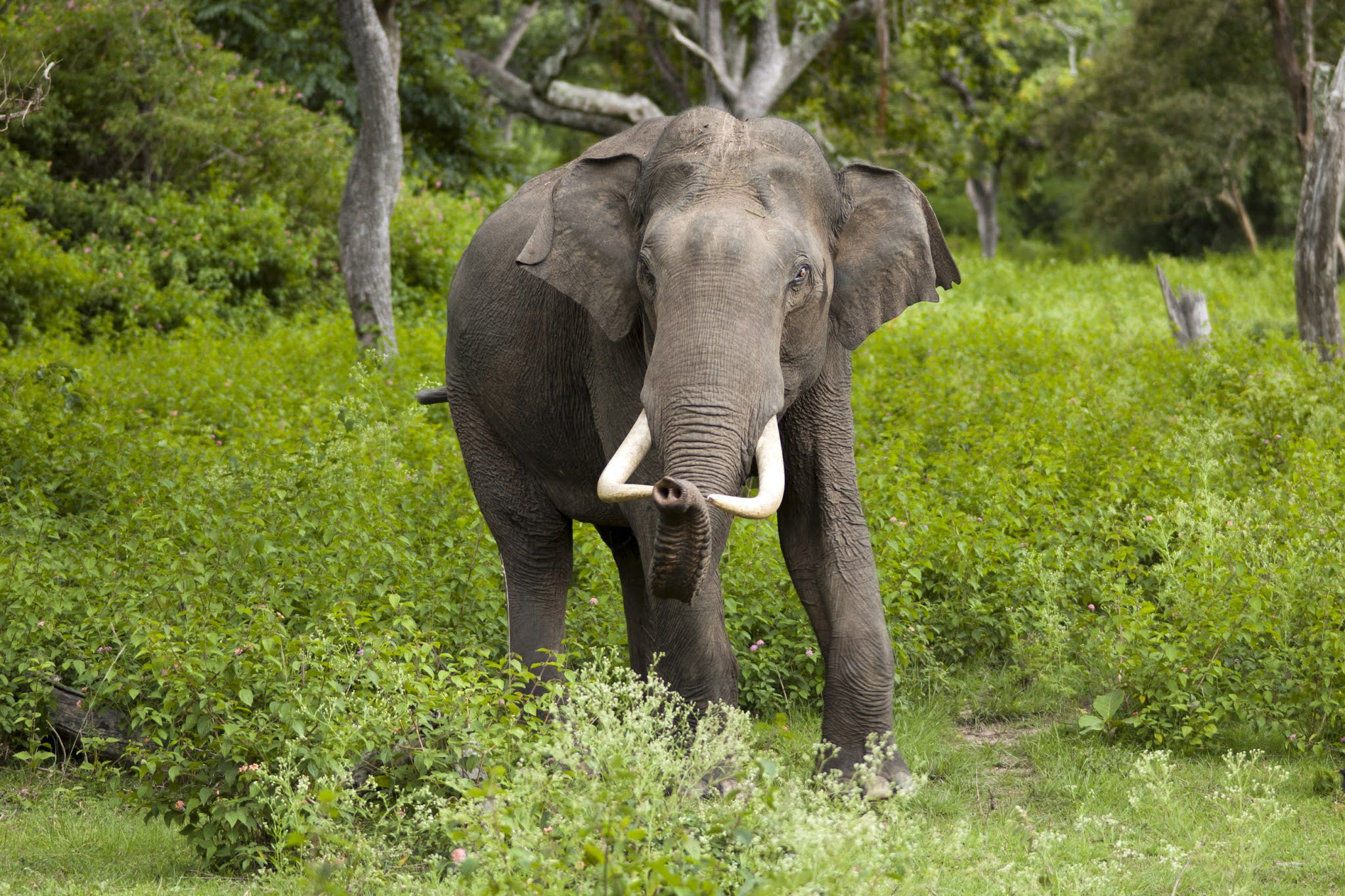
A majestic Asian Elephant walking through the lush green forests of Mondulkiri, Cambodia.
The Gentle Giant and the Soul of Cambodia's Forests
In the annals of Cambodian history and culture, no animal commands as much respect and awe as the Asian Elephant (Elephas maximus). From the era of Angkor Wat’s construction to the present day, elephants have been revered as sacred beings, loyal companions to kings, and guardians of nature's balance. Yet, today, these "gentle giants" are facing an unprecedented crisis that threatens their very existence.
Physicality and Distinction
Asian elephants are the largest land mammals in Asia. They are often compared to their African cousins, but key differences define them:
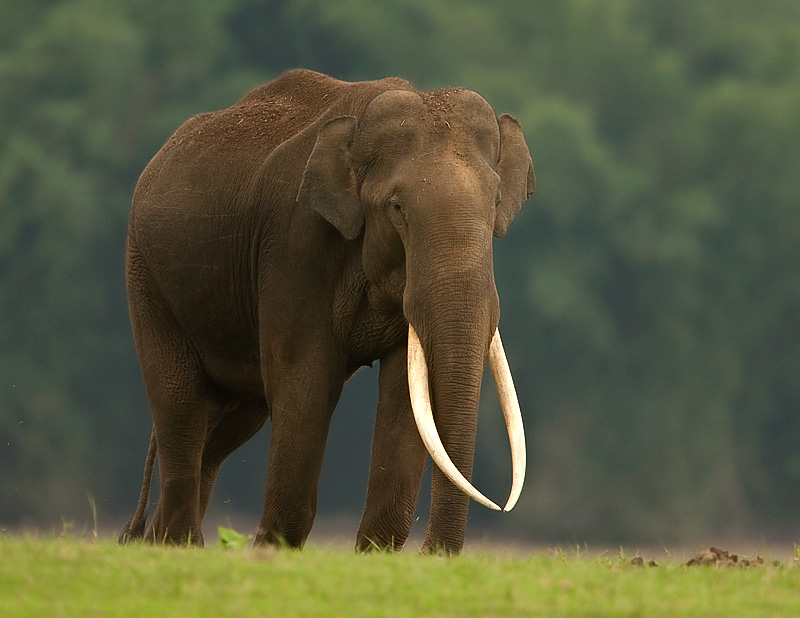
- Ears: Their ears are smaller and more rounded.
- Head: They feature two prominent domes on their foreheads.
- Back: The back of an Asian elephant is arched or convex, unlike the concave back of African elephants.
- Trunk: Their trunk ends in a single "finger-like" projection for grasping, whereas African elephants have two.
Architects of the Ecosystem
Elephants are often called "Ecosystem Engineers." In the forests of Cambodia, they play a vital role:
- Trailblazing: By moving through dense vegetation, they create pathways for smaller animals.
- Seed Dispersal: Elephants consume vast amounts of fruit and plants. The seeds are dispersed over long distances through their dung, acting as natural reforestation agents.
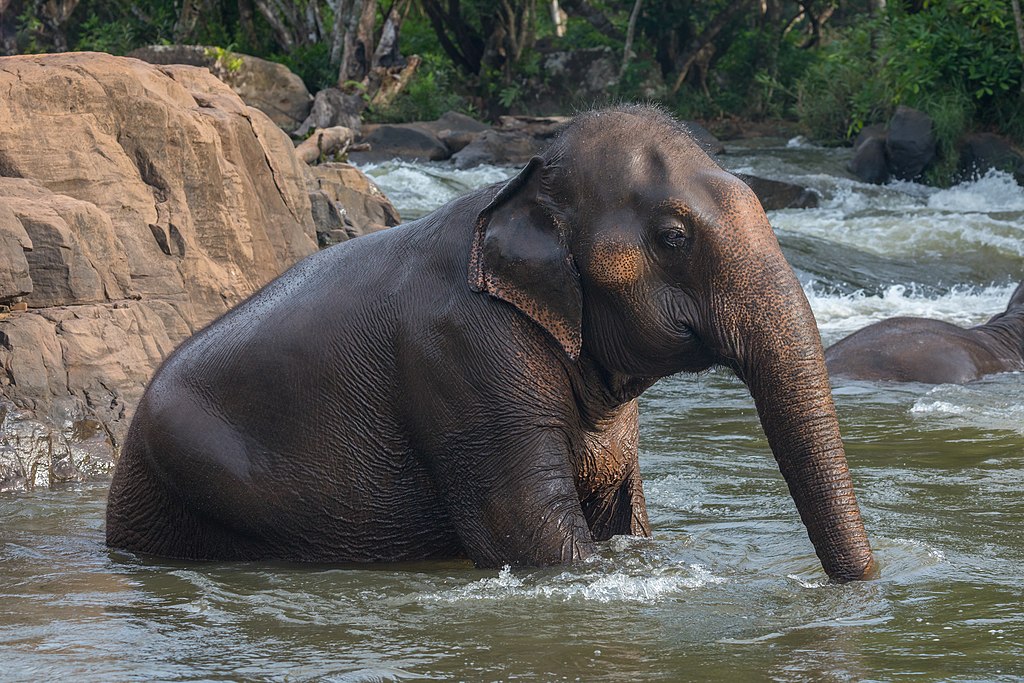
- Water Holes: During droughts, elephants use their feet and tusks to dig for water, creating pools that serve the entire wildlife community.
The Situation in Cambodia
Today, it is estimated that only 400 to 600 Asian elephants remain in Cambodia's wild. They are largely concentrated in two major landscapes:
- The Cardamom Mountains: One of the most pristine and protected rainforests in Southeast Asia.
- The Eastern Plains (Mondulkiri & Ratanakiri): A region where elephants have coexisted with indigenous communities for centuries.
The Looming Threats
Why are these magnificent beings endangered?
- Habitat Fragmentation: Forests are being cut down for agriculture, forcing elephants into smaller, isolated patches of land.
- Human-Elephant Conflict (HEC): As habitats shrink, elephants raid crops to survive, leading to conflicts with farmers that often end tragically for both sides.
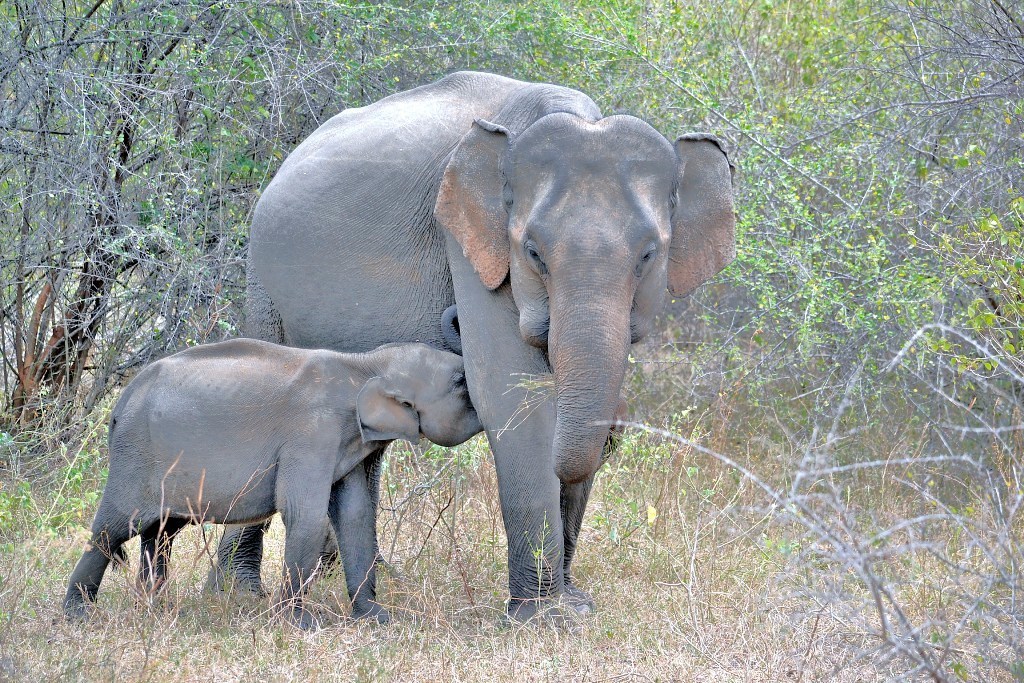
- Snares and Poaching: While ivory poaching has declined in Cambodia, the prevalence of indiscriminate wire snares set for bushmeat is a major killer, often injuring or killing young calves.
Hope and Conservation
The Cambodian government, alongside NGOs like WWF, Wildlife Alliance, WCS, and Airavata, is working tirelessly to secure their future through:
- Creating protected wildlife corridors.
- Community education to mitigate Human-Elephant Conflict.
- Strengthening law enforcement and de-snaring campaigns.
The Asian Elephant is more than just a wild animal; it is a living heritage of the Kingdom of Cambodia. If the trumpeting of elephants were to vanish from our forests, the soul of our wilderness would vanish with them. Protecting elephants is not just about saving a species; it is about preserving the heartbeat of our nation and the health of our planet.
References
- IUCN Red List of Threatened Species: Elephas maximus.
- WWF Cambodia: Elephant Conservation Program in the Eastern Plains.
- Wildlife Alliance: Protection of Cardamom Rainforest Landscape.
- WCS Cambodia: Keo Seima Wildlife Sanctuary Monitoring.
- Ministry of Environment, Cambodia: National Elephant Conservation Action Plan (2020-2029).
Advertisement
Photo Gallery