The Moon Bear

yean rath
January 09, 2026 • 199 views
Advertisement

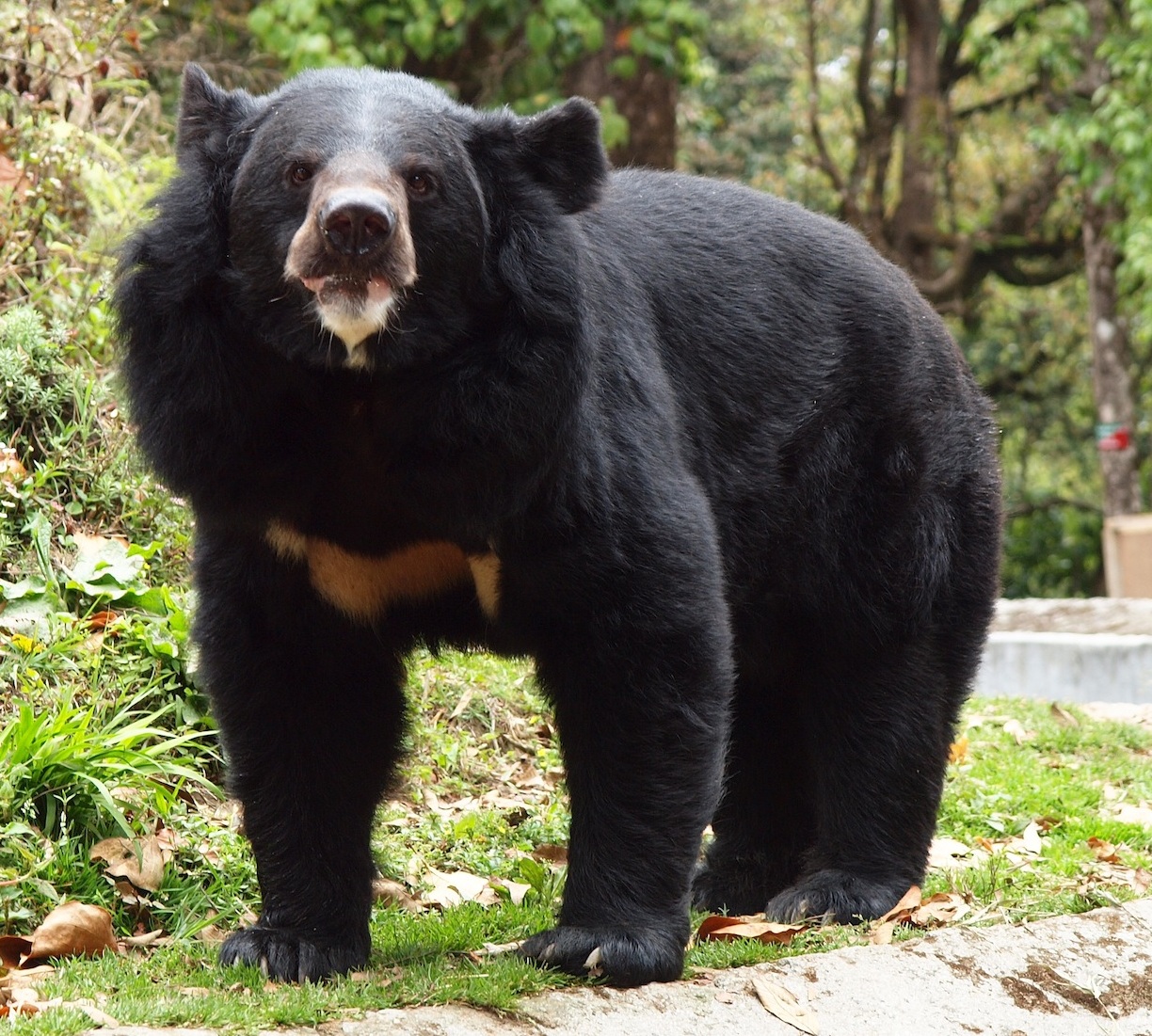
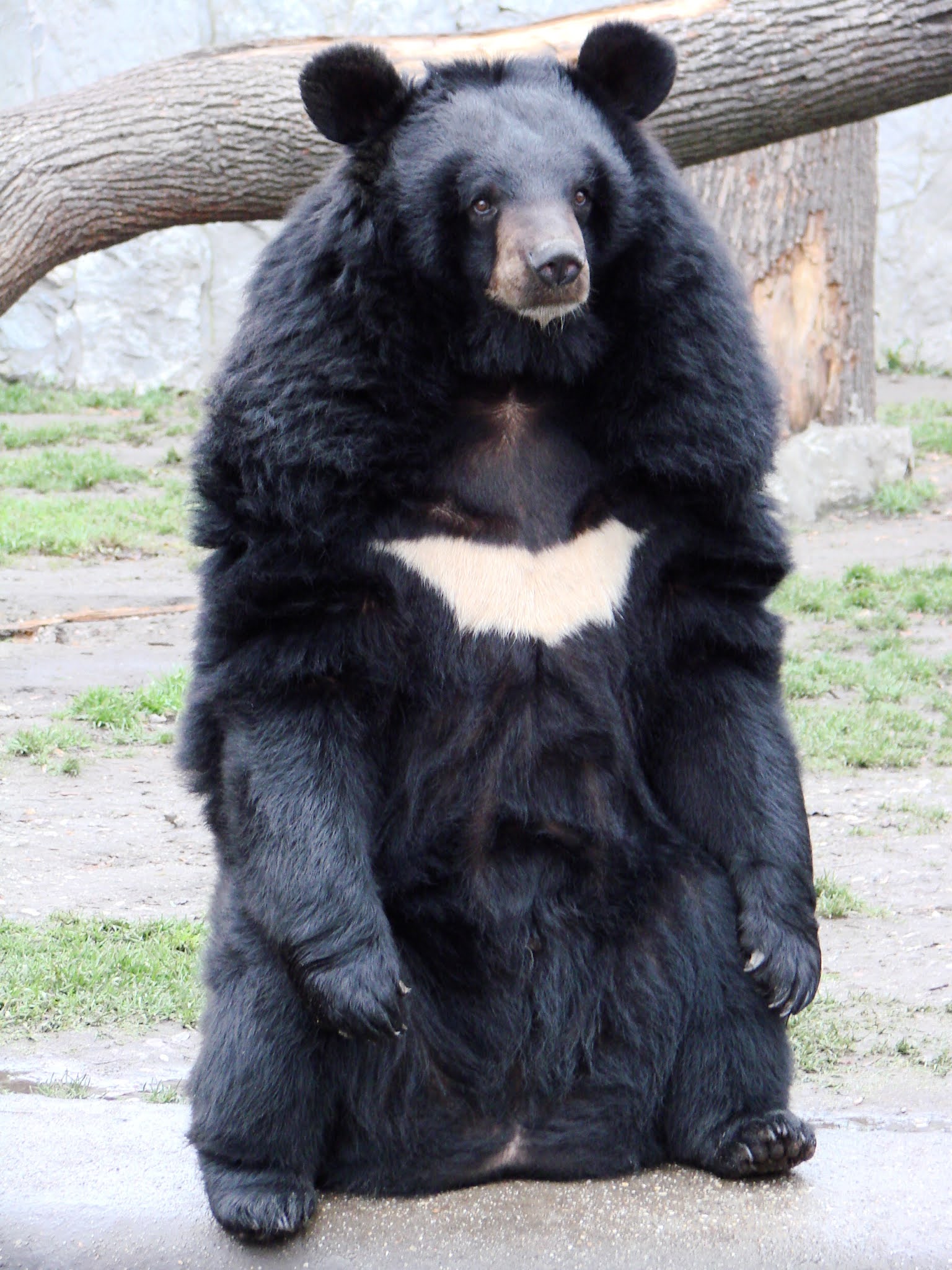
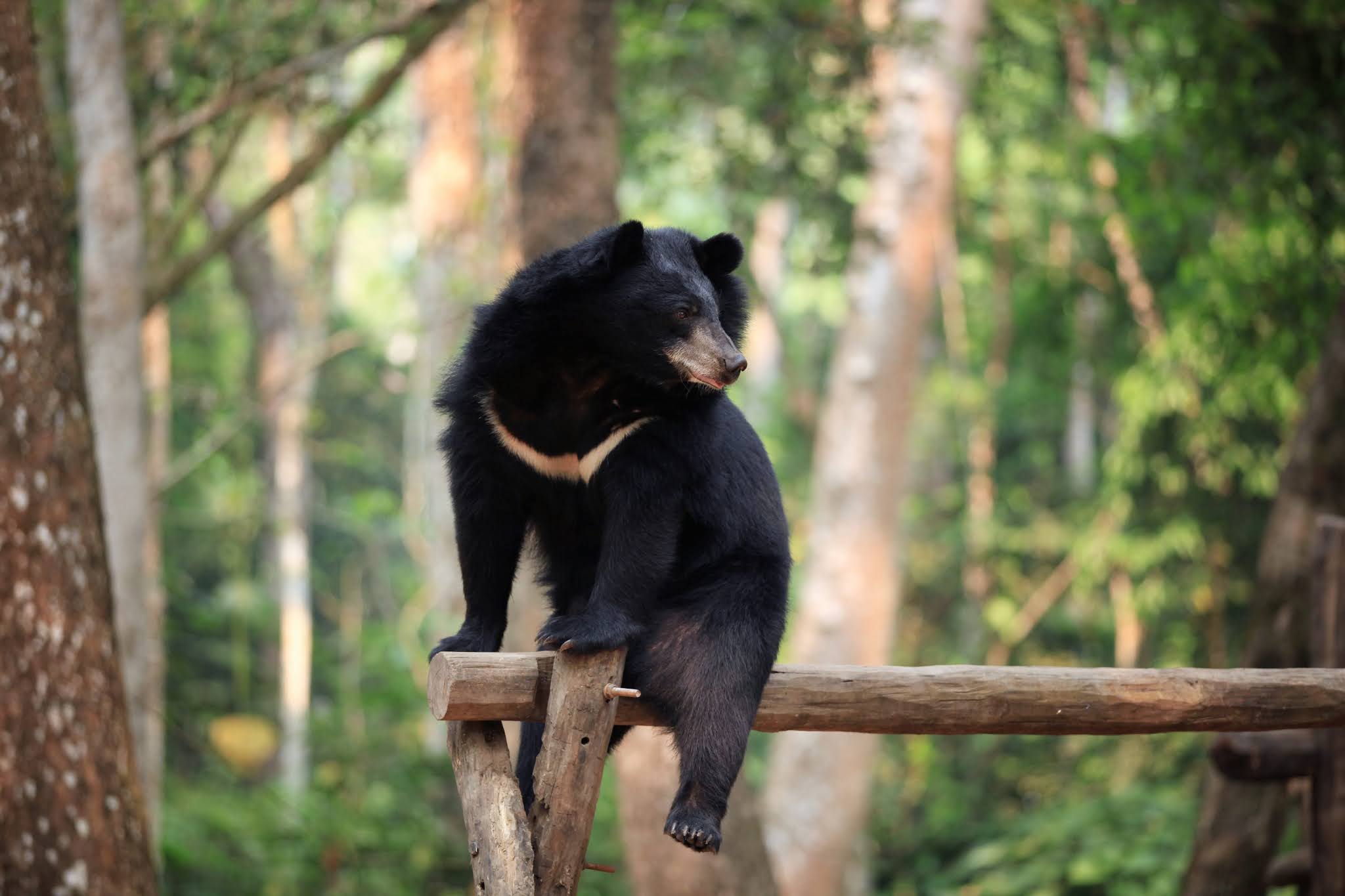
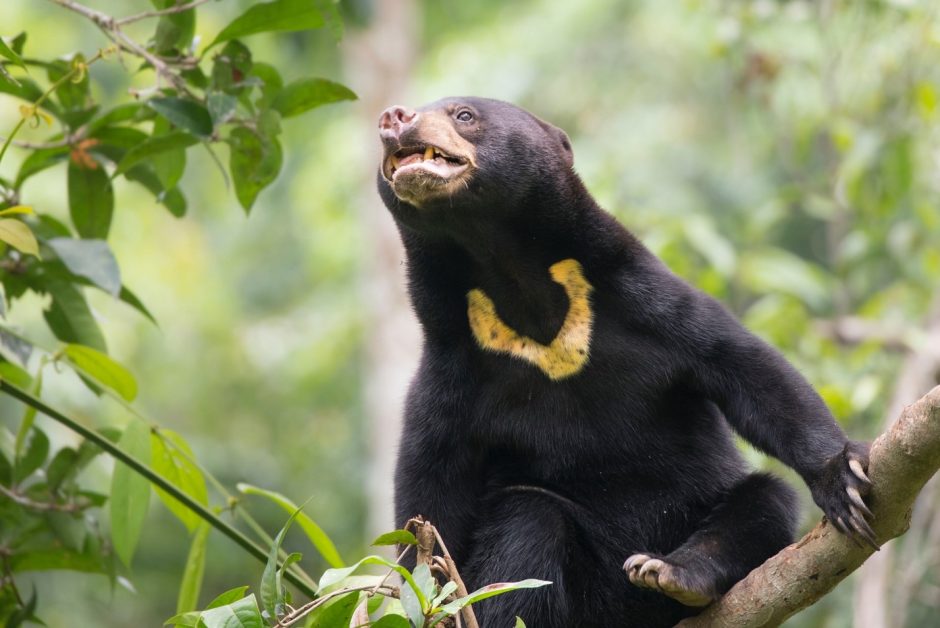
An Asiatic Black Bear sitting in a forest, clearly showing the white V-shaped crescent mark on its chest.
The Majestic Queen of Asian Forests and the Tragic Story the World Needs to Know
In the misty mountain forests of Asia, from the towering Himalayas to the dense jungles of Cambodia, a powerful and mysterious creature rules the terrain. Clad in shaggy jet-black fur with a distinctive white "V" across its chest—resembling a crescent moon rising in the midnight sky—this is the Moon Bear, scientifically known as the Asiatic Black Bear (Ursus thibetanus).
The Moon Bear is not only a symbol of strength and natural beauty but also one of the most persecuted animals on Earth due to human greed.
Physical Characteristics and Identity
The Moon Bear is significantly larger than its forest neighbor, the Sun Bear. Adult males can weigh up to 200 kg, while females typically weigh around 125 kg.
- The Crescent Mark: The cream or white V-shaped patch on its chest is its most iconic feature. Legend in some cultures suggests this mark acts as a shield for its heart.
- Fur and Ears: They have a ruff of long fur around their neck and shoulders, making them look even larger. Their large, rounded, bell-like ears give them an exceptional sense of hearing compared to other bear species.
Master Climbers and Diet
Despite their bulk, Moon Bears are incredible climbers. They spend a vast majority of their lives in the canopy, foraging, resting, and even building "nests" out of branches to sleep in.
They are opportunistic omnivores with a diverse diet:
- Fruits and Nuts: Their primary food source, especially seasonal wild berries and acorns.
- Honey: They have a legendary sweet tooth and will endure hundreds of bee stings to reach a hive.
- Insects and Meat: They also supplement their diet with termites, beetles, and occasionally small mammals or carrion.
Presence in Cambodia
In Cambodia, Moon Bears inhabit high-altitude mountain ranges and dense evergreen forests. They are primarily found in the Cardamom Mountains, the Dangrek Mountains, and the Eastern Plains (Mondulkiri and Ratanakiri). They are generally rarer than the Sun Bear in Cambodia, and their presence is a key indicator of a healthy, intact forest ecosystem.
The Tragedy of Bear Bile Farming
This is the darkest chapter of the Moon Bear's story. Across parts of Asia, thousands of bears are kept in "crush cages"—cages so small they cannot stand or turn around—to have their bile extracted for use in traditional medicine.
- Misguided Beliefs: It is believed that bear bile cures liver disease and inflammation. However, modern synthetic medicine and herbal alternatives exist that are just as effective, making this cruelty entirely unnecessary.
Threats and Conservation
The IUCN classifies Moon Bears as Vulnerable. In Cambodia, the primary threats include:
- Snaring: The silent killer. Snares set for wild pigs or deer often catch bears, leading to horrific injuries, amputations, or death.
- Habitat Loss: Deforestation deprives them of the vast home ranges they need to survive.
- Illegal Wildlife Trade: Cubs are often taken from the wild to be kept as pets or for display in unregulated facilities.
The Moon Bear is the soul of Asia's rugged peaks. Their loss would be a catastrophic blow to our natural heritage. We can all play a part in their survival by refusing wild meat, avoiding traditional medicines containing bear parts, and supporting organizations like Free the Bears, which operates a world-class rescue center at Phnom Tamao in Cambodia.
References
- IUCN Red List of Threatened Species: Ursus thibetanus.
- Free the Bears Fund: "Asiatic Black Bear Species Profile."
- Wildlife Alliance Cambodia: "Protecting the Rainforests of the Cardamoms."
- National Geographic: "Moon Bears: The Truth about Bile Farming."
- Garshelis, D. L. & Steinmetz, R. (2020). Asiatic Black Bear Conservation Status.
Advertisement
Photo Gallery