The Sloth

yean rath
February 03, 2026 • 199 views
Advertisement
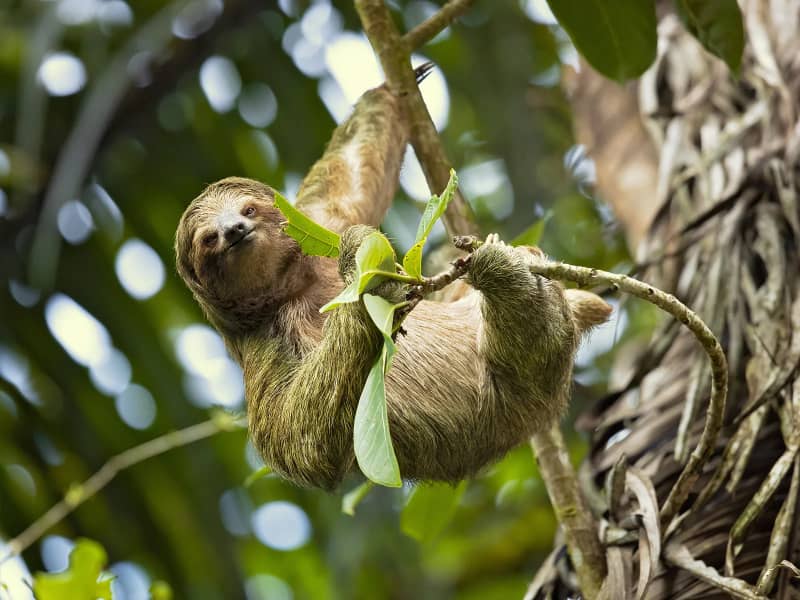
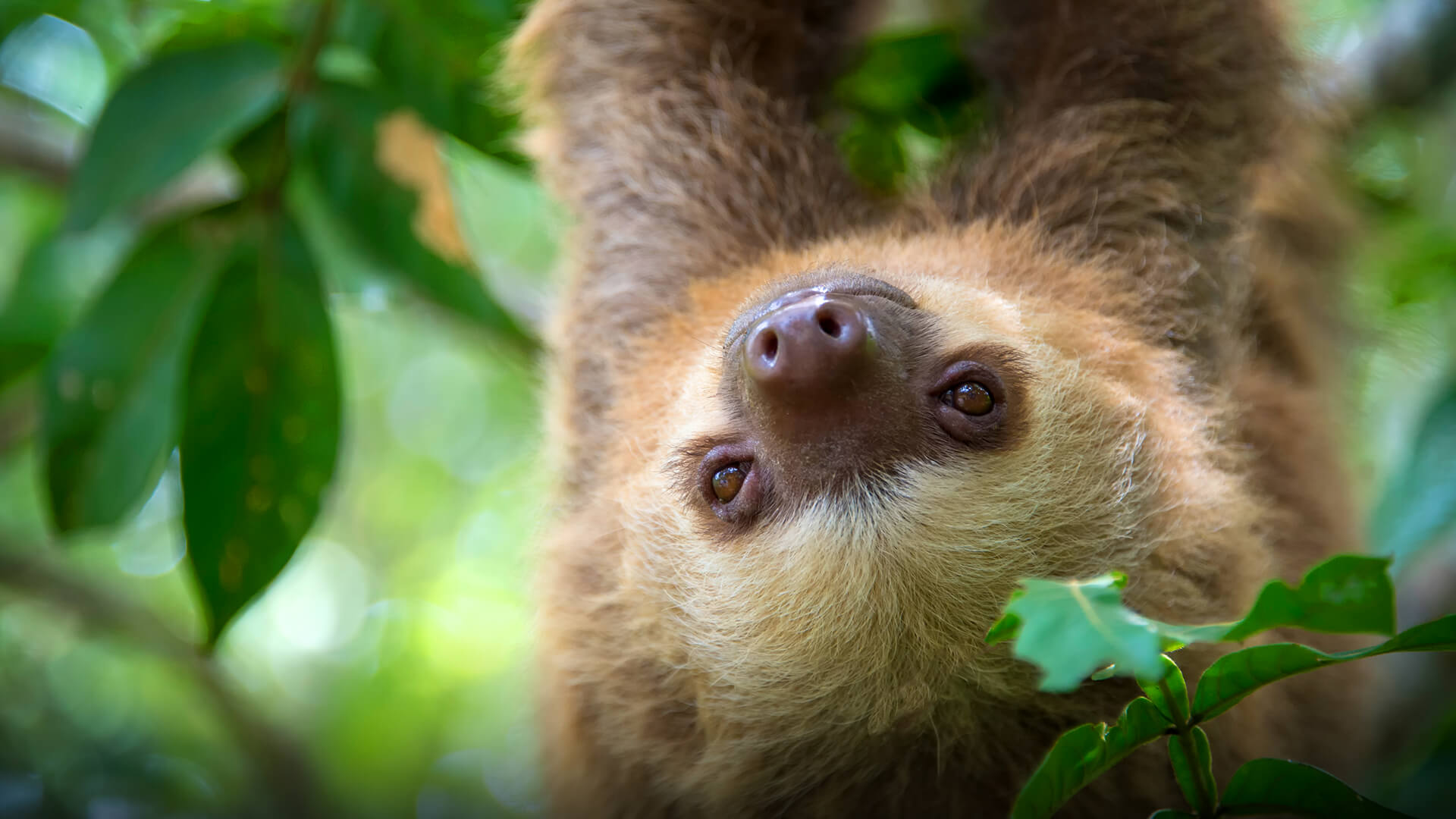
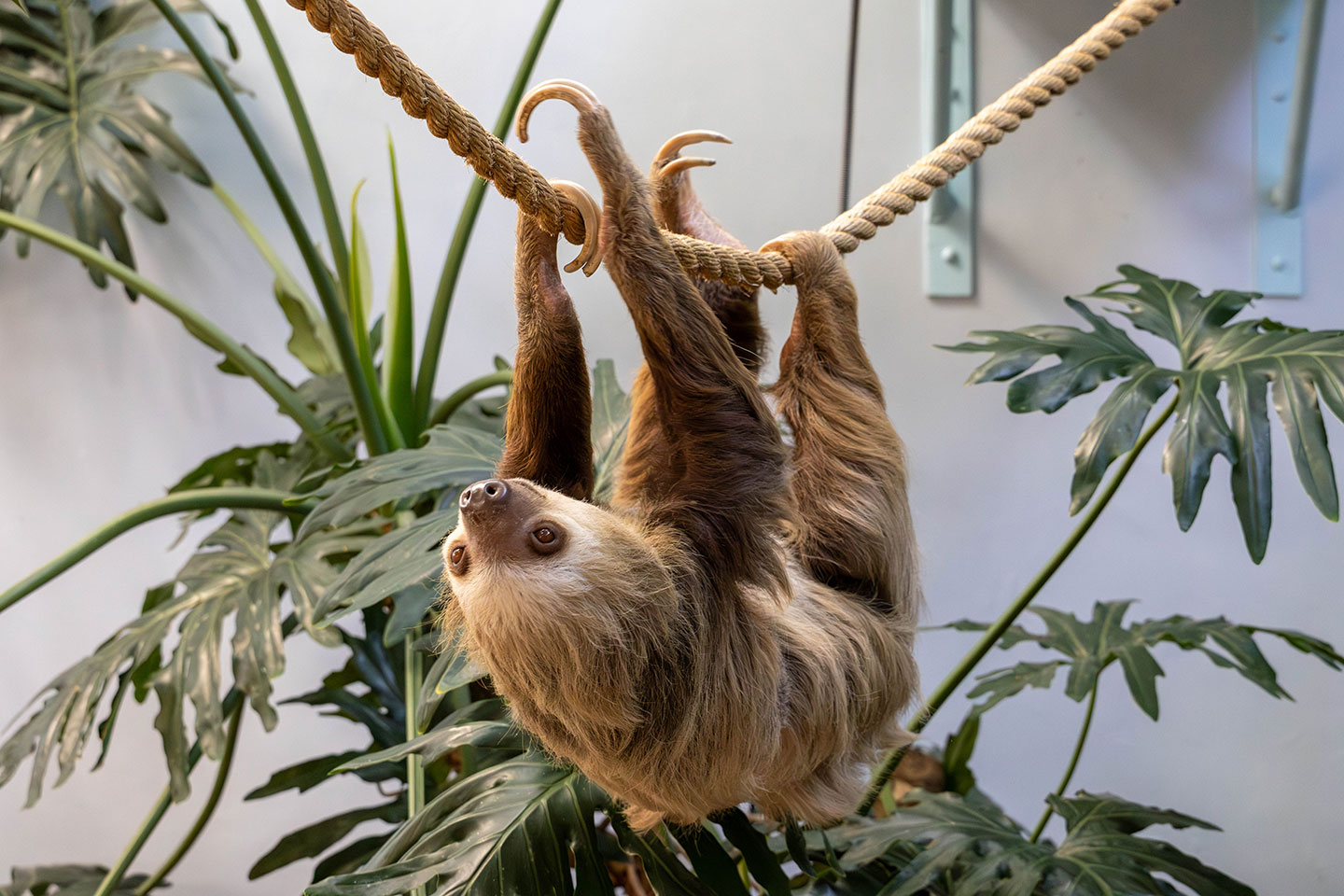
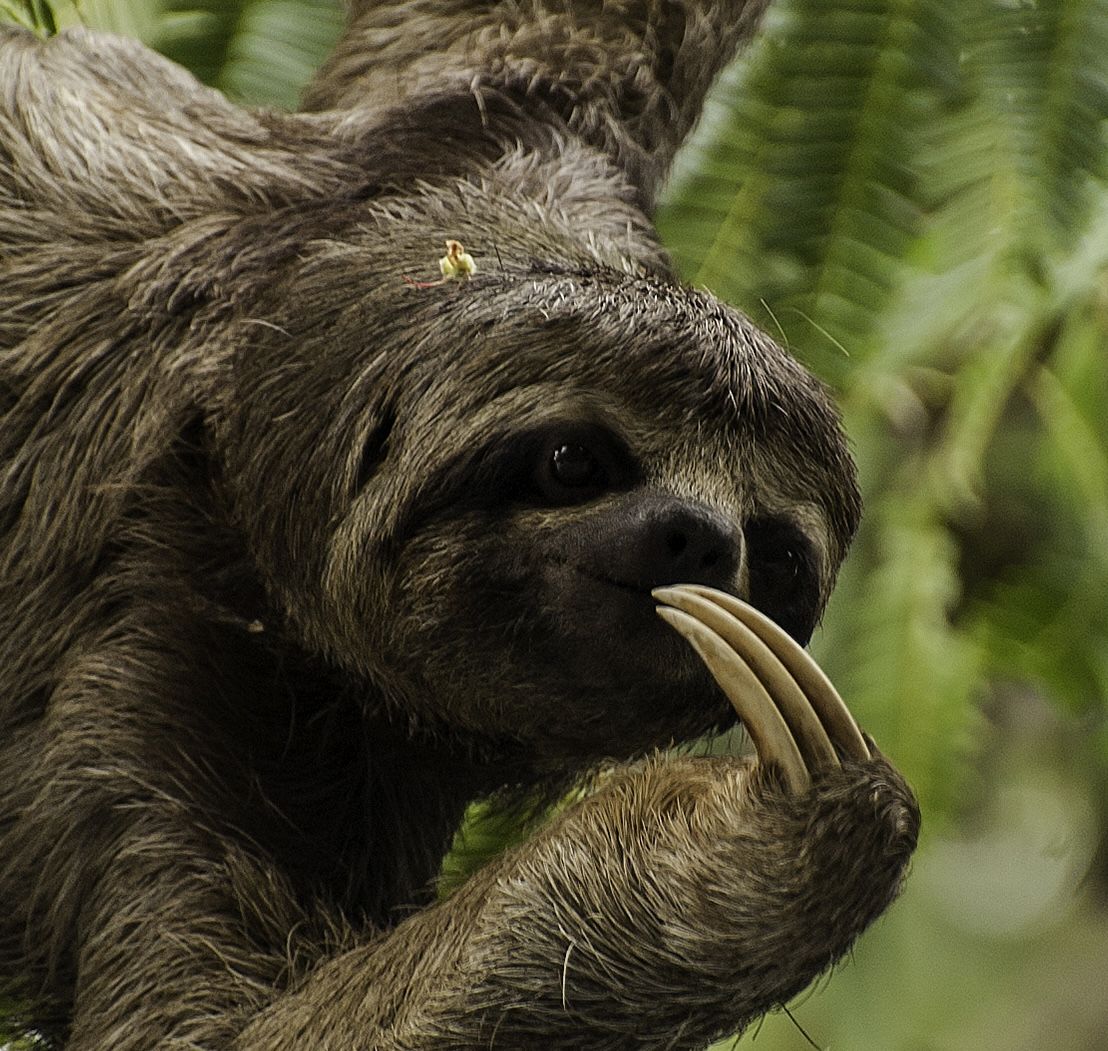
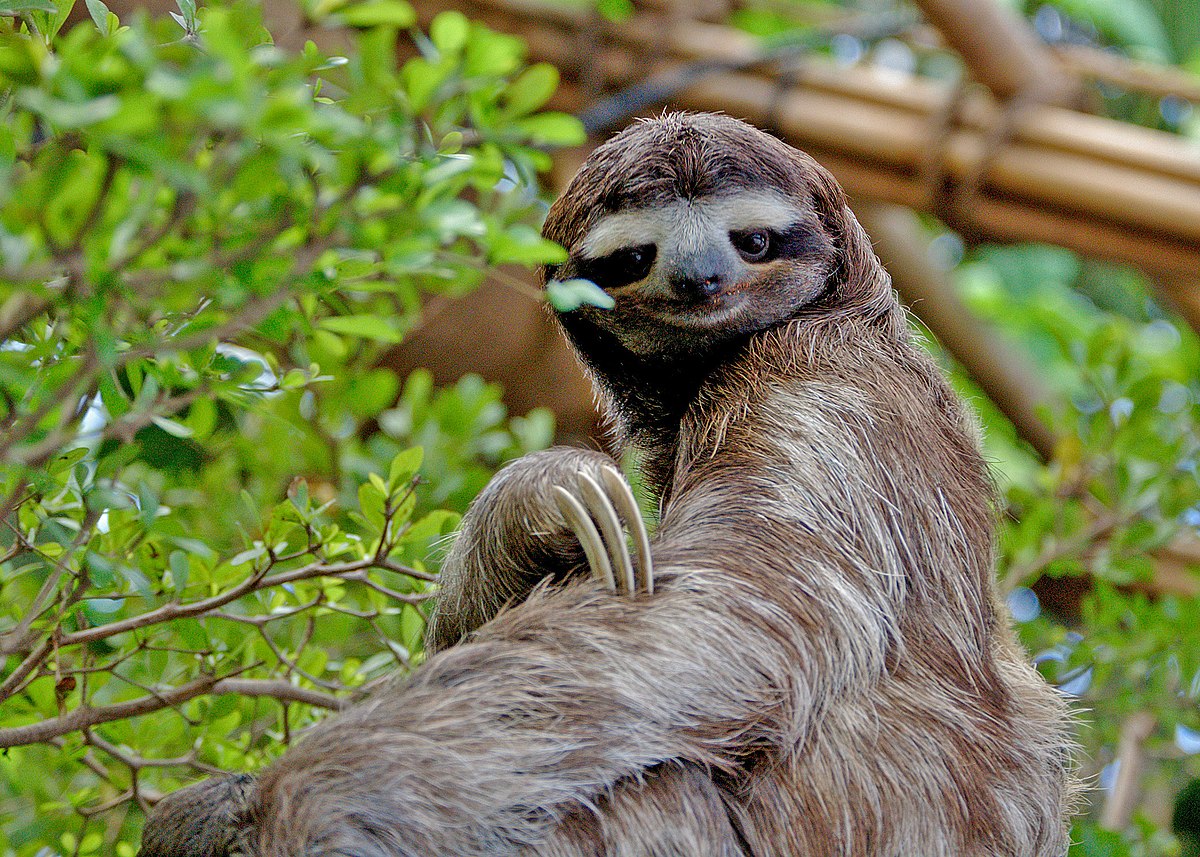
A three-toed sloth hanging upside down from a tree branch in the tropical rainforest.
Energy Conservation Strategy and a Life Without Haste
In the laws of nature where speed is often the key to survival, the sloth has evolved a completely different approach. They are the slowest mammals on Earth, but this slowness is not a disadvantage; it is a brilliant evolutionary strategy to thrive in resource-limited environments.
Anatomy and Classification
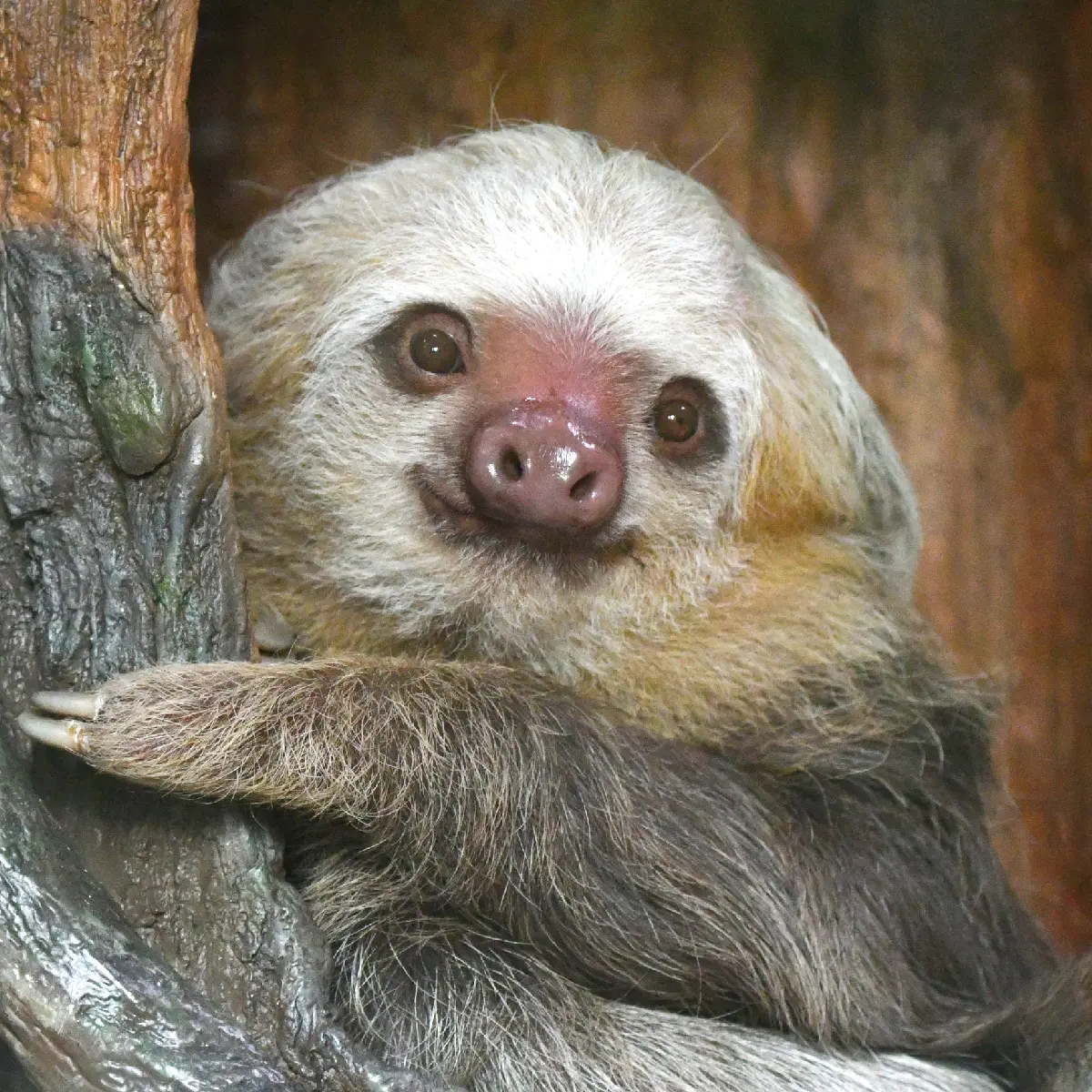
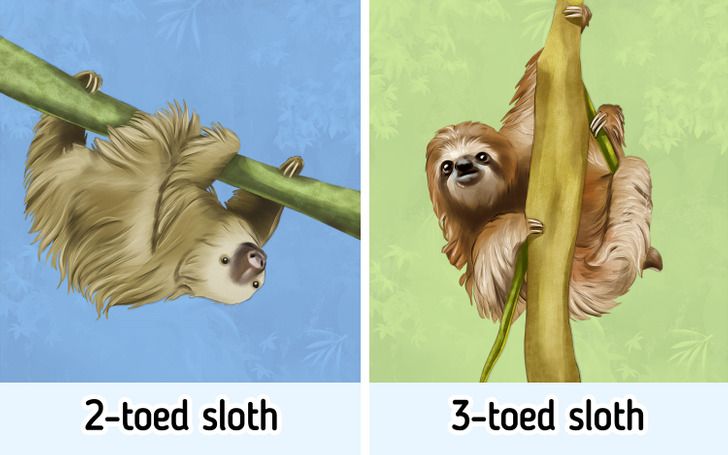
Sloths are divided into two main families: two-toed and three-toed sloths. While they appear similar, they belong to different genetic lineages. Two-toed sloths are larger and more nocturnal, while three-toed sloths are characterized by the dark patches around their eyes—making them look as if they are smiling—and are generally more active during the day.
Unique Metabolic Rates
The primary reason sloths move so slowly is tied to their diet and digestive system. They feed mainly on leaves, which are low in calories and difficult to break down. Consequently, sloths have evolved an incredibly slow metabolic rate, taking up to 30 days to digest a single meal in their complex, four-chambered stomach.
Camouflage and Symbiosis
A sloth's fur is home to a micro-ecosystem. Because they move with glacial speed, green algae often grow on their coats. This algae provides two major benefits: first, it offers excellent camouflage among the leaves, and second, it may serve as a supplemental nutrient source. Additionally, specialized insects like "Sloth Moths" live exclusively within their fur in a mutually beneficial relationship.
The Risky Toilet Habit
One of the most peculiar aspects of a sloth's life is its bathroom habit. They defecate only once a week. To do so, they must descend to the forest floor—a highly dangerous zone where they are vulnerable to predators like jaguars. Research indicates that nearly half of all sloth predations occur while they are on the ground for this weekly ritual.
Unexpected Aquatic Abilities
While they appear clumsy on land, sloths are surprisingly proficient swimmers. They can move through the water three times faster than they can crawl and can hold their breath for up to 40 minutes. This aquatic skill allows them to cross rivers in search of new territory or to evade land-based threats.
The sloth is a testament to the diversity of life. Its slowness is not a lack of ability, but an art of living efficiently and in harmony with nature. Understanding their lifestyle reminds us of the critical balance within our ecosystem that we must strive to preserve.
References
- Sloth Conservation Foundation (SloCo): Sloth Biology and Adaptations.
- National Geographic: Insight into the Metabolism of Sloths.
- The Sloth Institute: Comparison between Two-toed and Three-toed Species.
- Journal of Mammalogy: Studies on Sloth Symbiosis.
Advertisement
Photo Gallery