Birds of Paradise

yean rath
February 02, 2026 • 94 views
Advertisement
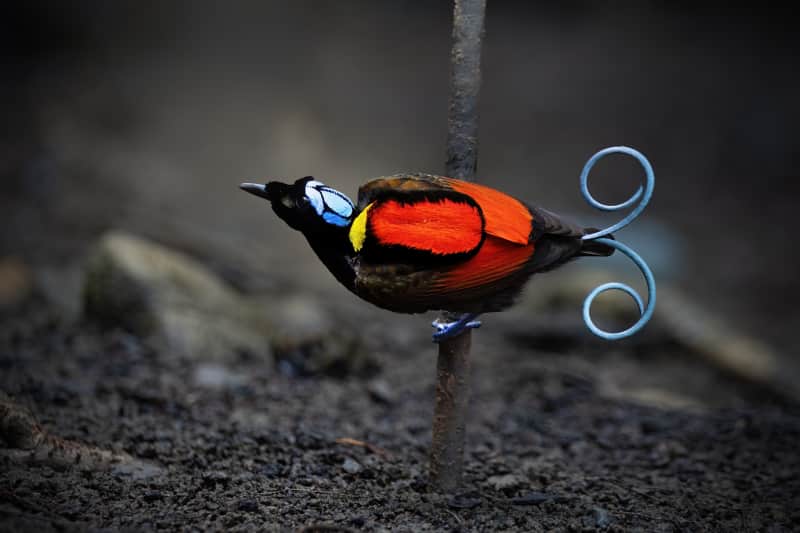
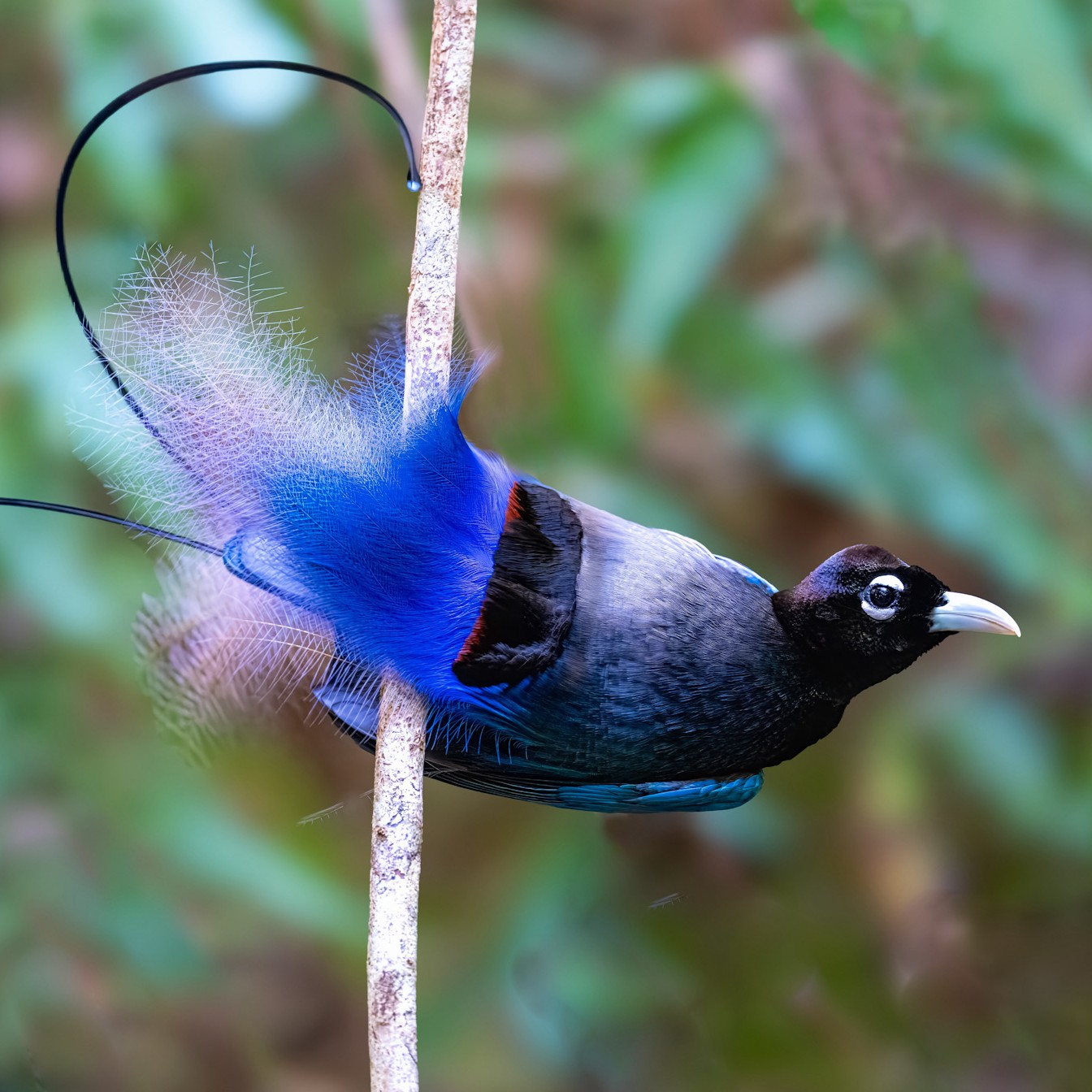
A high-angle shot of a Wilson's Bird-of-Paradise, highlighting its unique turquoise-blue "crown" with black cross-hatched patterns and vivid crimson back.
The Magnificent Beauty and Miraculous Dances of Nature
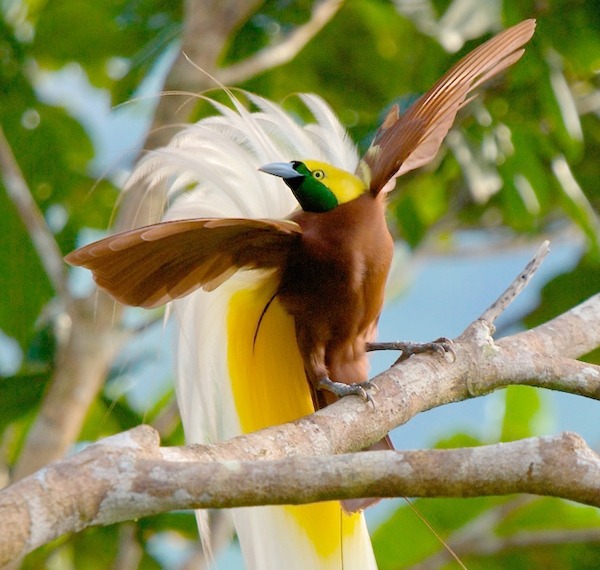
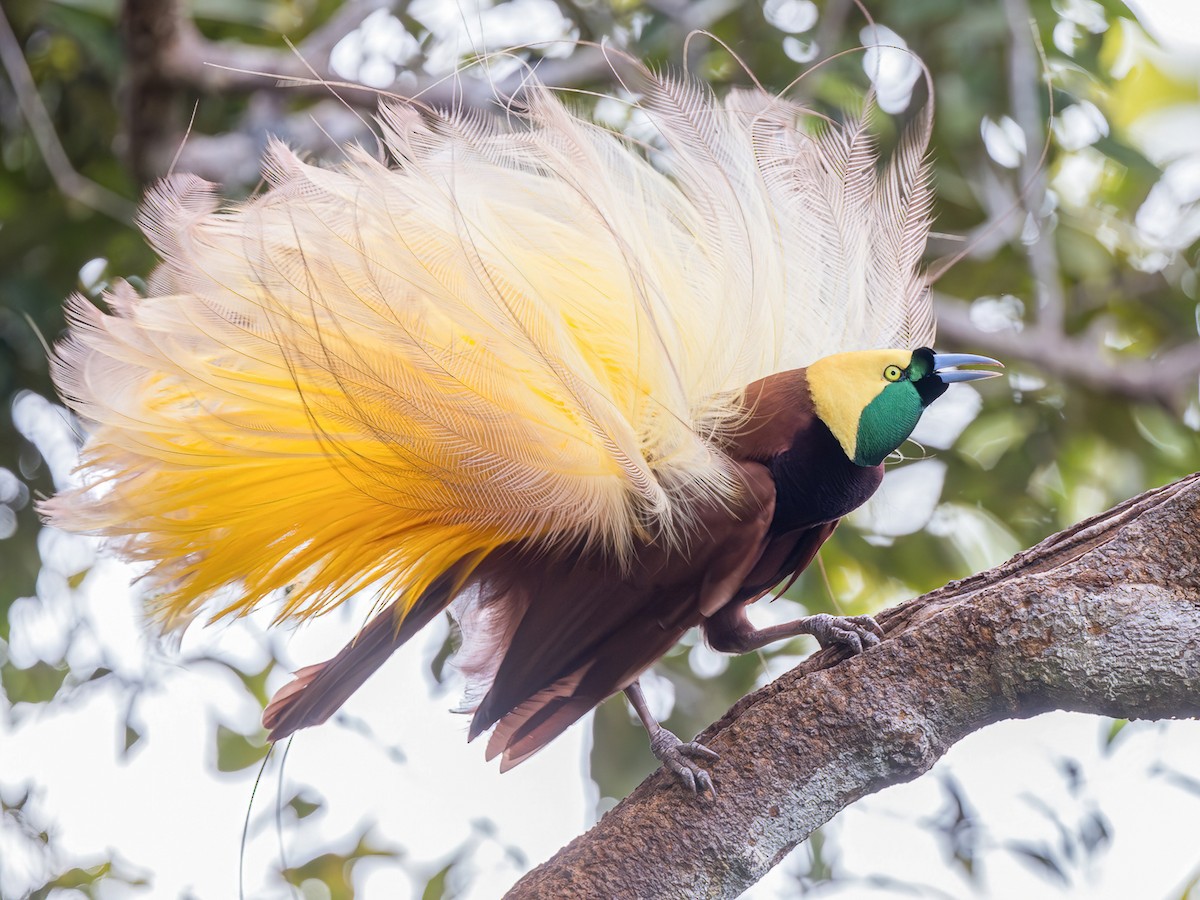
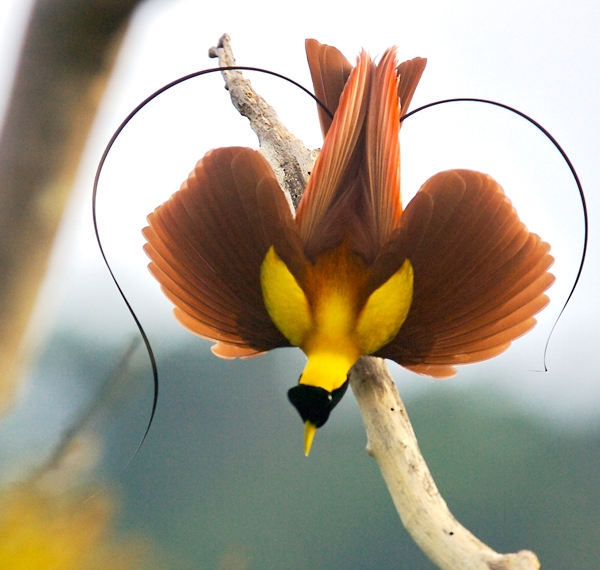
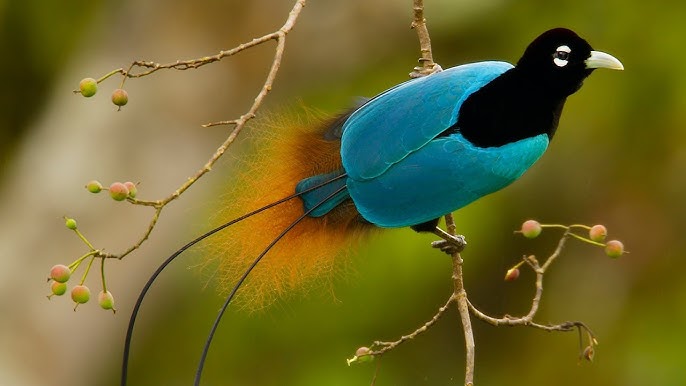
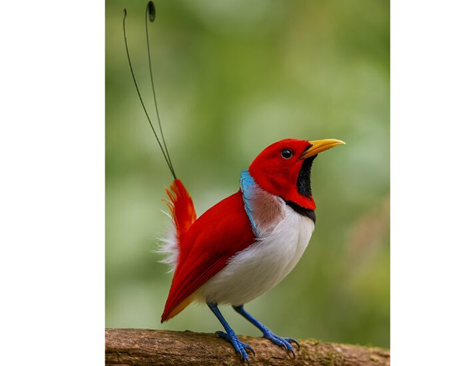
If there were a beauty pageant for all the birds on Earth, the gold medal would undoubtedly go to the Birds of Paradise (Paradisaeidae). Hidden in the deep tropical rainforests of New Guinea and its surrounding islands, these birds have evolved to a point where they look like creatures from another world or the masterpiece of a divine artist.
Origin and Diversity
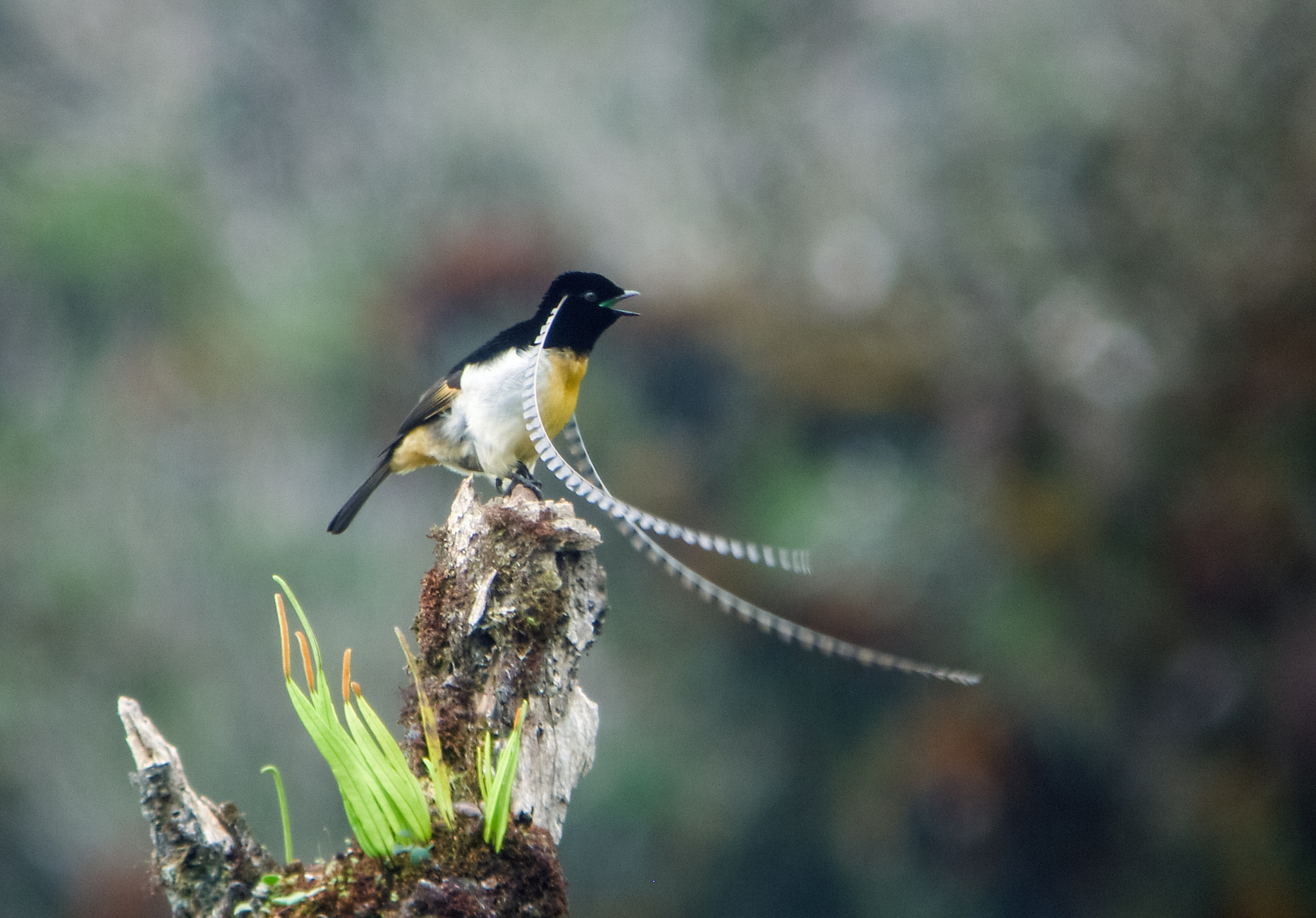
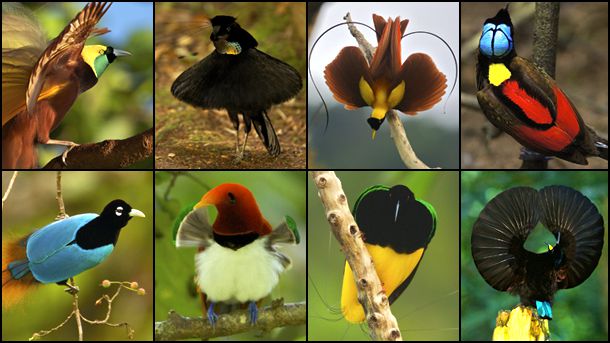
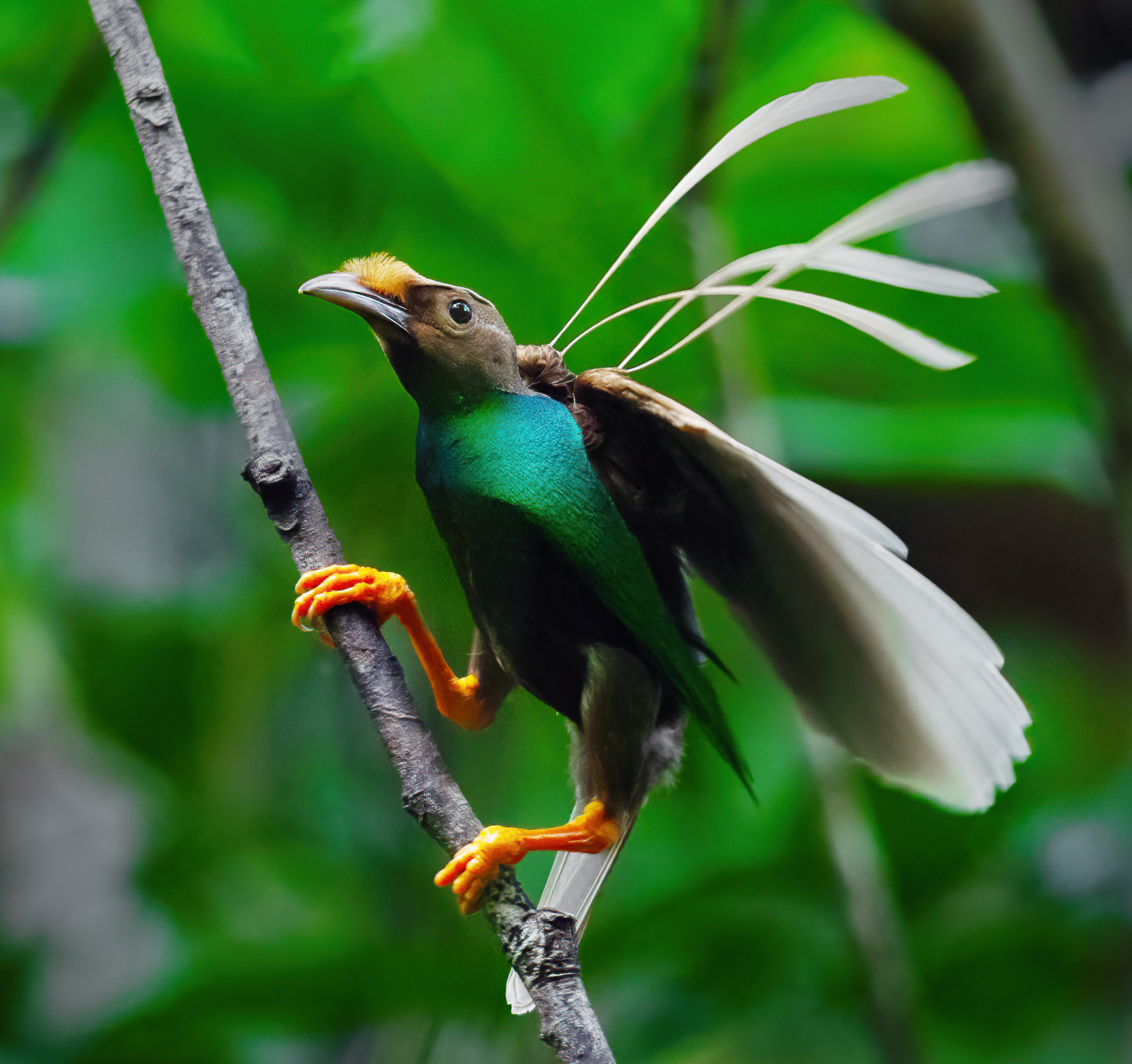
There are approximately 45 species of Birds of Paradise, mostly found on the island of New Guinea, eastern Indonesia, and parts of Australia. Belonging to the family Paradisaeidae, their most valued feature is their "plumage"—feathers that shimmer like a rainbow and take on surreal shapes like ribbons, wires, or even blooming flowers.
The Art of Courtship
The secret that has made these birds globally famous is their courtship dance. For Birds of Paradise, beauty is a male privilege. To attract females—who are often drab brown in color—the males must spend years perfecting complex and breathtaking performances.
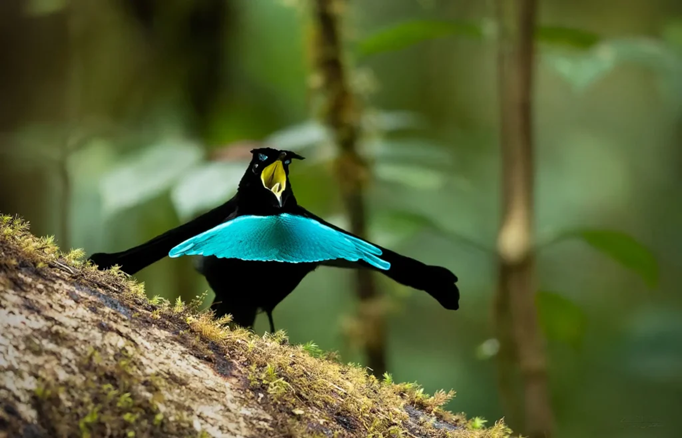
- Vogelkop Superb Bird-of-Paradise: This species can transform itself into a large black "disc" with glowing blue eyes, dancing rhythmically around the female.
- Wilson’s Bird-of-Paradise: Boasting a turquoise-blue cap and S-shaped tail feathers, it meticulously cleans its "stage" on the forest floor before starting its vibrant performance.
Evolution Without Predators
Why are they so beautiful? Scientists explain that this is due to New Guinea being a safe haven. With a lack of major predators, these birds didn't need to evolve for camouflage. Instead, their evolution focused entirely on "female choice" (sexual selection). The more beautiful and skilled the male is at dancing, the better his chances of reproducing.
Diet and Daily Life
Most Birds of Paradise are frugivores (fruit-eaters) and also feed on small insects. Their fruit-rich diet provides them with the high energy required for their exhausting courtship displays. Furthermore, they play a vital role in the ecosystem as seed dispersers, helping the rainforest regenerate.
Threats and Conservation
Despite their remote habitats, they face growing challenges:
- Habitat Loss: Deforestation for palm oil plantations and logging.
- Poaching: Historically, their feathers were highly sought after for European high fashion hats. Today, illegal wildlife trade remains a persistent threat.
Birds of Paradise are living proof that nature creates not just for survival, but for art. Witnessing their dance is a rare experience that reminds us to cherish and protect the natural heritage of our planet.
References
- Cornell Lab of Ornithology: Birds of Paradise Project.
- National Geographic: The Most Beautiful Birds in the World.
- Laman, T., & Scholes, E. (2012): Birds of Paradise: Revealing the World's Most Extraordinary Birds.
- IUCN Red List: Paradisaeidae Conservation Status.
Advertisement
Photo Gallery