The Electric Eel

yean rath
January 27, 2026 • 224 views
Advertisement

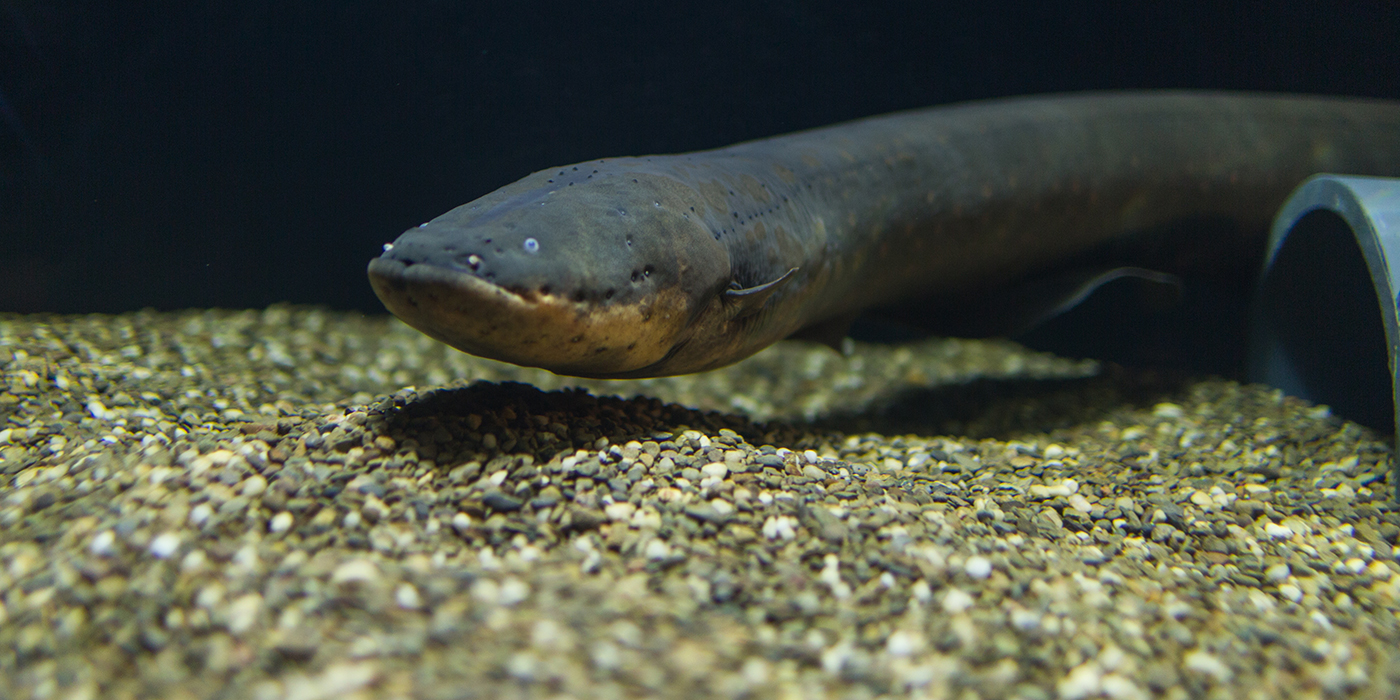
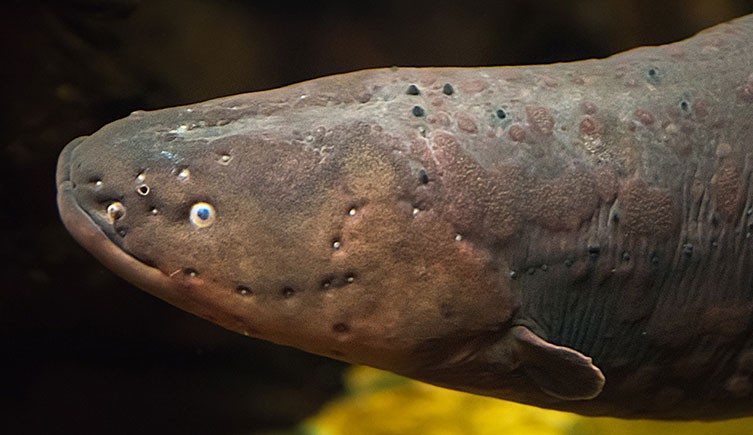
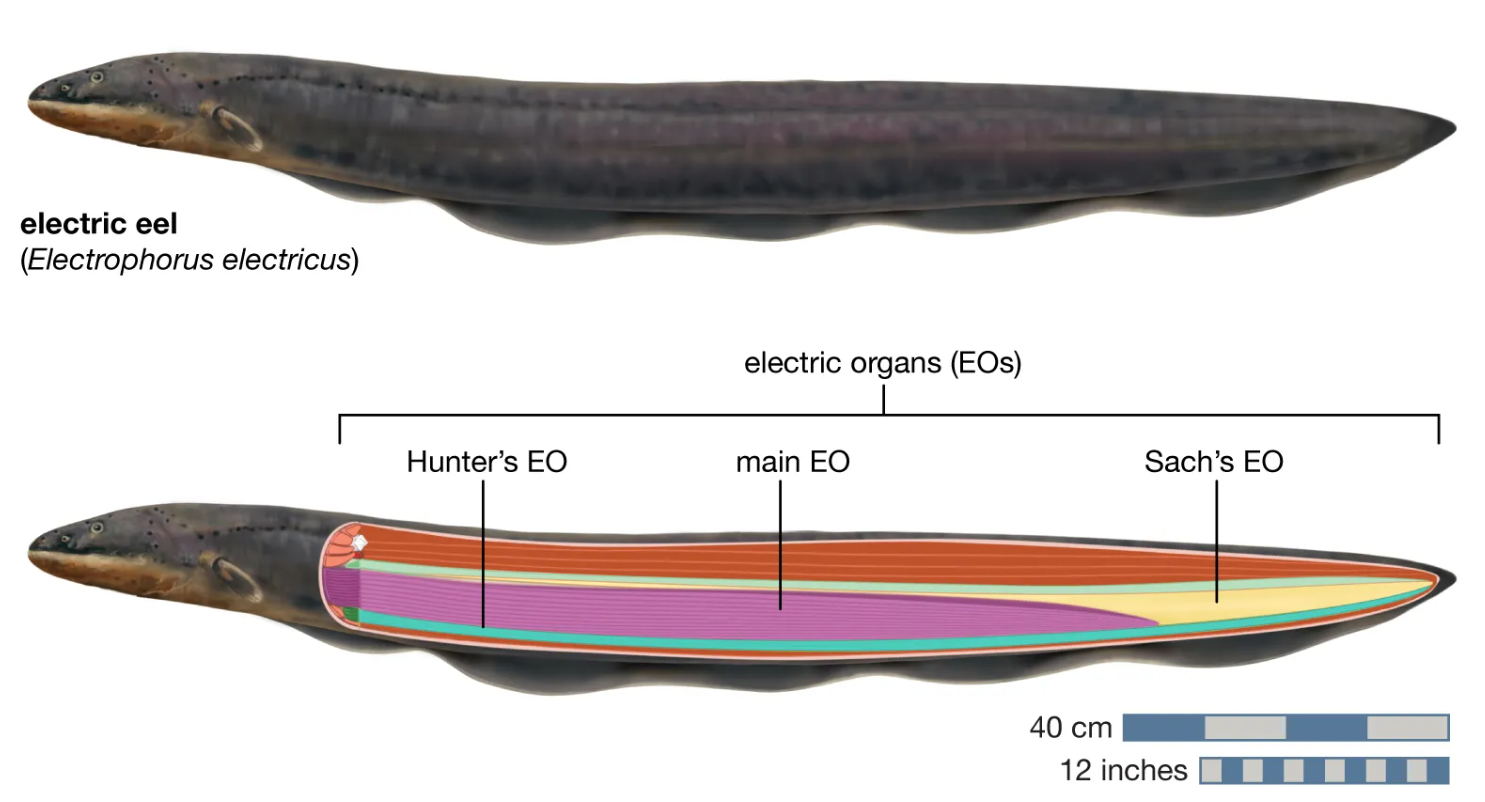
An Electric Eel swimming in murky Amazon waters, highlighting its long body and specialized skin.
The Living Battery and the Shocking Mysteries of the Underwater World
In the murky and still waters of the Amazon and Orinoco basins in South America, lives a creature that evokes both awe and fear. It is not just a fish that thrives in darkness; it is a "mobile power plant" capable of generating immense surges of electricity to stun its enemies. This is the Electric Eel (Electrophorus electricus).
A Deceptive Name: It’s Not an Eel!
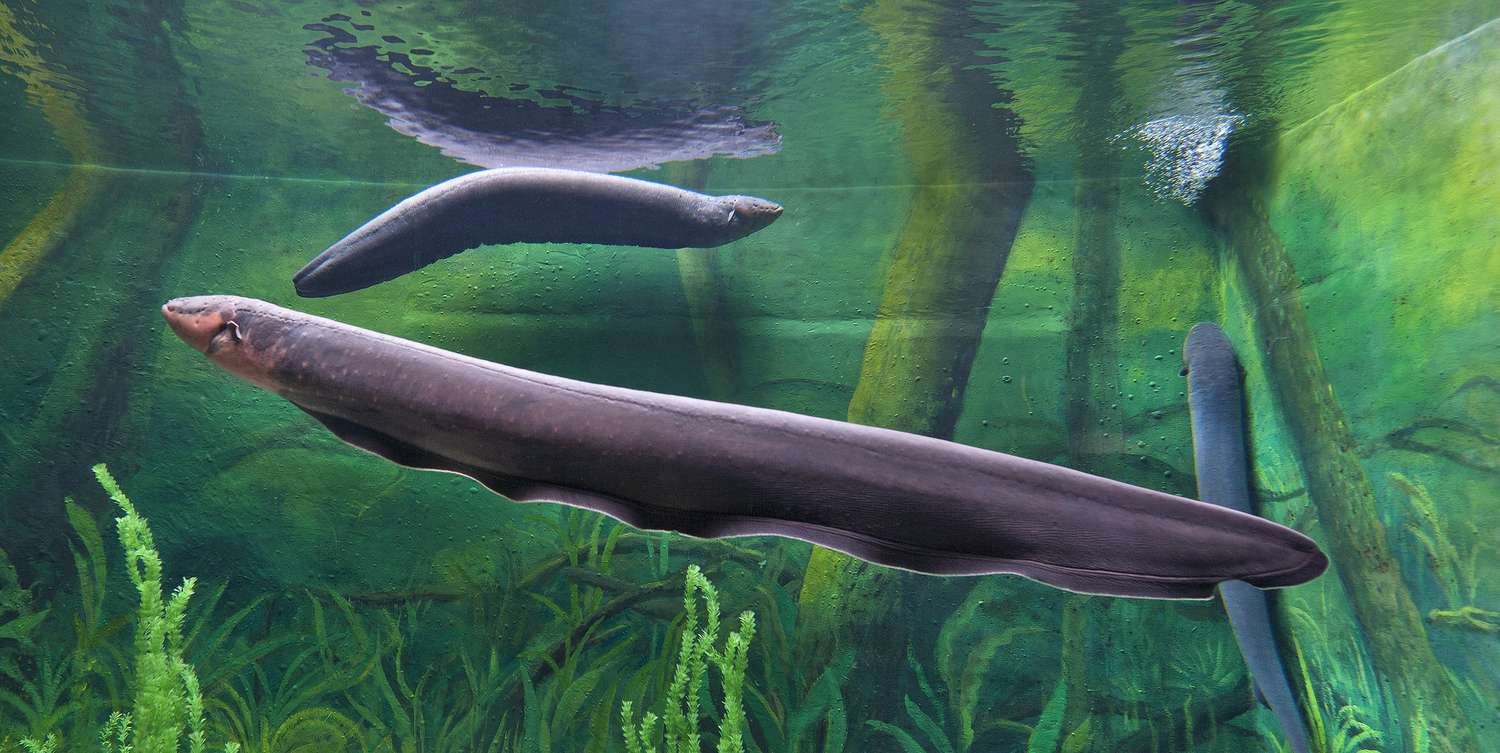
The first mystery that surprises many is that despite its name, the Electric Eel is not a "true eel" in biological terms. It is actually a member of the knife fish family (Gymnotidae), more closely related to catfish and carp than to common eels. It earned its name simply due to its elongated, serpentine body and its winding movement in the water.
The Mechanism of a Living Battery
How can a fish generate electricity? The Electric Eel's body contains thousands of specialized cells called electrocytes, stacked like batteries in a flashlight. Remarkably, 80% of its body is dedicated to electricity-generating organs.
It possesses three primary organs: the Main organ, the Hunter’s organ, and the Sachs’ organ. While the Sachs’ organ produces low-voltage pulses for navigation (electro-location), the Main and Hunter’s organs discharge the high-voltage shocks used for defense and hunting.
860 Volts: A Deadly Power
A mature Electric Eel can discharge up to 860 volts. To put that in perspective, that’s nearly four times the standard household outlet (220V). This shock is not only capable of knocking a human unconscious or causing cardiac arrest, but there are records of these creatures stunning caimans and even horses that wandered into their territory.
Intelligent Hunting Tactics
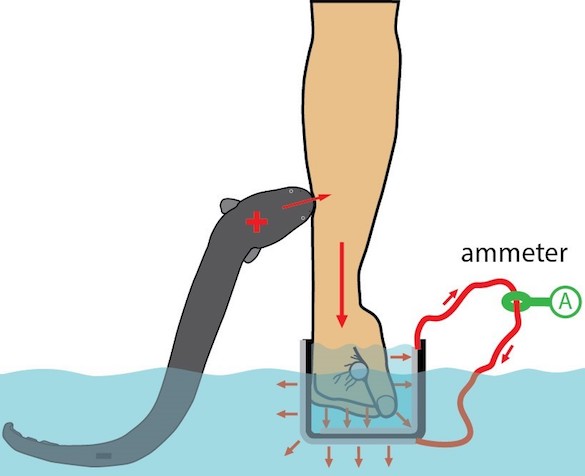
The Electric Eel is a predator that uses "electrical warfare." Since they have poor eyesight, they navigate using low-voltage pulses. Once they detect prey, they use a two-step attack: first, a short pulse to cause the prey’s muscles to twitch (revealing its exact location), followed by a massive discharge that paralyzes the prey instantly before the eel swallows it whole.
Why Doesn't It Shock Itself?
A common question is: why doesn't the eel shock itself? While scientists are still debating the specifics, the prevailing theory suggests that the eel's vital organs are insulated by fatty tissue and thick skin. Furthermore, its large body mass relative to its small prey means the current passing through its own heart is spread out and significantly less concentrated.
Air-Breathing Fish
Another fascinating secret is that the Electric Eel is an obligate air-breather. Since it lives in oxygen-poor waters, its gills are insufficient. It must surface every 10 minutes or so to gulp air, absorbing oxygen through specialized, highly vascularized tissues in its mouth. Surprisingly, if it cannot reach the surface, it will actually drown.
The Electric Eel is a biological marvel that showcases nature's incredible ability to harness energy. From its internal battery-like cells to its survival strategies in dark waters, it represents a perfect balance between power and evolution. Understanding this creature not only fosters an appreciation for nature's diversity but also inspires scientists to explore bio-inspired energy technologies for the future.
References
- National Geographic: Electric Eel Species Profile and High Voltage Secrets.
- Smithsonian Magazine: The Shocking Biology of the Electric Eel.
- Science News: New Species of Electric Eel Can Deliver Record-Breaking Shock (860 Volts).
- Nature Communications: Genomic insights into the evolution of electric organs.
- Catania, K. C. (2014): The shocking predatory strike of the electric eel. Science.
Advertisement
Photo Gallery