The Fireflies

yean rath
January 26, 2026 • 178 views
Advertisement
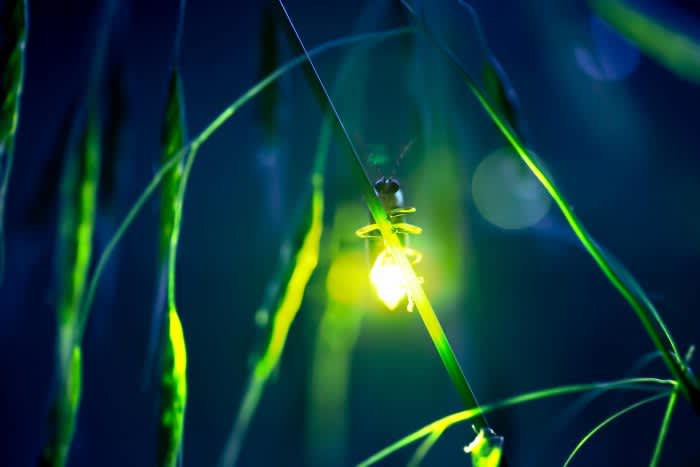
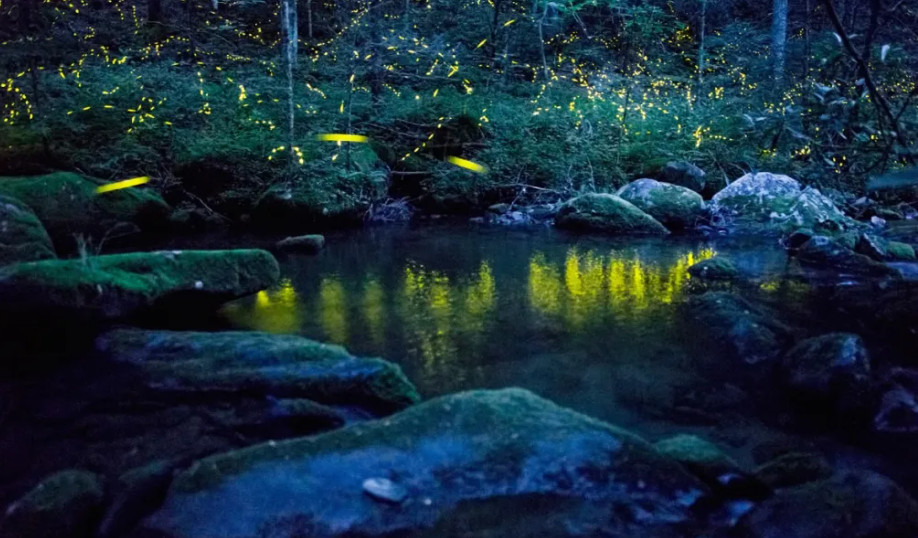
A magical night scene in a forest with hundreds of fireflies glowing yellow-green amongst the trees and grass.
The Dance of Light and a Fading Mystery of the Earth
Do you remember your childhood? Running through the rice fields or standing by the riverbank on a dark night, only to be greeted by tiny, flickering lights floating like fairies? Those were Fireflies. They are nature’s "living lanterns," created to adorn the quiet night. But behind this mesmerizing beauty lies complex science and a somber message about our environment.
Not Flies, But Beetles
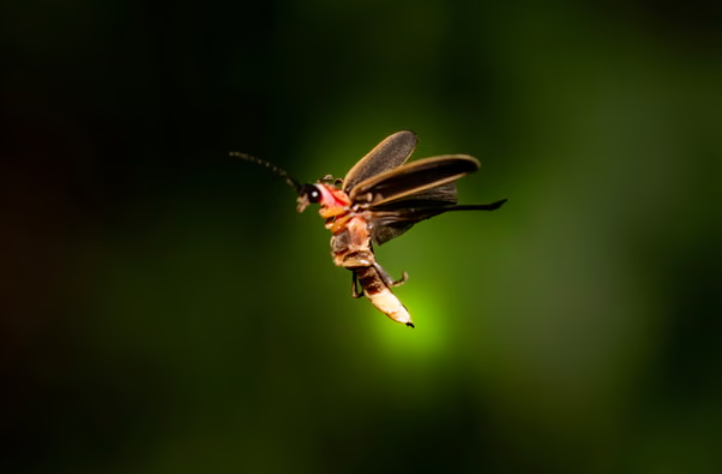
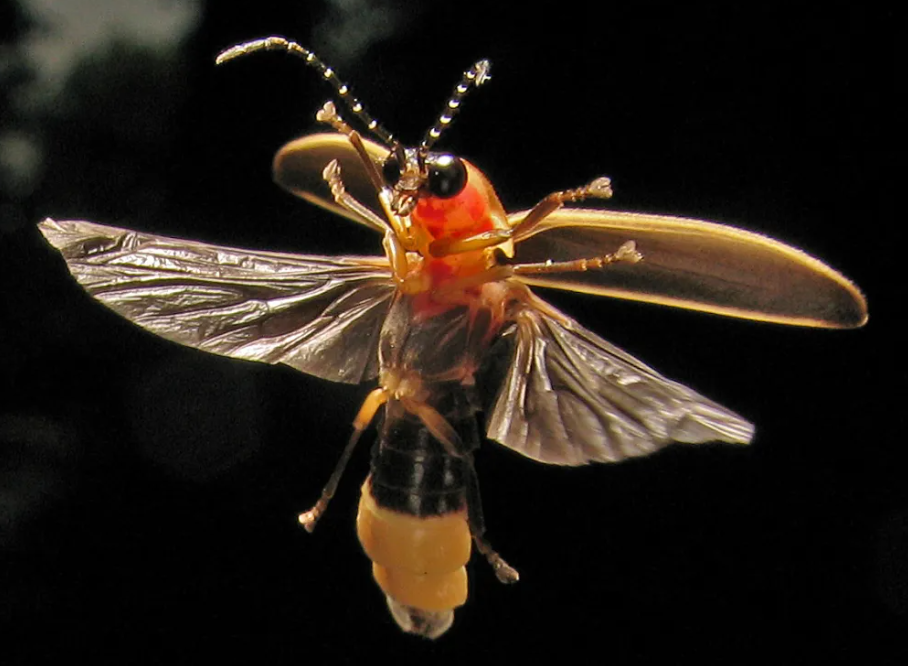
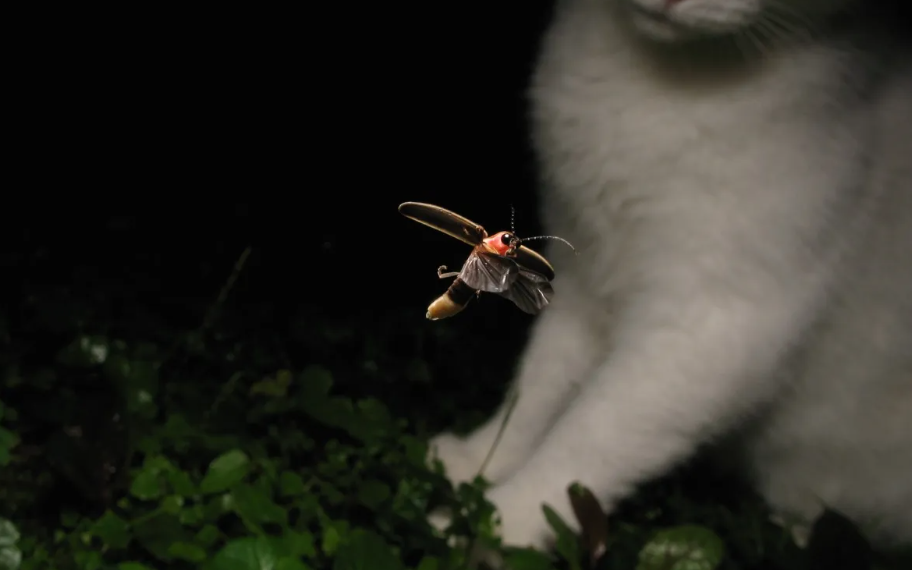
Despite the name "Firefly," they are not flies at all. They belong to the Beetle family, scientifically known as Lampyridae (from the Greek word "to shine").
There are over 2,000 species of fireflies worldwide. Most of them spend the majority of their lives—up to two years—as larvae (glow-worms) living in the soil or under leaf litter. They only transform into the winged adults we see for a fleeting 2-3 weeks, with the sole purpose of mating.
The Secret of Bioluminescence: Cold Light
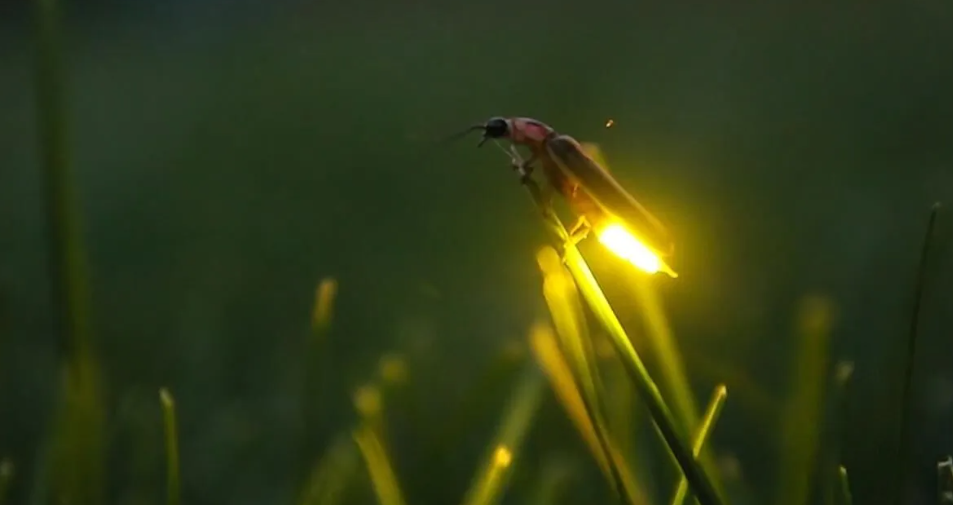
How do fireflies produce light without burning up? If you touch a standard lightbulb, it feels hot because about 90% of the energy is wasted as heat. However, the firefly's glow is "Cold Light," which is nearly 100% efficient. Almost all the energy is converted directly into light, with zero heat loss.
The Chemical Recipe: This bioluminescence is produced by a chemical reaction in their lower abdomen involving a substance called Luciferin (light-bringer) and an enzyme called Luciferase, all mixed with oxygen.
The Language of Love
Why do they glow? The answer is simple: To find love. The flashing lights you see are essentially love letters. Males fly around broadcasting a specific flash pattern (e.g., flash for one second, pause for two). The females, waiting patiently on leaves or in the grass, watch the show. If a female likes a specific male's pattern, she flashes back a response.
Each species has its own unique "Morse code" to avoid confusion. However, nature has a dark side. A genus of female fireflies called Photuris is known as the "Femme Fatale." She mimics the flash patterns of other species to lure unsuspecting males in... only to eat them!
Importance to Cambodia's Environment
In Cambodia, especially along riverbanks lined with mangroves or large trees near water (such as in Kampot, Koh Kong, or Kratie), fireflies can still be spotted. Their presence is a bio-indicator of clean water and soil. Fireflies require moist environments free from toxic pesticides. Seeing a swarm of fireflies is nature’s way of saying, "This ecosystem is healthy."
Why Are They Disappearing?
Sadly, firefly populations are declining globally due to three main threats:
- Habitat Loss: Filling in wetlands, cutting down mangroves, and urban development destroy the specific environments they need to breed.
- Pesticides: Since they spend most of their lives as larvae in the soil, agricultural chemicals and lawn pesticides kill them before they ever grow wings.
- Light Pollution: This is a silent killer. Artificial lights from streetlamps, houses, and cities wash out the night sky. If it's too bright, males cannot see the females' faint flashes. They literally cannot find each other to mate, leading to a collapse in population.
Fireflies are not just insects; they are nature's magic, connecting us to tranquility and wonder. Losing them would be like losing the stars on earth. To help them, we can reduce pesticide use and, most importantly, "turn off unnecessary lights," giving them back the darkness they need to speak the language of love.
References
- Lewis, S. M., et al. (2020). A Global Perspective on Firefly Extinction Threats. BioScience.
- National Geographic. "Firefly (Lightning Bug) Facts."
- Tufts University. "Firefly Watch Project."
- Scientific American. "How and Why Do Fireflies Light Up?"
Advertisement
Photo Gallery