The Giant Ibis

yean rath
January 10, 2026 • 262 views
Advertisement

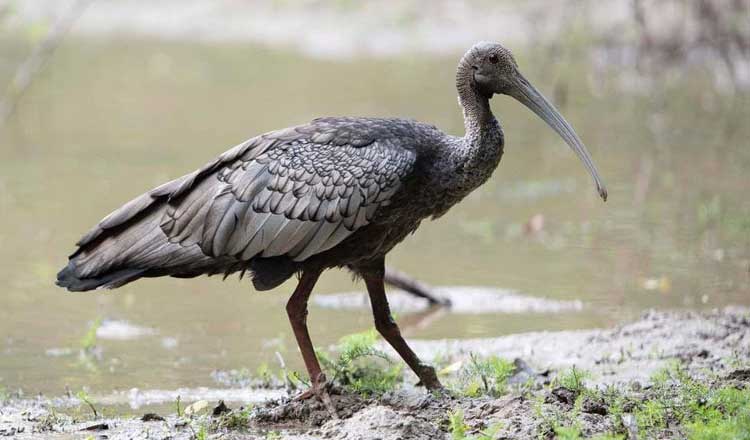
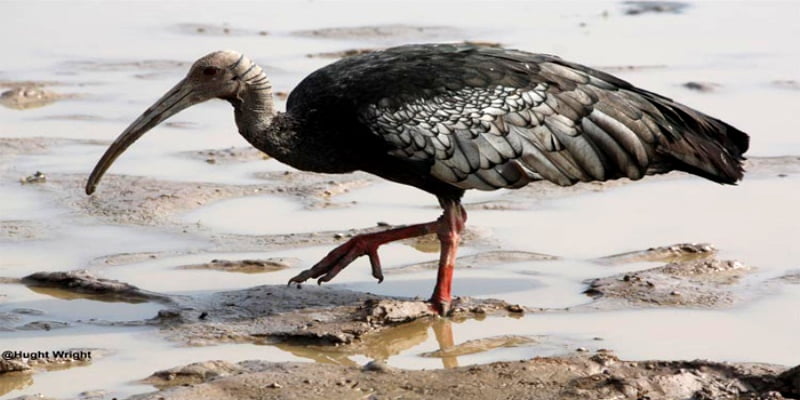
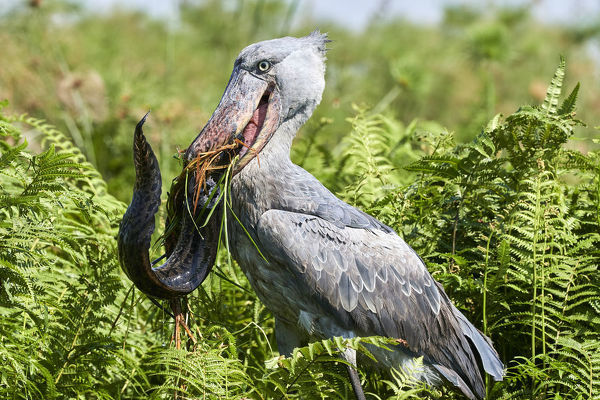
A Giant Ibis standing gracefully in a northern Cambodian wetland, the national bird of Cambodia.
The Soul of the Dry Forest and the Symbol of Cambodian Nature.
The Giant Ibis: The Soul of the Dry Forest and the Symbol of Cambodian Nature
In the avian world, few birds embody mystery, majesty, and tragedy as profoundly as the Giant Ibis (Thaumatibis gigantea). For the people of Cambodia, the Giant Ibis is not just another bird; it is the National Bird, a living symbol of the country’s rich biodiversity and a priceless natural heritage.
However, behind its majestic name, the Giant Ibis faces a grim reality, classified as Critically Endangered—hanging on the very edge of extinction.
The Giant Among Its Kin
The Giant Ibis is the largest member of the ibis family in the world.
- Size: It stands nearly 1 meter tall and weighs around 4 kilograms.
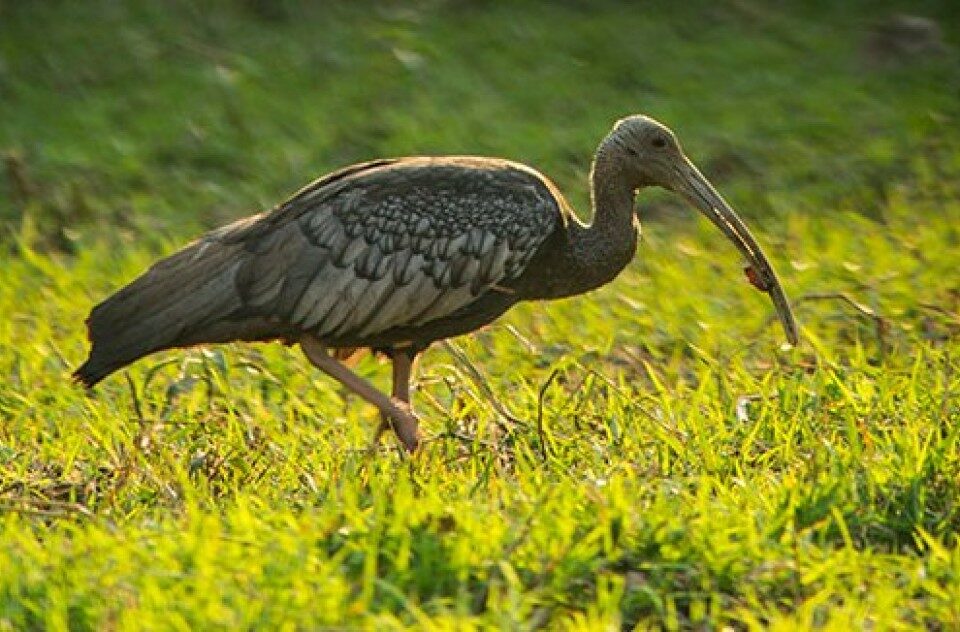
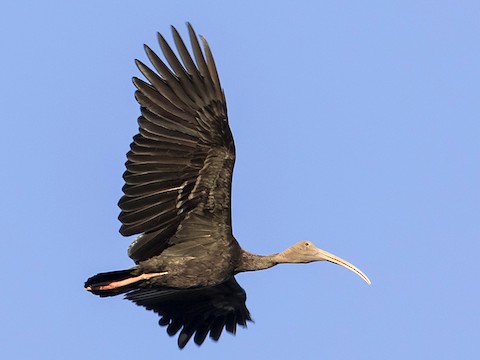
- Plumage: Its feathers are a muted, dark greyish-brown with a distinct metallic sheen on the wings, providing perfect camouflage within the dry forests.
- Head and Bill: It has a distinctive bald, greyish head and a long, decurved bill—a precision tool designed for probing the mud for prey.
The Last Stronghold on Earth
Historically, the Giant Ibis roamed across much of mainland Southeast Asia. Today, the global population has plummeted to an estimated 200 to 300 individuals. What makes Cambodia truly special is that 99% of this global population resides within its borders, particularly in the protected landscapes of Preah Vihear, Stung Treng, and Mondulkiri provinces.
They thrive in the "Trapeangs" (seasonal waterholes) of the deciduous dipterocarp forests, which serve as vital feeding grounds where they hunt for frogs, earthworms, snails, crabs, and small insects.
Why Is It Facing Extinction?
The fate of the Giant Ibis hangs by a thread due to several critical threats:
- Habitat Loss: The conversion of dry forests into agricultural concessions and infrastructure projects destroys the waterholes they rely on.
- Human Disturbance: They are incredibly shy birds. Human presence near nesting sites or feeding trapeangs can cause them to abandon their eggs or flee their territories.
- Poaching and Predation: Despite strict protection, illegal hunting and the raiding of nests by both humans and natural predators remain constant threats.
Conservation Efforts
The Cambodian government, the Ministry of Environment, and organizations like WCS Cambodia and Rising Phoenix are working tirelessly to save the species.
- Bird Nest Protection Program: This innovative project pays local community members to guard nests until the chicks successfully fledge, turning former hunters into conservationists.
- Ecotourism for Conservation: Tmatboey in Preah Vihear has become a world-renowned model for bird-watching tourism, providing income to locals in exchange for their commitment to protecting the Ibis and its habitat.
Losing the Giant Ibis would be more than a biological loss; it would be a loss of Cambodia's natural soul and identity. As citizens of the world, protecting this species, refusing wildlife meat, and supporting conservation efforts are vital steps to ensure that the haunting, bugle-like call of the Giant Ibis continues to echo through our forests for generations to come.
References
- IUCN Red List of Threatened Species: Thaumatibis gigantea (Giant Ibis).
- WCS Cambodia (Wildlife Conservation Society): Giant Ibis Conservation Project Profile.
- BirdLife International: Species Factsheet - Giant Ibis.
- Ministry of Environment, Cambodia: National Biodiversity Strategy and Action Plan.
- Rising Phoenix: Conservation reports on the Western Siem Pang Wildlife Sanctuary.
Advertisement
Photo Gallery