The Panda

yean rath
January 30, 2026 • 169 views
Advertisement

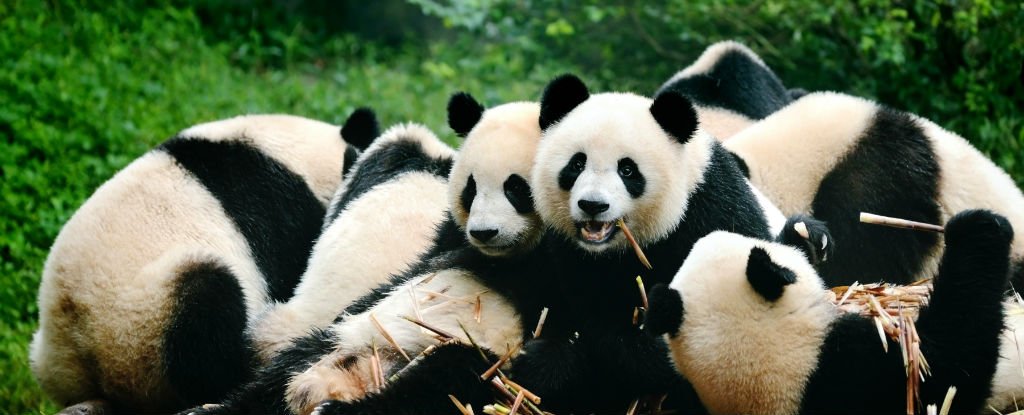
A Giant Panda sitting and eating bamboo in a lush green forest.
The Black-and-White Ambassador and Nature's Global Heritage
In the animal kingdom, few creatures have captured the world's heart as effortlessly as the Giant Panda (Ailuropoda melanoleuca). With its round, fluffy body, distinctive black eye patches, and gentle demeanor, the panda has become a global symbol of peace and conservation. However, behind this adorable exterior lies a fascinating story of evolutionary survival.
The Vegetarian Bear
Because they belong to the bear family, pandas are biologically carnivores, yet 99% of their diet consists of bamboo. This is one of nature’s strangest evolutionary turns. To compensate for bamboo's low nutritional value, a giant panda must consume between 12 to 38 kilograms of bamboo every single day.
The Sixth "Thumb"
To handle bamboo efficiently, pandas have developed what is often called a "sixth thumb." It is not actually a finger, but an enlarged wrist bone (sesamoid bone) that functions like an opposable thumb, allowing them to grasp, peel, and eat bamboo with incredible precision.
The Misty Mountains of China
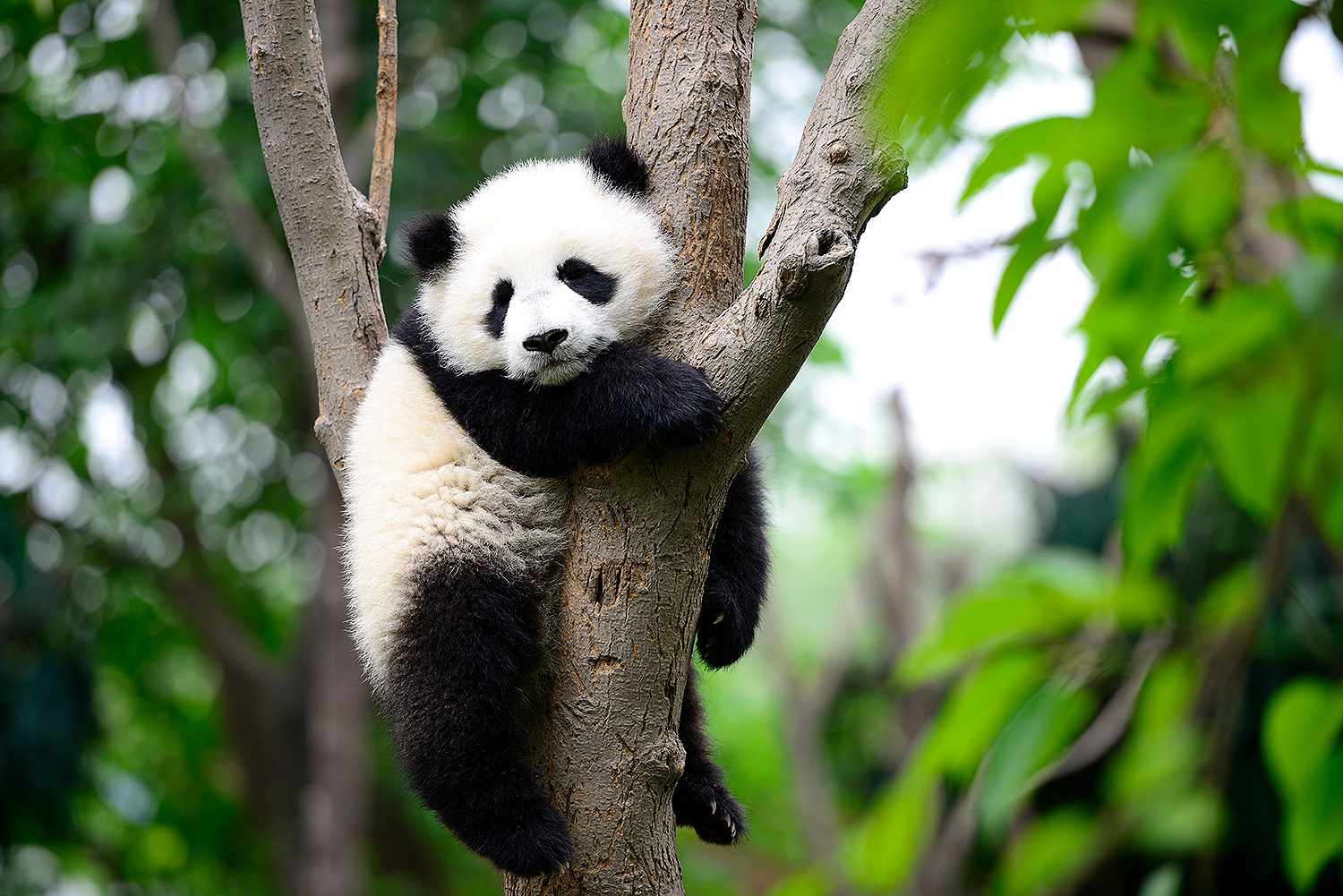
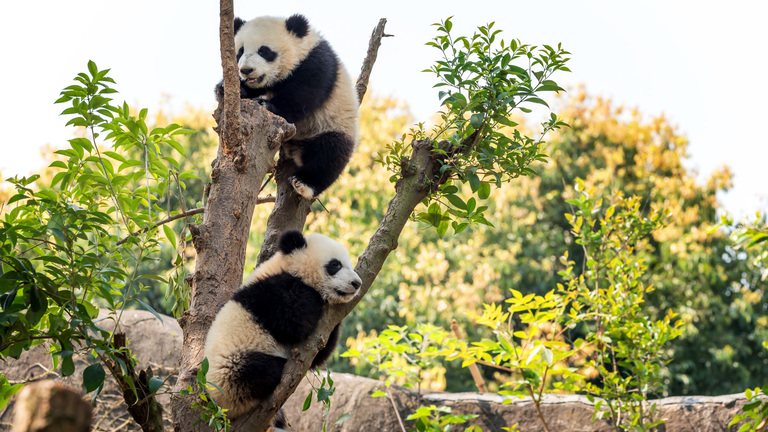
Giant pandas are native only to the high, misty mountain ranges of central China, primarily in Sichuan Province. They thrive in cool, damp bamboo forests. Today, the Chinese government has established numerous nature reserves and national parks to ensure these "national treasures" have a protected sanctuary.
The Challenge of Reproduction
One reason pandas became rare is their complex reproductive cycle. Female pandas are fertile for only 2 to 3 days per year in the spring. Furthermore, newborn pandas are incredibly tiny—about the size of a stick of butter, weighing only 100 grams. This makes the survival of cubs in the wild a difficult task.
A Conservation Success Story
There is great news to share! For years, pandas were on the brink of extinction. However, following decades of reforestation and breeding programs, the IUCN upgraded their status from "Endangered" to "Vulnerable" in 2016. Wild panda populations have now increased to nearly 2,000 individuals.
Panda Diplomacy
Pandas are often used as symbols of friendship between China and other nations, a practice known as "Panda Diplomacy." China loans these beloved bears to international zoos as a gesture of cooperation and to facilitate collaborative conservation research.
The Giant Panda is living proof that humanity can reverse the fate of a species if there is a collective will. From the brink of disappearance to a steady recovery, pandas teach us about hope and the vital importance of living in harmony with our natural world.
References
- WWF (World Wildlife Fund): Giant Panda - Overview and Conservation.
- IUCN Red List: Ailuropoda melanoleuca - Species status.
- Smithsonian's National Zoo: Giant Panda Facts and Biology.
- National Geographic: How Giant Pandas were saved from extinction.
- Sichuan Giant Panda Sanctuaries (UNESCO World Heritage Site).
Advertisement
Photo Gallery