The Great White Shark

yean rath
January 28, 2026 • 142 views
Advertisement

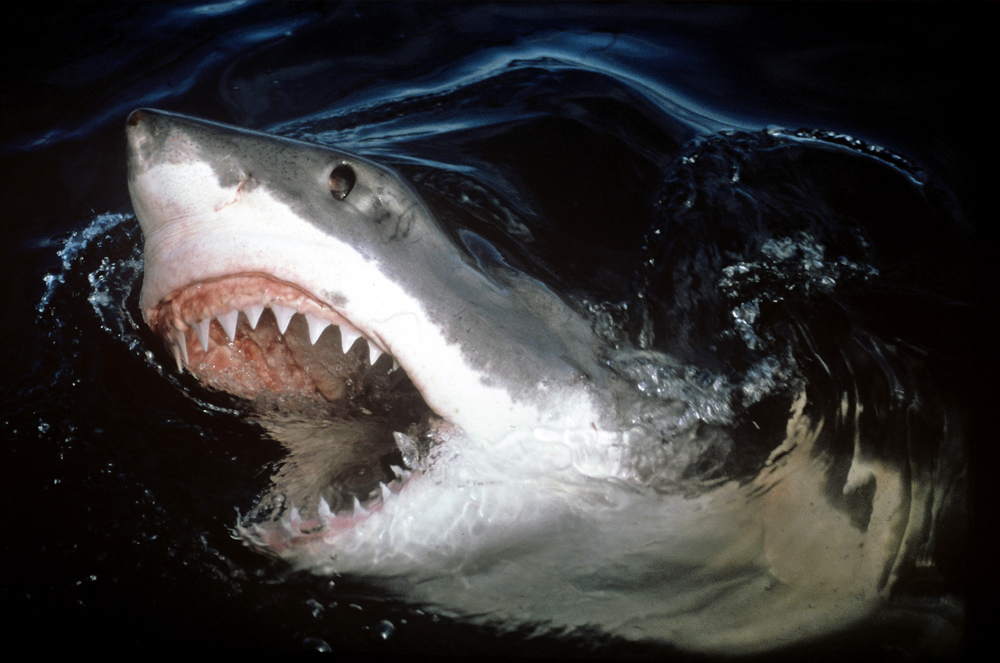
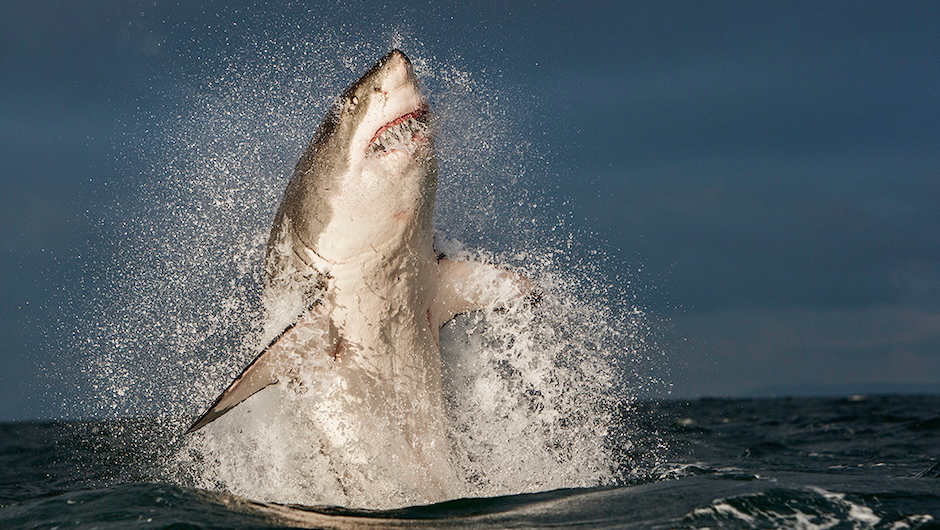
A Great White Shark breaching the ocean surface with its mouth open, showcasing its powerful jaws.
The Mysterious Apex Predator and the Wonder of the Ocean
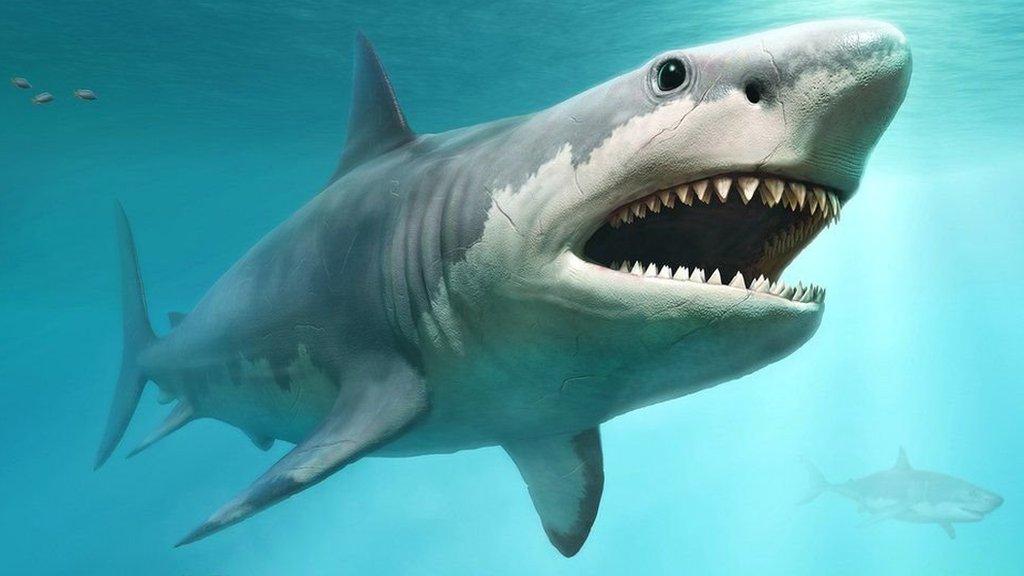
Within the vast, blue depths of the world's oceans, dwells a creature that inspires both terror and awe: the Great White Shark (Carcharodon carcharias). Known as the ultimate apex predator, it sits at the very top of the marine food chain. However, beyond the Hollywood depictions of a mindless killing machine, the Great White is a biologically complex animal, essential for the balance of our marine ecosystems.
Exceptional Biology and Appearance
Great Whites are partially warm-blooded (endothermic), unlike most fish. This trait allows them to inhabit cold waters and ensures their muscles react with lightning speed.
- Size: Adults typically grow to between 4.5 and 6 meters, weighing up to 2 tons or more.
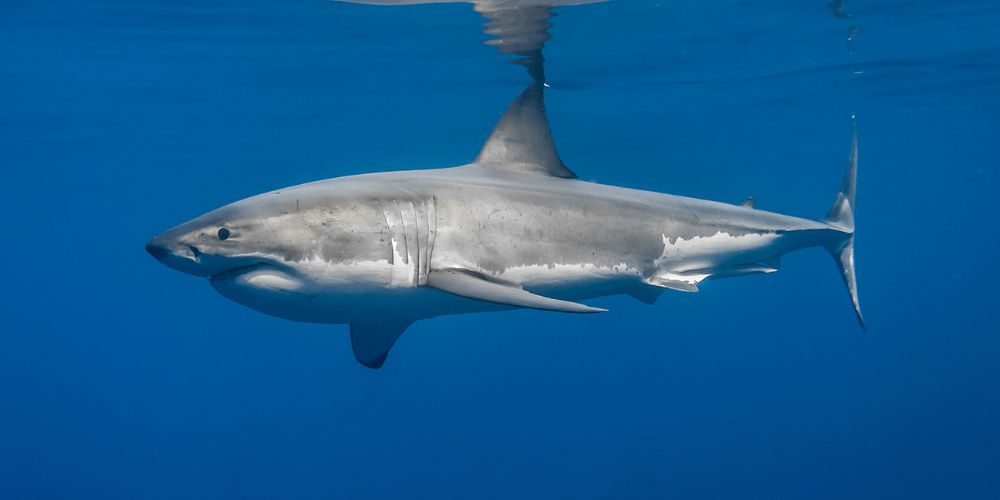
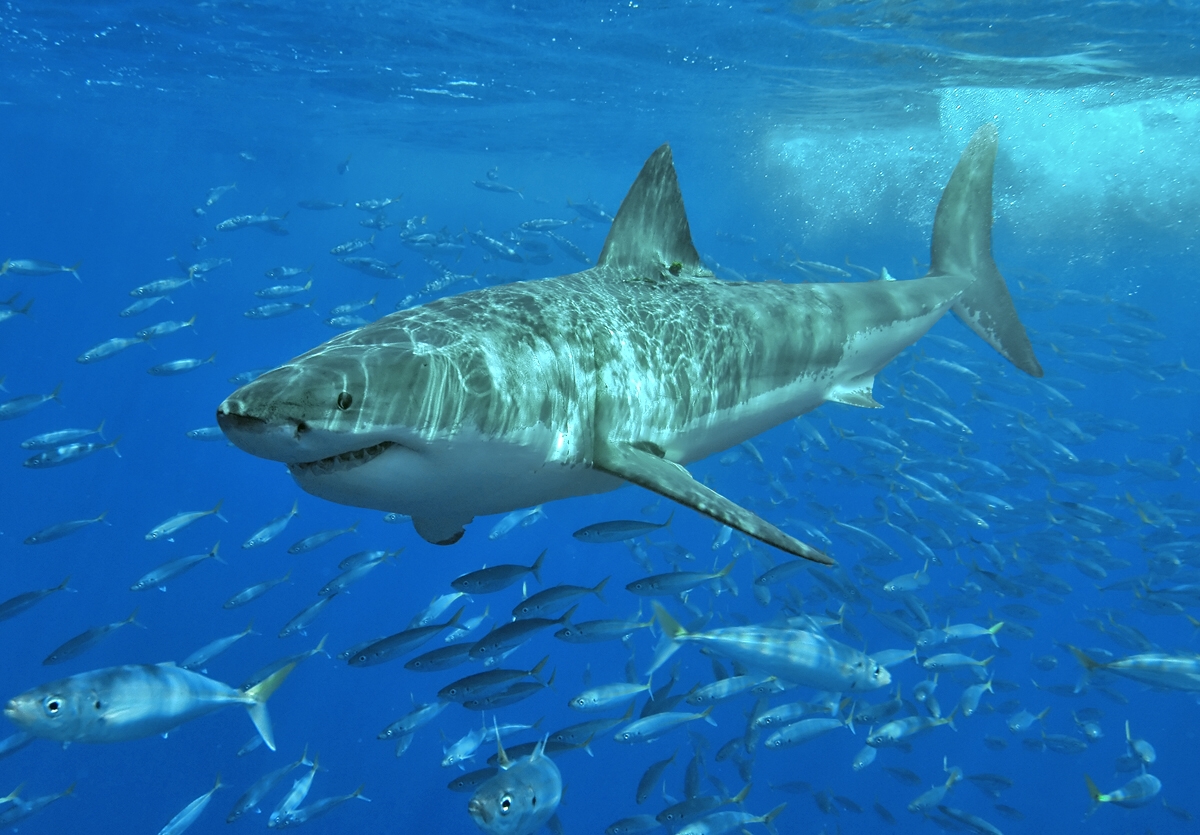
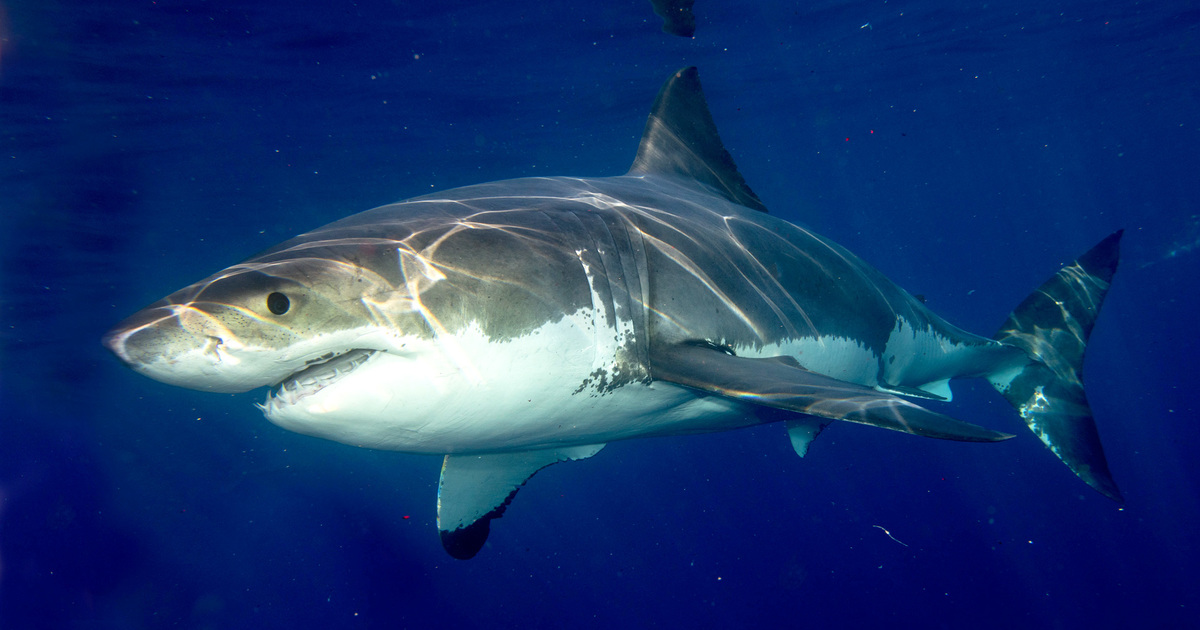
- Countershading: They aren't entirely white. Their dark grey backs blend with the ocean floor from above, while their white underbellies blend with the sunlight from below—a perfect camouflage known as countershading.
Deadly Weapons and Sixth Sense
Equipped with nature’s most refined weaponry, their jaws hold about 300 serrated teeth that are constantly replaced throughout their lives. Even more impressive is their "sixth sense." Through tiny pores around their snout called the Ampullae of Lorenzini, they can detect the minute electromagnetic fields generated by the heartbeat or muscle contractions of their prey, even if it's hidden beneath the sand.
Hunting Tactics: The Silent Strike
Great Whites are master strategists. They often launch an ambush from below, swimming at speeds up to 40 km/h, a force so powerful that it can propel the shark entirely out of the water—a behavior known as breaching. Their primary diet consists of sea lions, seals, and large fish.
Debunking the "Man-Eater" Myth
The portrayal of Great Whites as human-hunting monsters is a massive misconception. Humans are not on their menu; we simply don't provide enough high-fat content to satisfy their energy needs. Most shark bites are cases of "mistaken identity," where a shark confuses a swimmer or surfer for a seal.
Threats and Conservation
Today, Great Whites are classified as Vulnerable. Their greatest threat is humans, primarily through overfishing for fins and accidental entanglement in commercial fishing nets. The loss of this apex predator would cause a catastrophic ripple effect through the ocean's food web, leading to an ecosystem collapse.
The Great White Shark is an evolutionary marvel that has survived for over 400 million years. It is more than a predator; it is a guardian of the ocean’s health. Understanding and shifting our perception of this magnificent creature is key to ensuring that the "King of the Ocean" continues to rule the deep for ages to come.
References
- IUCN Red List: Carcharodon carcharias Status.
- National Geographic: Great White Shark Facts and Myths.
- Oceana: The Biology of Apex Predators.
- Klimley, A. P., & Ainley, D. G. (1996): Great White Sharks: The Biology of Carcharodon carcharias.
- Smithsonian Ocean: Sharks - Inside the World's Most Famous Predator.
Advertisement
Photo Gallery