The Green Anaconda

yean rath
January 30, 2026 • 256 views
Advertisement

The Green Anaconda: The Heavyweight King of the Amazon Rainforest
The Giant of the Amazon and the Heaviest Snake on Earth
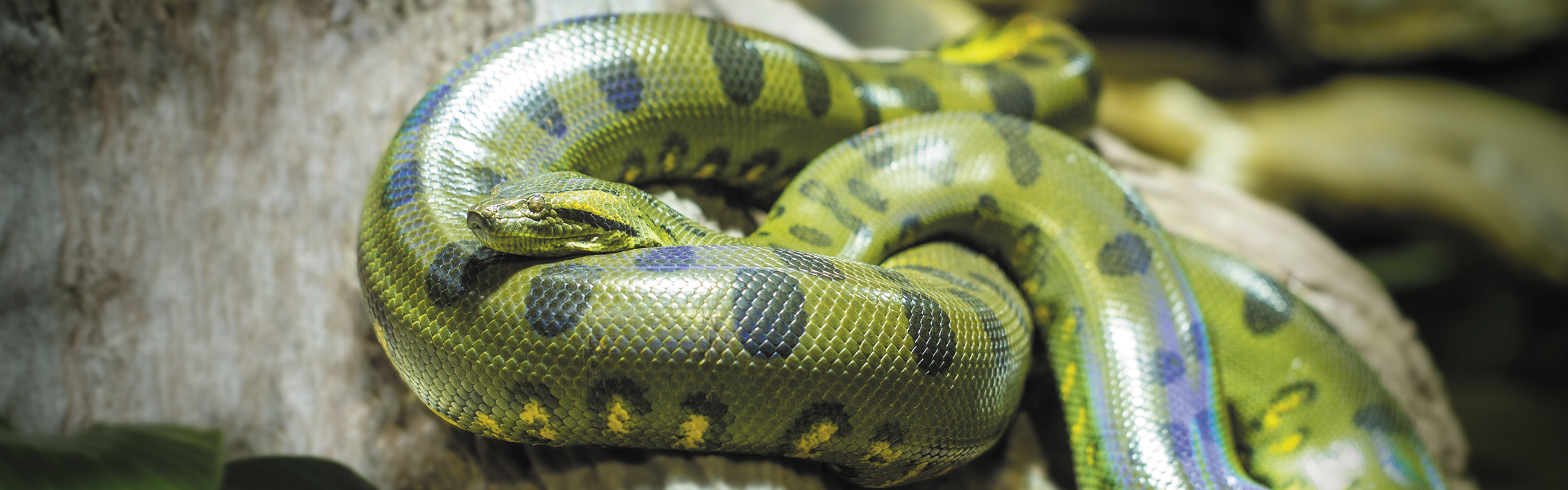
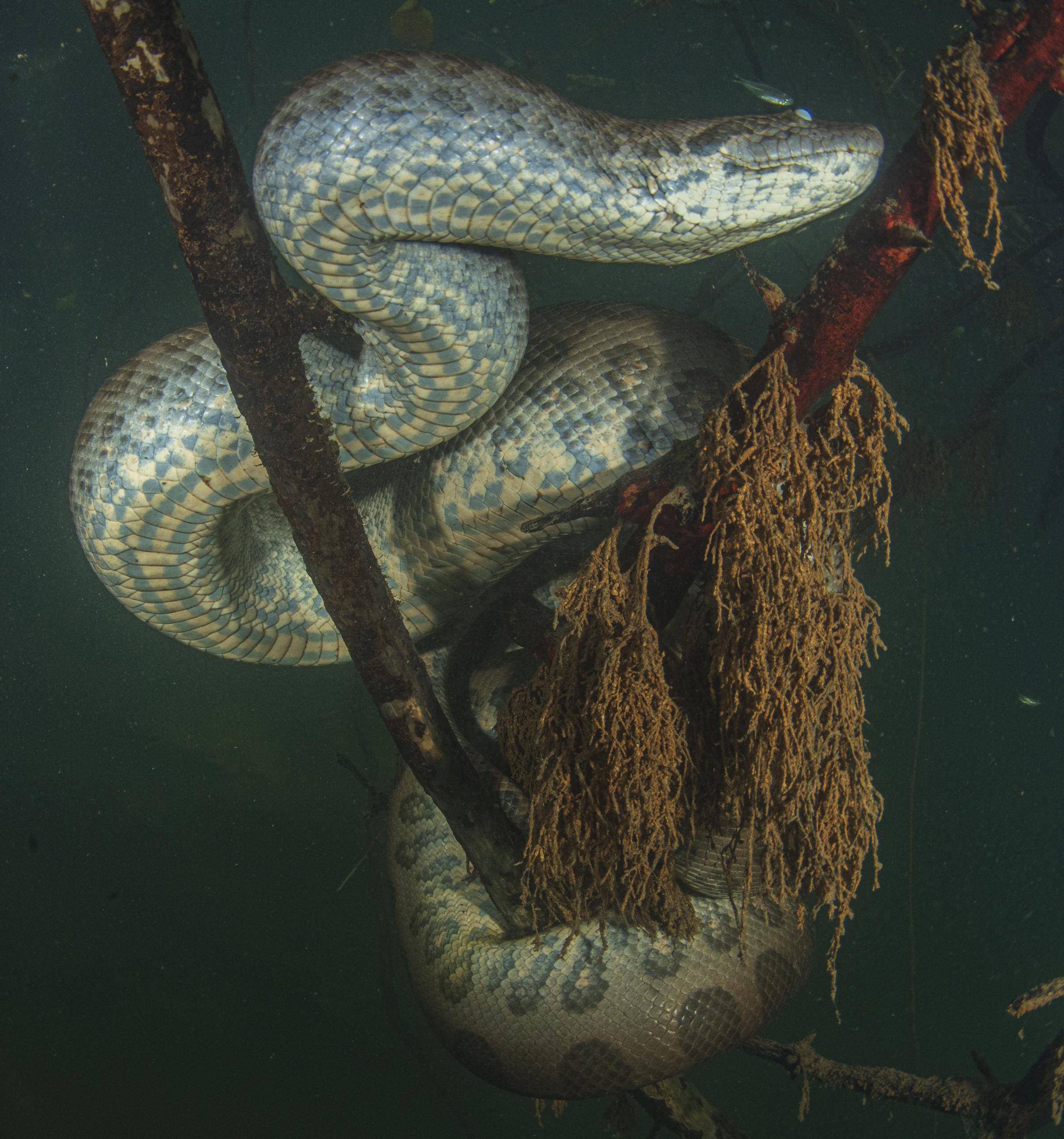
In the world of reptiles, if length is the topic, the Reticulated Python often takes the lead. However, when it comes to "pure power and sheer mass," the Green Anaconda (Eunectes murinus) reigns supreme. Residing in the deepest reaches of the South American rainforests, the anaconda is a silent predator lurking beneath the water’s surface, ready to consume any creature that dares enter its domain.
The Definition of a Heavyweight
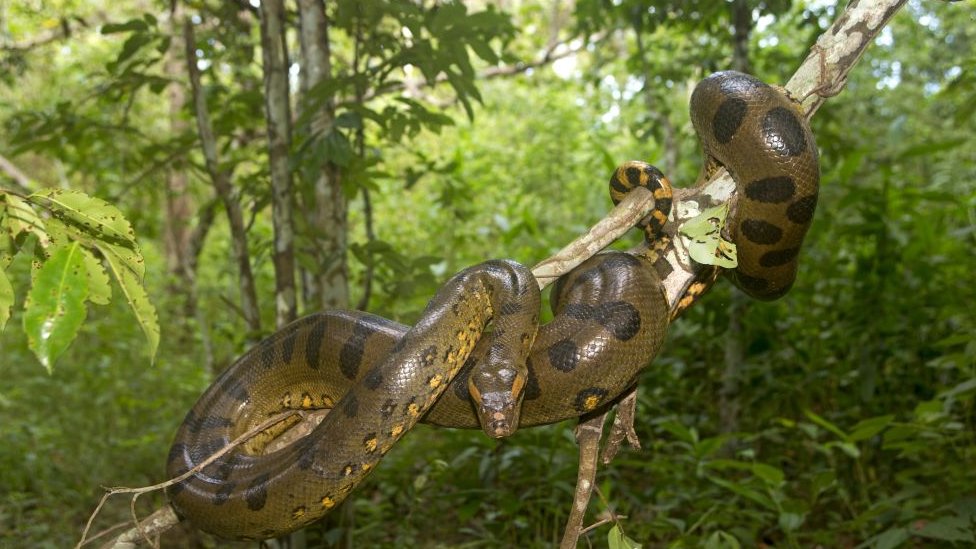
The Green Anaconda is a member of the boa family. What sets it apart is its sheer mass. A full-grown anaconda can weigh over 250 kilograms (550 lbs) and have a girth wider than a human torso. While their average length ranges between 6 to 9 meters (20 to 30 feet), their muscular build makes them undeniably the "largest" snakes in existence.
The Water Boa
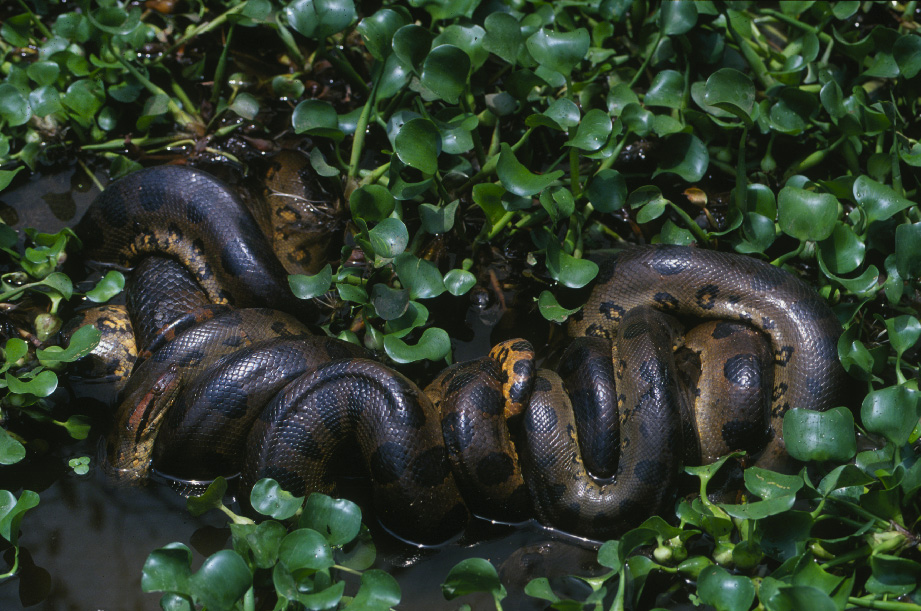
Its scientific name, Eunectes murinus, translates to "good swimmer." Anacondas spend the majority of their lives in the water—swamps, marshes, and slow-moving rivers. Their eyes and nostrils are positioned on the very top of their heads, allowing them to see and breathe while the rest of their massive bodies remain completely submerged, much like a submarine’s periscope.
Hunting and Constriction
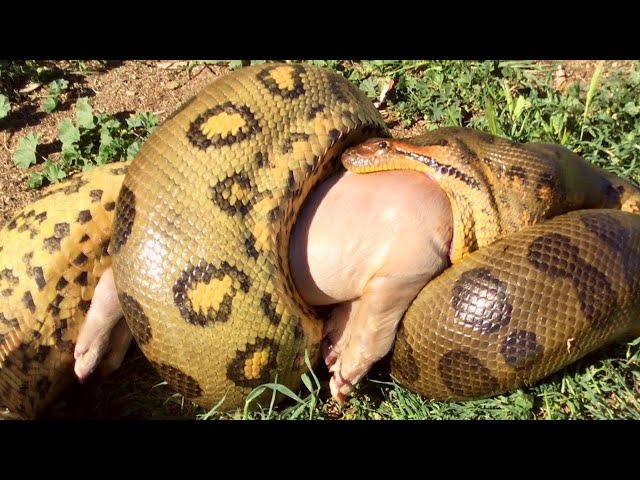
Anacondas are non-venomous; they rely on "brute force." When they strike, they use their backward-curving teeth to lock onto prey before quickly coiling their massive bodies around it. Every time the prey exhales, the anaconda tightens its grip, eventually leading to cardiac arrest or circulatory failure.
Their diet includes:
- Capybaras: The largest rodents in the world.
- Caimans: Even these formidable crocodiles are no match for a giant anaconda.
- Deer and Wild Boars.
Sexual Cannibalism
One of the darker mysteries of the anaconda is sexual dimorphism. Females are significantly larger than males. During mating season, multiple males form a "breeding ball" around a single female. In a shocking display of nature, the female sometimes consumes the smaller male after mating to gain the nutrients needed to survive her seven-month gestation period without eating.
Live Birth
Unlike pythons that lay eggs, anacondas give "live birth" (ovoviviparous). They retain the eggs inside their bodies until they hatch, after which the young emerge alive. A single female can give birth to 20–40 young at once, each about 2 feet long and ready to swim and hunt immediately.
Anacondas and Humans
Thanks to Hollywood, anacondas are often portrayed as human-eating monsters. In reality, attacks on humans are extremely rare. Due to their massive weight, they are sluggish on land. However, in the water, an anaconda is an apex predator, and caution should always be exercised.
The Green Anaconda is a testament to the wonder and power of nature within the Amazon. It plays a vital role in the ecosystem as an apex predator that maintains the balance of other species. Protecting their habitat is synonymous with protecting the balance of the "lungs of the Earth."
References
- National Geographic: Green Anaconda Facts and Habitat.
- Smithsonian's National Zoo: The Biology of Eunectes murinus.
- San Diego Zoo Wildlife Alliance: Anaconda Species Profile.
- Rivas, J. A. (2000): The Life History of the Green Anaconda in the Venezuelan Llanos.
- IUCN Red List: Conservation status of South American reptiles.
Advertisement
Photo Gallery