The Camels

yean rath
February 12, 2026 • 70 views
Advertisement
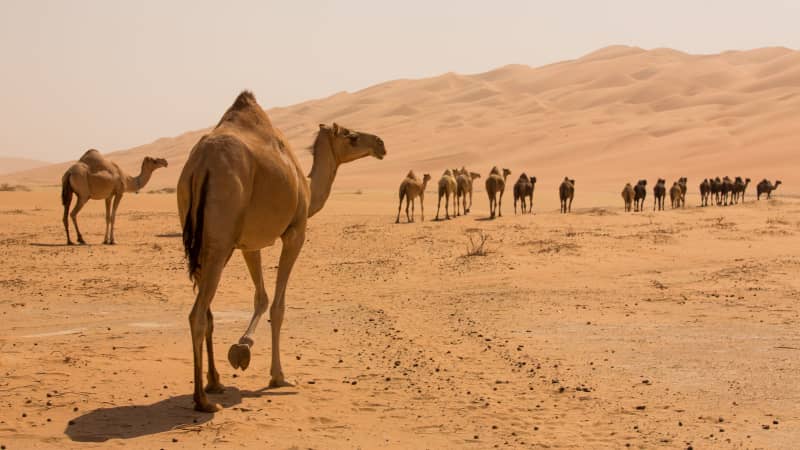
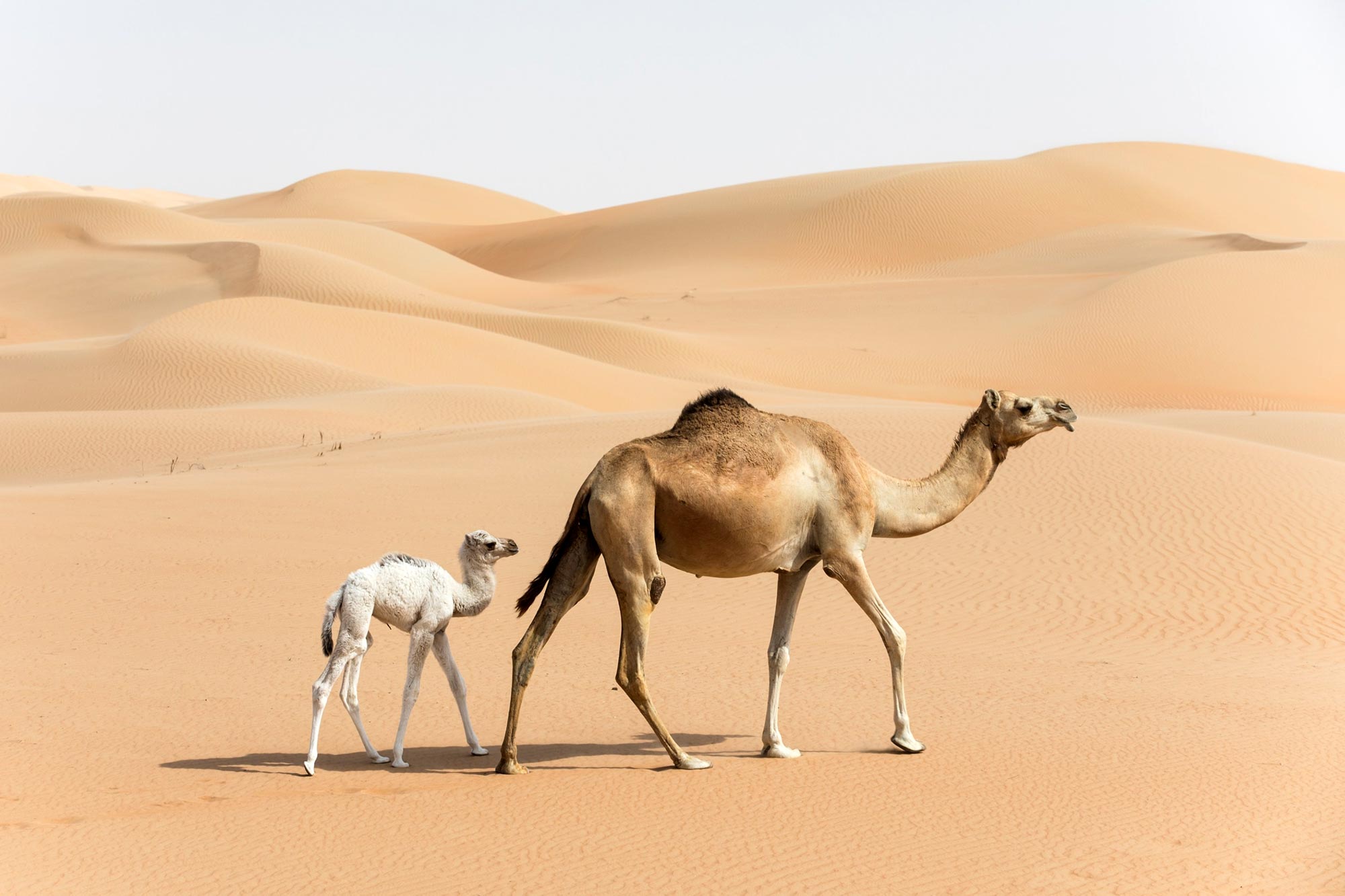
A camel walking in the hot Sahara desert, showing its hump and thick fur.
How Do Camels Store Water and Survive the Heat?
When we think of the desert, we imagine scorching heat, burning sand, and extreme dehydration. Yet, for camels, this is home. Many people wonder, "How can a camel go weeks without drinking water?" Is that hump on its back actually a water tank?
Today, we will look at how a camel’s body works to save every single drop of water, acting like one of nature's most efficient machines.
The Truth About the Hump
Since we were young, we might have been told that a camel’s hump is for storing water. But actually, that’s a myth! The hump does not store water; it stores fat.
This fat serves as an energy reserve. When food is scarce, the fat is converted into energy. Another benefit of having fat concentrated in one spot (the hump) is that it prevents fat from insulating the rest of the body, which would make the camel much hotter.
The Magic of Blood Cells
The real secret to water storage lies in their blood cells. A camel’s red blood cells are oval-shaped, unlike human blood cells, which are round.
This oval shape allows the cells to expand significantly (up to 240%) when the camel drinks. This is why a camel can drink 100 to 150 liters of water in just a few minutes. That water doesn't stay in the stomach; it is absorbed into the bloodstream for later use.
A Water-Saving Nose
Camels never waste water, even through breathing. Their noses have a special ability to trap moisture from the air they exhale.
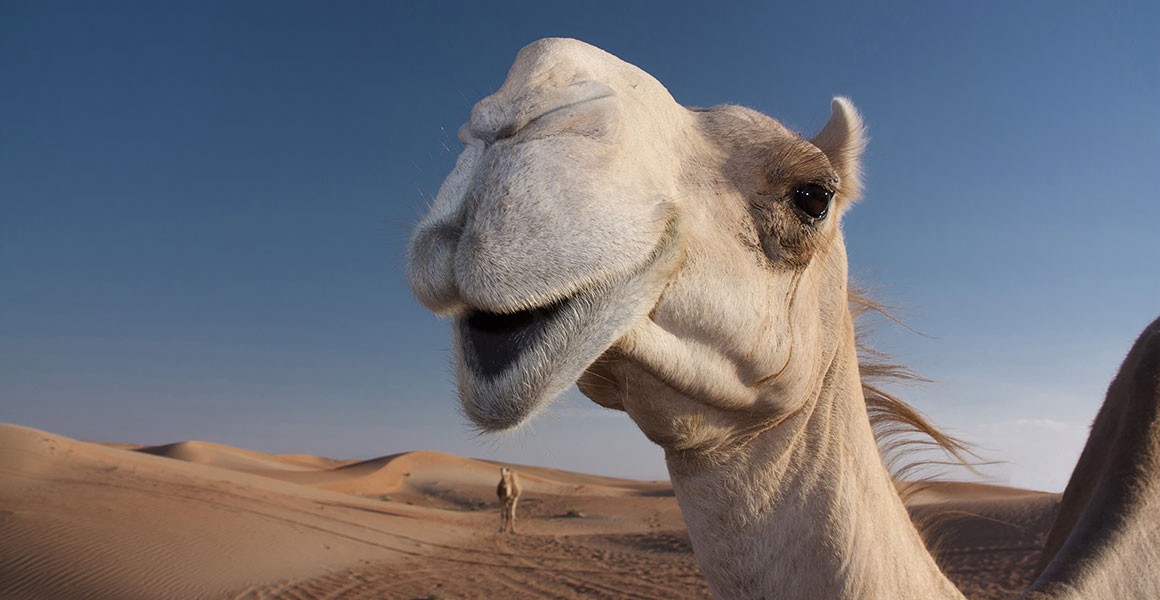
A camel’s nostrils act like an air conditioner. When they breathe out, the nose traps the moisture and returns it to the body. Additionally, they can close their nostrils completely to keep sand out of their lungs.
Minimal Sweating and Concentrated Waste
To keep water inside, camels rarely sweat, even when the temperature reaches 40-50°C. Their body temperature can fluctuate to match the outside environment, which helps them save a huge amount of fluid.
Furthermore, a camel’s urine is as thick as syrup, and its droppings are so dry that they can be used for fuel immediately. This means the body absorbs almost every drop of water from waste before it is expelled.
Camels are a wonderful example of "living efficiently." They don't carry a water tank as we imagined, but their entire body—from their blood to their nose—is designed to value every drop of water. These natural marvels are what make camels the true "ships of the desert."
References
- National Geographic: How camels handle the desert's extreme heat.
- San Diego Zoo Wildlife Alliance: Camelids - Facts and Physiology.
- Nature Education: Adaptations of camels in arid environments.
- Journal of Experimental Biology: The unique shape of camelid red blood cells.
Advertisement
Photo Gallery