The Makara

yean rath
February 14, 2026 • 158 views
Advertisement

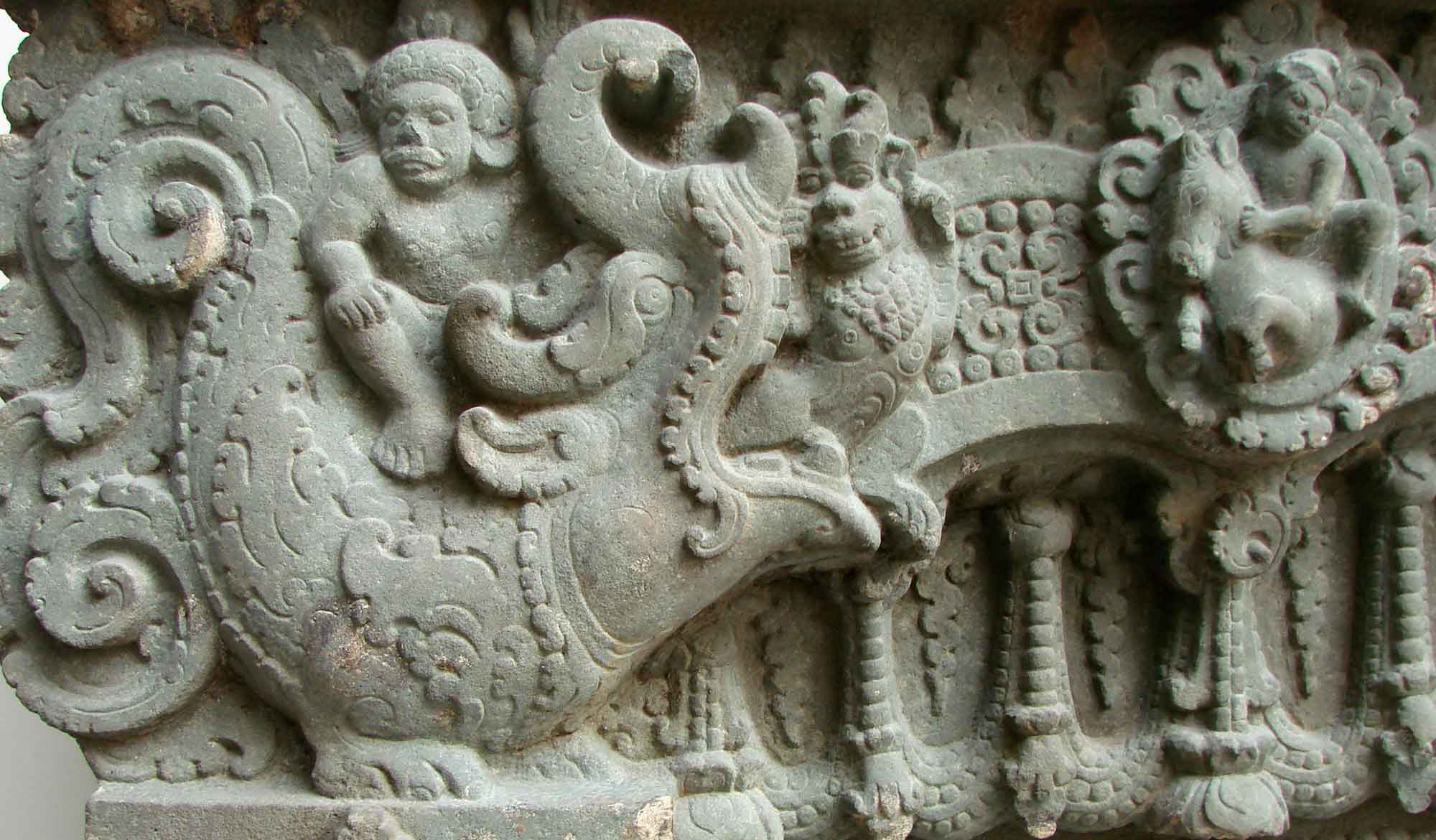
A detailed stone carving of a Makara on a temple lintel, showcasing its elephant trunk and crocodile-like mouth.
The Fascinating Mythical Creature and its Meaning in Khmer Art.
If you have ever visited ancient temples or pagodas in Cambodia, you have likely noticed carvings of a strange creature—part fish, part crocodile, and often with an elephant’s trunk. This creature is known as the Makara. The Makara is not a real animal; it is a powerful mythical being in Khmer culture, heavily influenced by Hindu mythology.
What Does a Makara Look Like?
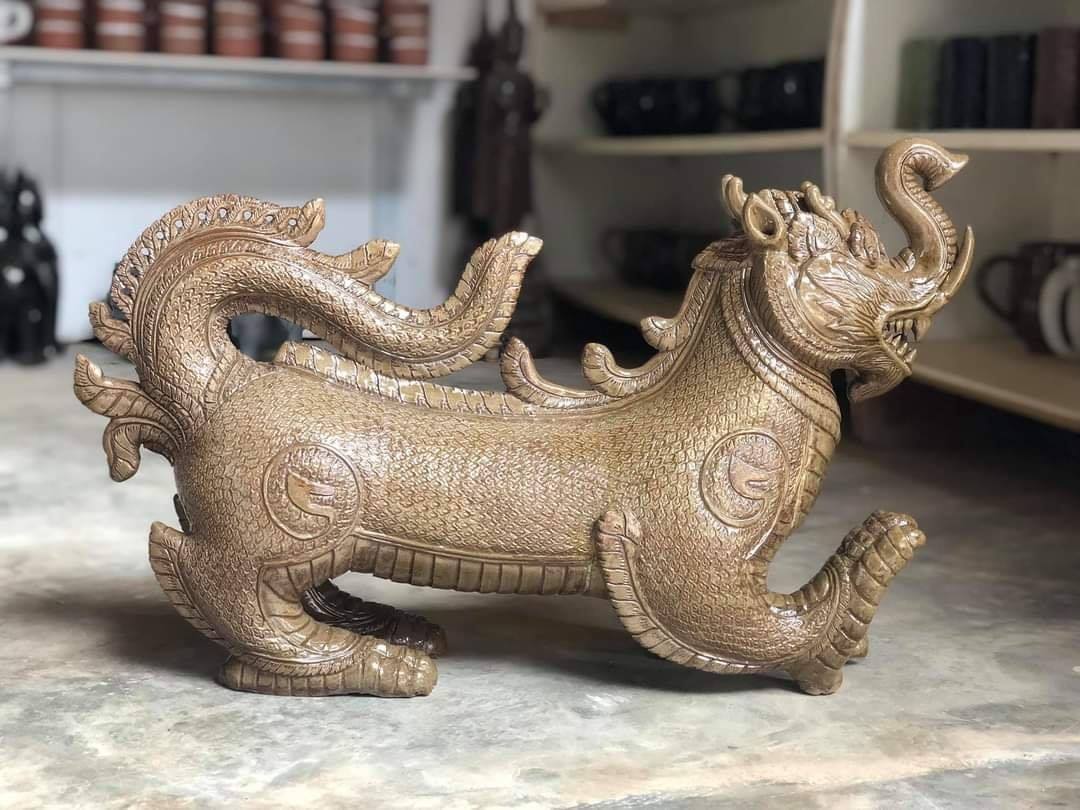
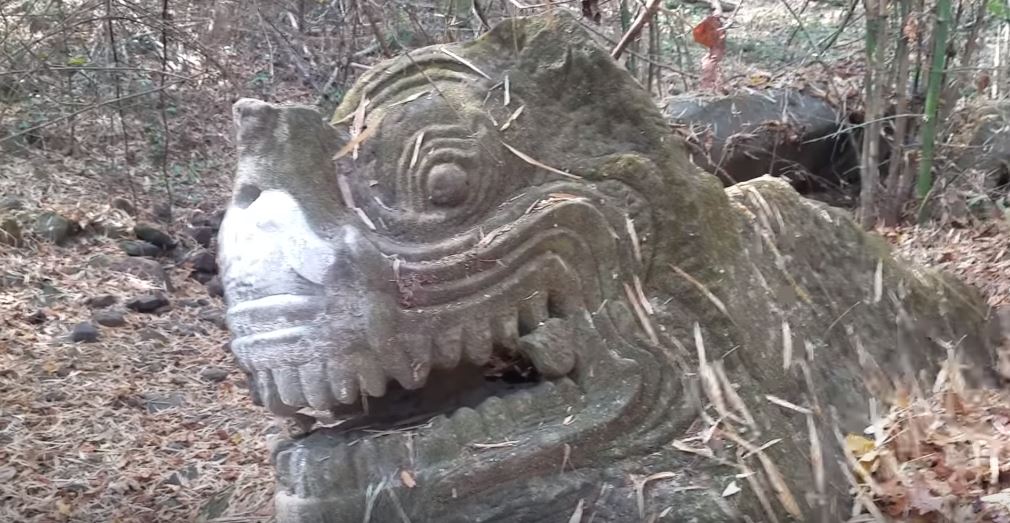
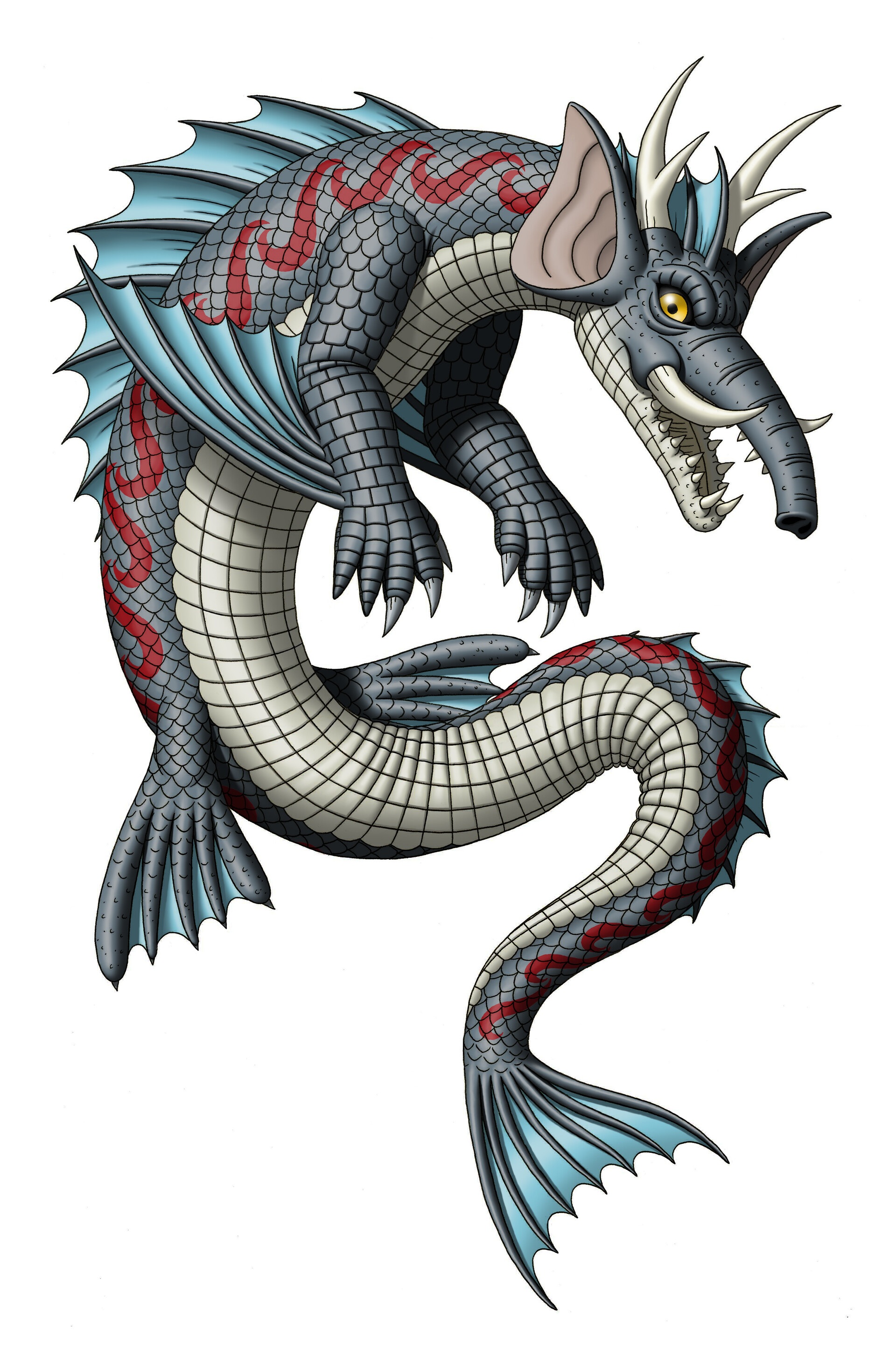
A Makara is a hybrid creature, a combination of several animals. In Khmer art, its appearance changed over different periods, but it generally features:
- Mouth: Wide and gaping like a crocodile (often with sharp teeth).
- Nose: A long trunk like an elephant.
- Body: Usually fish-like, but sometimes with legs like a land animal.
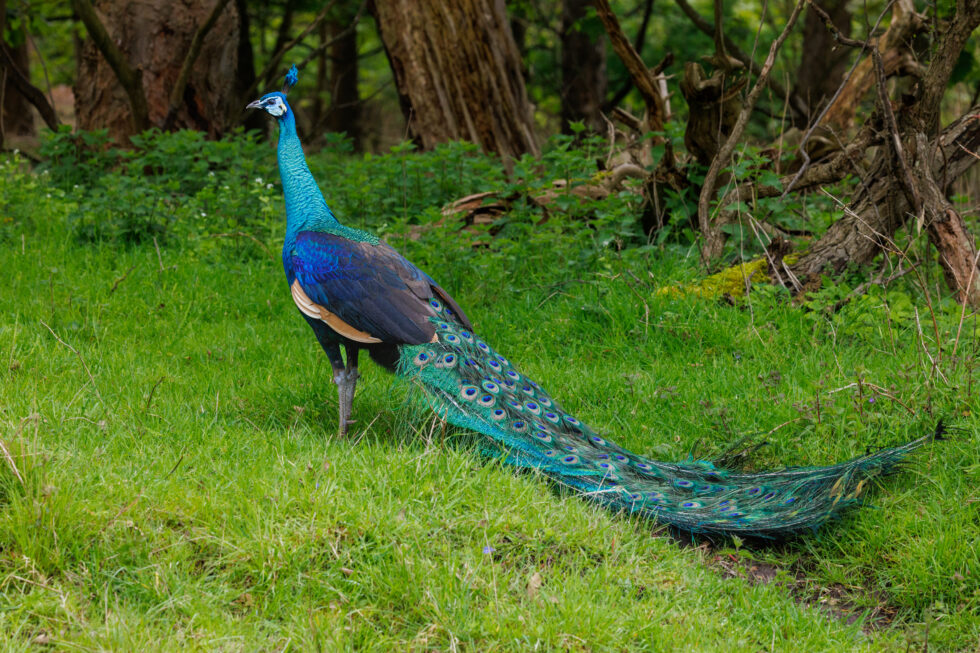
- Tail: Curled like a dragon’s or flowing like a peacock’s tail.
The Meaning and Symbolism
In ancient beliefs, the Makara was more than just a decoration. It carried significant meanings:
- Symbol of Water: The Makara is an aquatic creature and serves as the "vahana" (vehicle) for Goddess Ganga (the deity of the Ganges River) and Lord Varuna (the god of the sky and rain). Thus, it represents fertility and the life-giving power of water.
- The Protector: We often see Makaras on balustrades or lintels of temples. It is believed to act as a guardian, protecting sacred spaces from evil forces.
The Makara Swallowing the Naga
One of the most interesting motifs in Khmer art is the "Makara disgorging a Naga." You might have seen this on bridge railings or pagoda stairs, where a Makara’s wide-open mouth has a multi-headed Naga emerging from it.
Some believe the Makara represents "Time." Time continuously swallows everything, even powerful beings like the Naga. In an artistic sense, it also shows the connection between these two aquatic beings, enhancing the spiritual power of the architecture.
Makara through the Ages
- Pre-Angkorian Period: The Makara was simpler, looking more like a realistic crocodile.
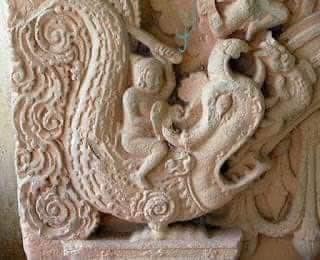
- Angkorian Period: The carvings became more intricate and decorative. They are often found on lintels, "spitting out" floral garlands or deities.
- Post-Angkorian & Modern Times: The Makara is widely used in pagoda architecture, especially on roof ends and staircases.
Why Should We Know the Makara?
Understanding the Makara helps us appreciate the depth of Khmer art. It shows that our ancestors were highly creative, weaving together nature, faith, and art. When you see a Makara, let it remind you of peace, the importance of water, and protection.
The Makara is not just a soulless stone carving. It is a part of the Khmer cultural soul that has survived for thousands of years. Through its strange and magnificent appearance, the Makara teaches us about the balance of life and the respect we owe to the nature that provides the water we need to survive.
References
- វិទ្យាស្ថានពុទ្ធសាសនបណ្ឌិត (Buddhist Institute): Dictionary of Khmer Customs and Traditions.
- Groslier, G. (1921): Recherches sur les Cambodgiens (Research on the Cambodians).
- Roveda, V. (2005): Images of the Gods: Khmer Mythology in Cambodia, Thailand and Laos.
- Ministry of Culture and Fine Arts, Cambodia: Documentation on Khmer Sculptural Motifs.
Advertisement
Photo Gallery