The Mekong Irrawaddy Dolphin

yean rath
January 10, 2026 • 207 views
Advertisement

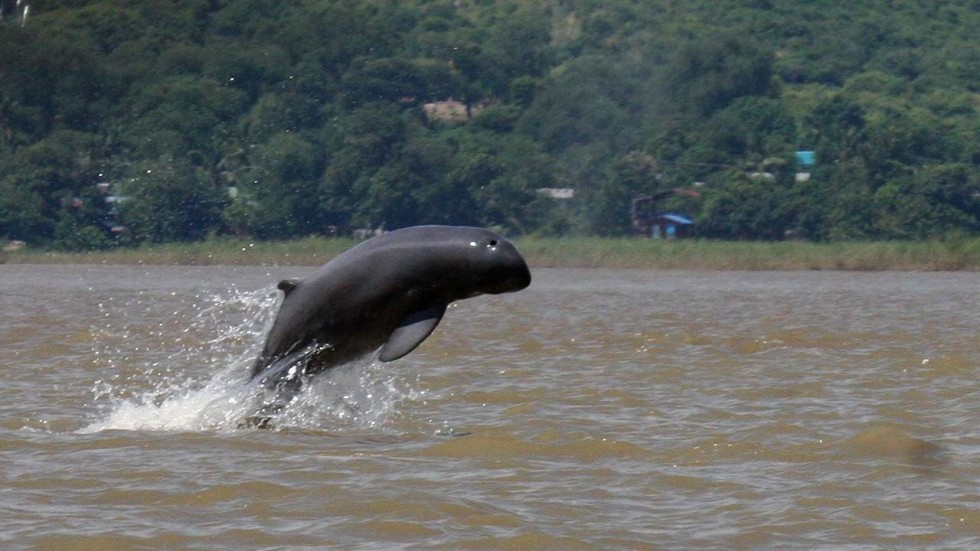
A Mekong Irrawaddy Dolphin breaching the water surface in Kratie, Cambodia, with its iconic rounded head.
Cambodia’s Living Treasure and Its Final Stand for Survival
In the mighty currents of the Mekong River, flowing through Kratie and Stung Treng provinces in Cambodia, a gentle creature glides silently beneath the surface. With its iconic rounded head, lack of a long beak, and an enduring "smile" on its face, the Mekong Irrawaddy Dolphin (Orcaella brevirostris) is more than just an animal; it is a "living treasure" and a symbol of harmony between nature and the Cambodian people.
However, behind that endearing smile lies a bittersweet struggle. Today, the Mekong Irrawaddy Dolphin stands on the brink of extinction, with only about 90 individuals left in existence.
Unique Characteristics
While Irrawaddy dolphins are found in a few spots across Southeast Asia, the sub-population living in the freshwater of the Mekong is truly distinct.
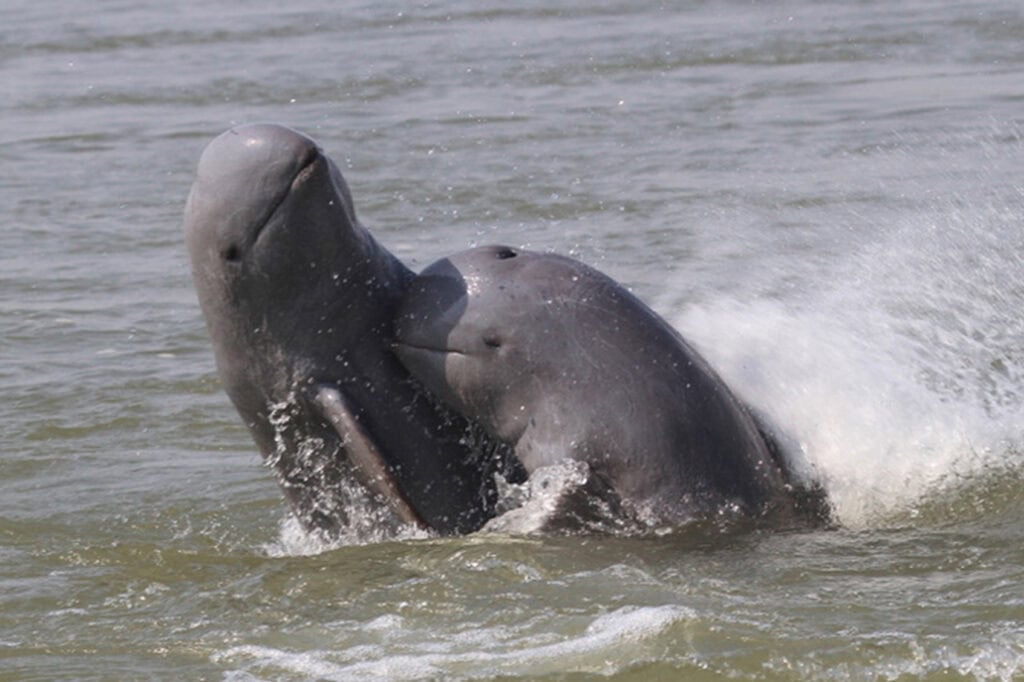
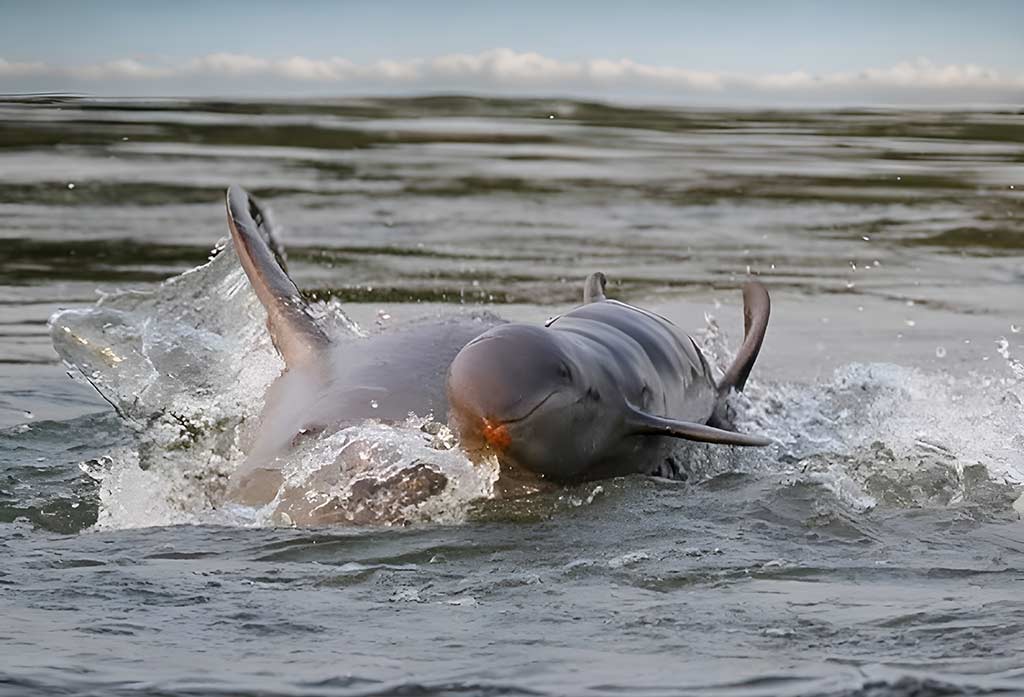
- Appearance: They possess a blunt, rounded head and a high, bulging forehead. Unlike oceanic dolphins, they lack a prominent beak.
- Coloration: Their bodies transition from a slate-grey on the back to a paler grey on the underside.
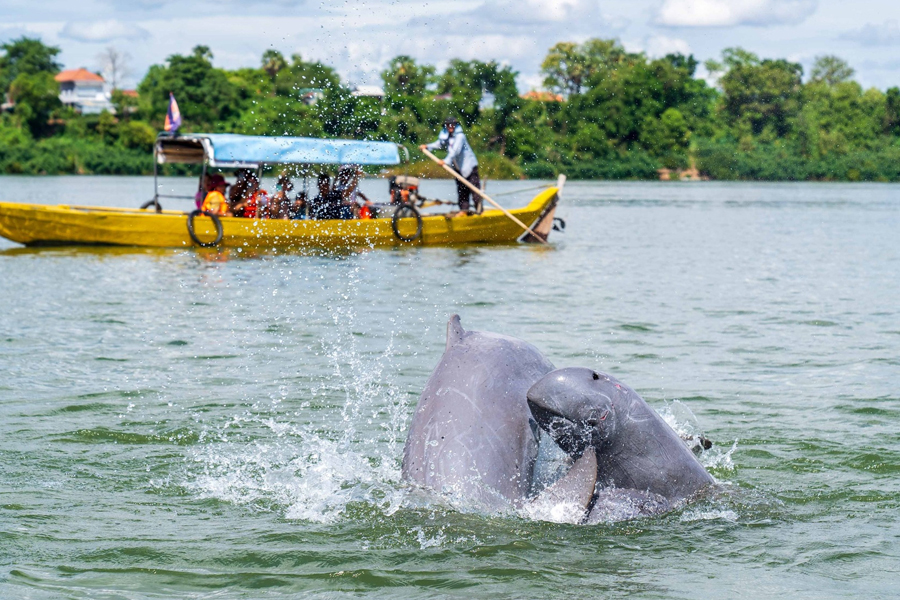
- Breathing Habits: As mammals, they must surface every few minutes to breathe. This rhythmic surfacing and puffing of water is exactly what draws thousands of tourists to the riverbanks of Kratie.
Cultural Significance and Beliefs
For Cambodians, the dolphin is not just another water creature. According to ancient folklore, the dolphin was once a "young maiden who transformed herself" to escape a moment of shame. This legend has fostered a deep spiritual bond between local fishermen and the dolphins. They believe that where there are dolphins, there are fish; often, it is said that dolphins help drive schools of fish toward the fishermen's nets.
The Crisis: Why Are They Dying?
Despite this cultural reverence, human activity is the driving force behind their decline:
- Gillnets: This is enemy number one. Dolphins frequently get accidentally entangled in large-mesh fishing nets. Once trapped, they cannot reach the surface to breathe and tragically drown.
- Illegal Fishing: The use of explosives and electro-fishing doesn't just kill fish; it shatters the dolphins' sensitive sonar systems and kills them outright.
- Hydropower Dams: Upstream dam construction alters the natural flow of the river, disrupting breeding patterns and reducing the abundance of the fish they rely on for food.
The Fight for Survival
The Cambodian government, alongside WWF-Cambodia and local communities, has established a 180-kilometer "Dolphin Management Zone" stretching from Kratie to the Lao border. River guards are deployed to patrol 24/7, serving as the last line of defense against illegal fishing.
Losing the Mekong Irrawaddy Dolphin is not just the loss of a species; it is the loss of an identity and the equilibrium of the entire Mekong ecosystem. These dolphins are "indicators" of the river's health. If the dolphins vanish, it is a sign that the river—and the millions of people who depend on it—are in grave danger.
References
- WWF-Cambodia: Mekong Irrawaddy Dolphin Population Report 2024.
- IUCN Red List: Orcaella brevirostris (Mekong River sub-population) - Critically Endangered.
- Ministry of Agriculture, Forestry and Fisheries (MAFF): Dolphin Conservation Strategy.
- UNESCO: Mekong River Biodiversity Profiles.
Advertisement
Photo Gallery