The Orca

yean rath
January 30, 2026 • 141 views
Advertisement

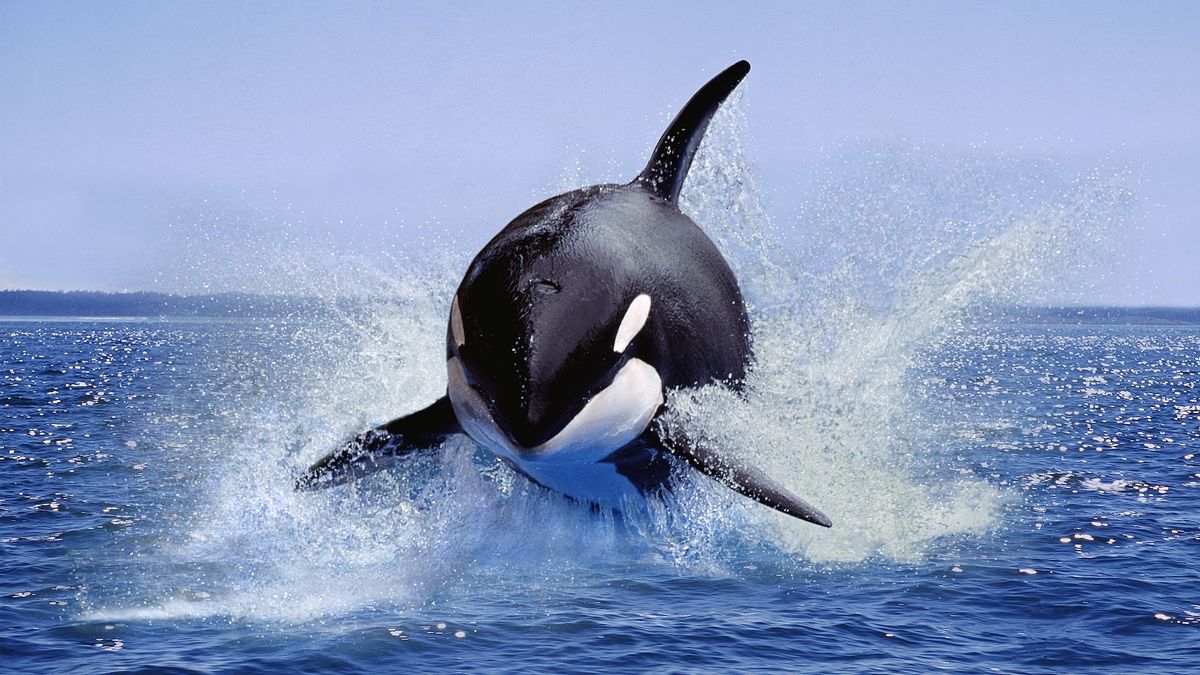
A majestic Orca whale jumping out of the ocean water against a scenic backdrop.
The Intelligent Sovereign and Apex Predator of the Seven Seas
In the deep, blue reaches of the ocean exists a creature that embodies power, intelligence, and unparalleled cooperation. Despite its formidable moniker, the "Killer Whale," the Orca (Orcinus orca) is not actually a whale. It is, in fact, the largest member of the dolphin family.
Identity: A Whale of a Tale
The name "Killer Whale" originated from ancient mariners who witnessed these creatures hunting and consuming large whale species. They were originally dubbed "Whale Killers," which eventually flipped to "Killer Whales." The Orca is a highly distinct marine mammal, sporting a sleek black-and-white coloration that makes it one of the most recognizable animals on the planet.
High Intelligence and Social Culture
What separates Orcas from other marine life is not just physical prowess, but their intellect. Orcas possess the second-largest brains of all marine mammals.
- Dialects: Different Orca pods possess unique "dialects." Groups from different regions cannot understand each other’s vocalizations, a phenomenon that suggests a complex level of "culture" similar to humans.
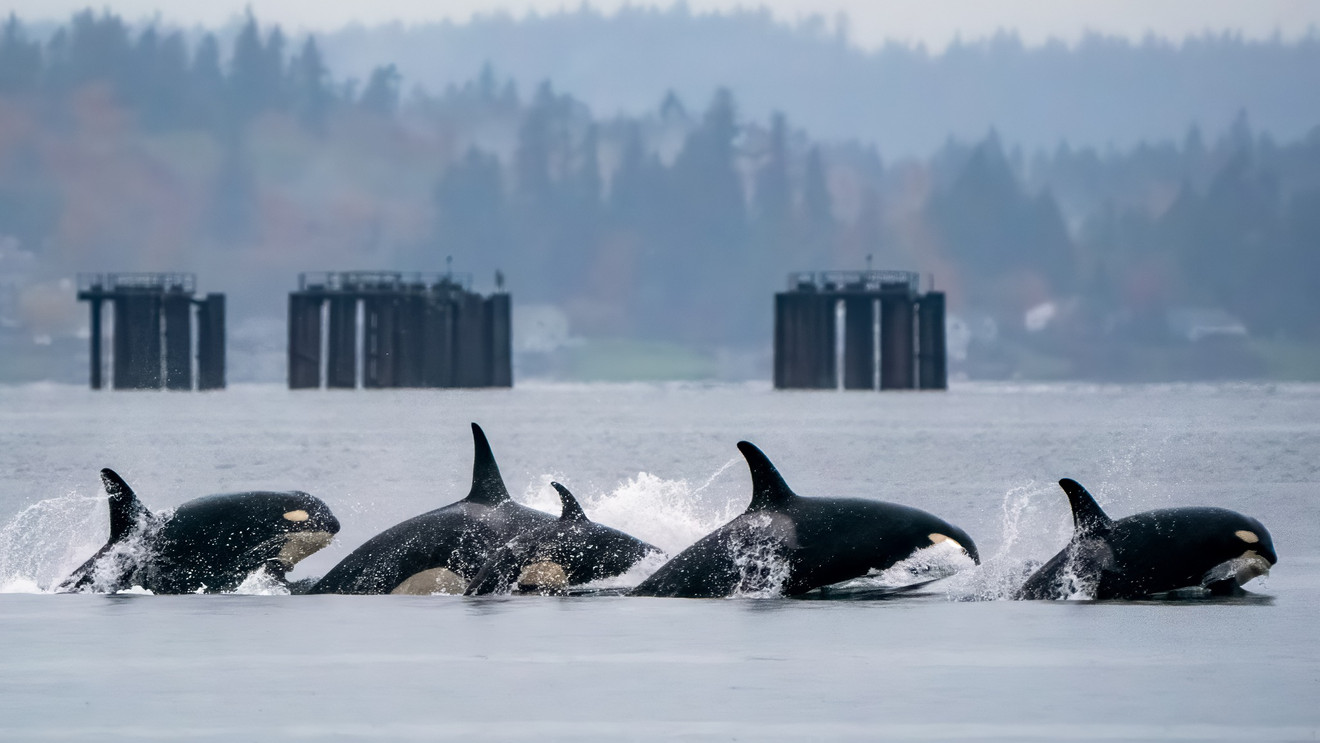
- Social Structure: They live in matriarchal societies led by the oldest and most experienced females. Knowledge of hunting grounds and survival tactics is passed down through generations.
Hunting Tactics: Wolves of the Sea
Orcas are known as the "Wolves of the Sea" because they hunt in highly organized packs. Their tactics vary depending on their target and location:
- Wave Washing: In Antarctica, Orcas swim in unison to create powerful waves that wash seals off ice floes.
- Tail Slapping: They use their powerful flukes to slap the water surface, creating acoustic shockwaves that stun schools of fish.
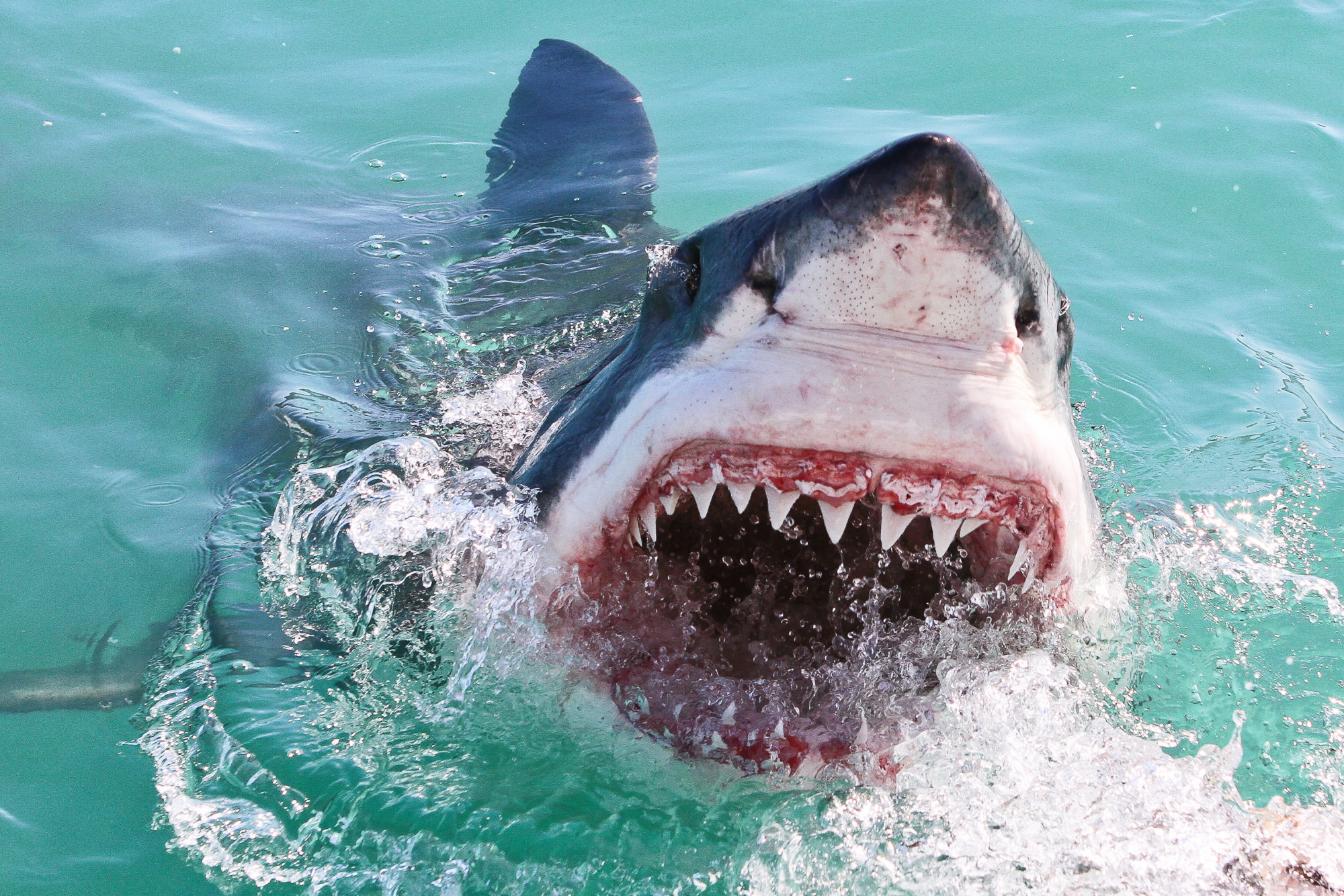
- Targeting Giants: They work together to exhaust larger whale calves or even hunt Great White Sharks specifically for their nutrient-rich livers.
Orcas and Humans
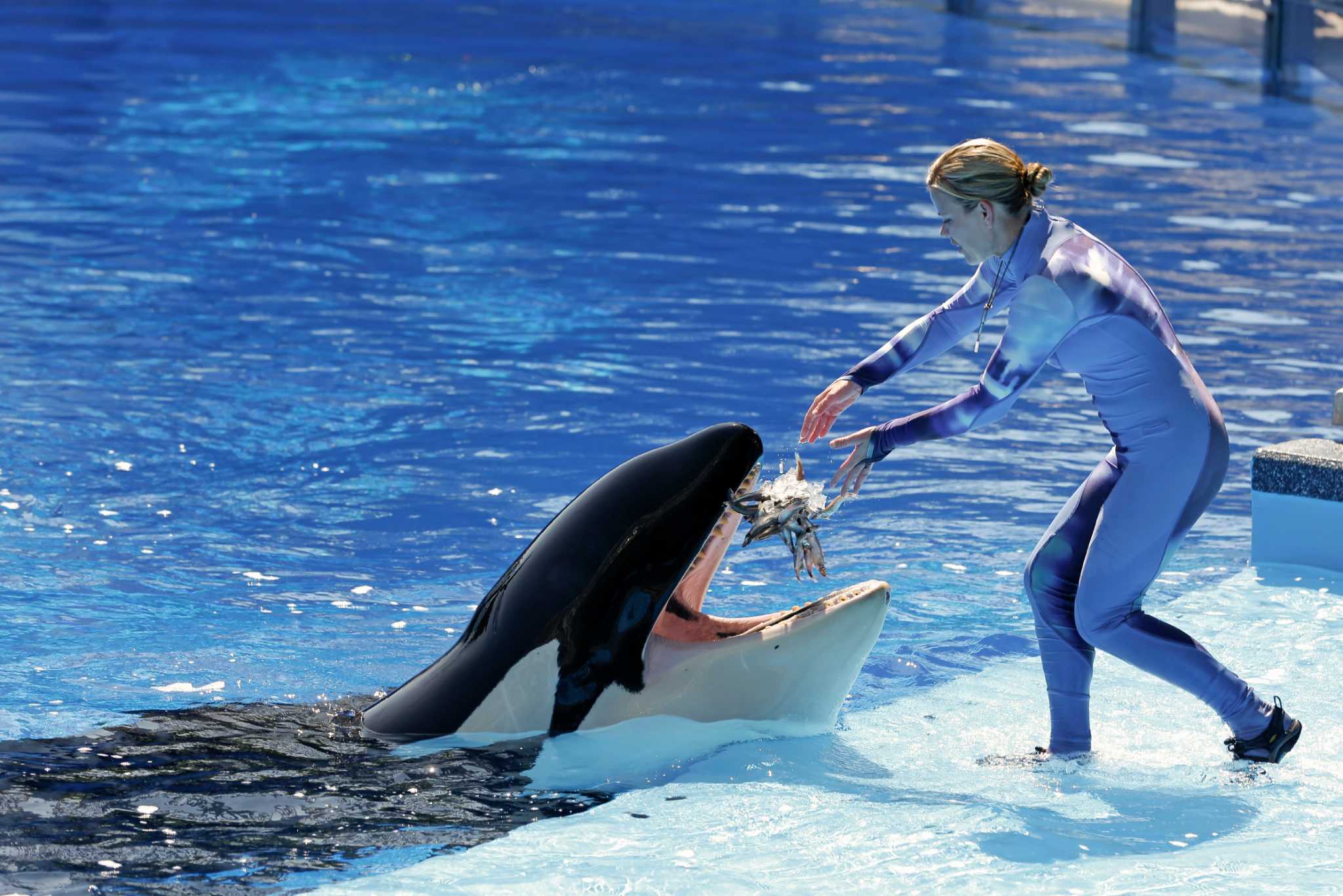
Here is a surprising fact: In the wild, there are no recorded instances of an Orca killing a human. They seem to possess an innate understanding that humans are not prey. However, fatal attacks have occurred in captivity, which scientists believe are results of psychological stress caused by confinement in small tanks.
Conservation and Threats
Despite being apex predators, Orcas face significant threats:
- Bioaccumulation: Chemical pollutants in the ocean accumulate in their blubber, leading to reproductive issues.
- Food Depletion: Overfishing by humans reduces the availability of their primary food sources, such as salmon.
- Acoustic Pollution: Underwater noise from shipping vessels interferes with their echolocation, making it difficult for them to navigate and hunt.
The Orca is a testament to the wonder and intellectual depth of the marine world. They are not merely cold-blooded killers, but emotional creatures with sophisticated social cultures. Protecting our oceans ensures that the sovereign of the seas continues to thrive for generations to come.
References
- National Geographic: Killer Whale (Orca) Facts and Profiles.
- NOAA Fisheries: Orcinus orca - Species Directory.
- Whale and Dolphin Conservation (WDC): The Cultural Lives of Orcas.
- Marine Mammal Commission: Threats to Killer Whale Populations.
- Smithsonian Magazine: The Complex Social Lives of Killer Whales.
Advertisement
Photo Gallery