The Oriental Pratincole

yean rath
January 13, 2026 • 221 views
Advertisement

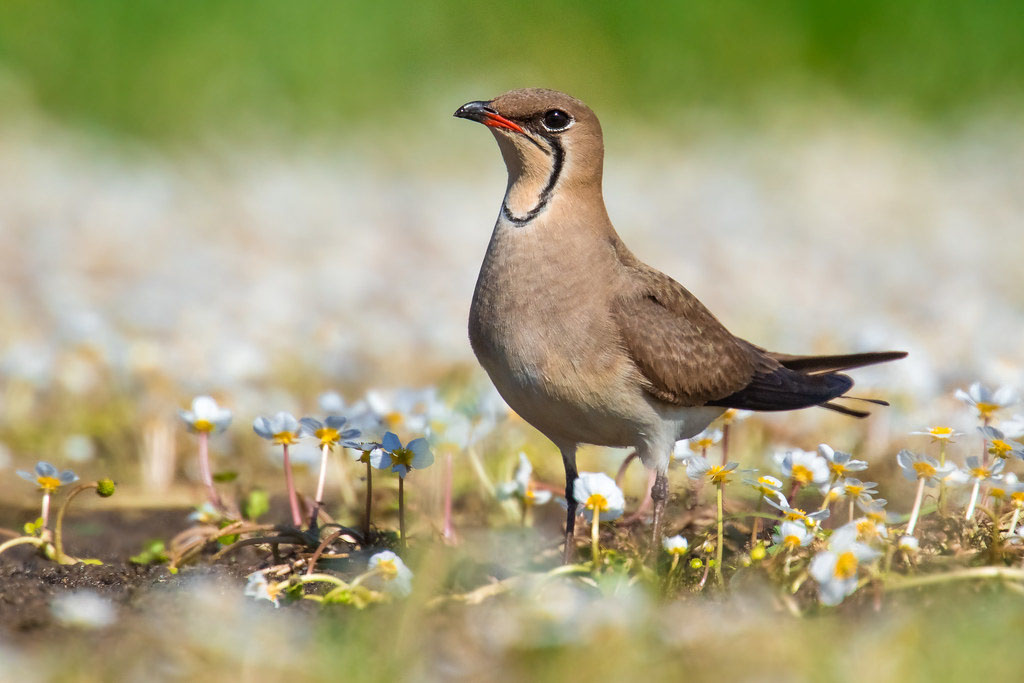
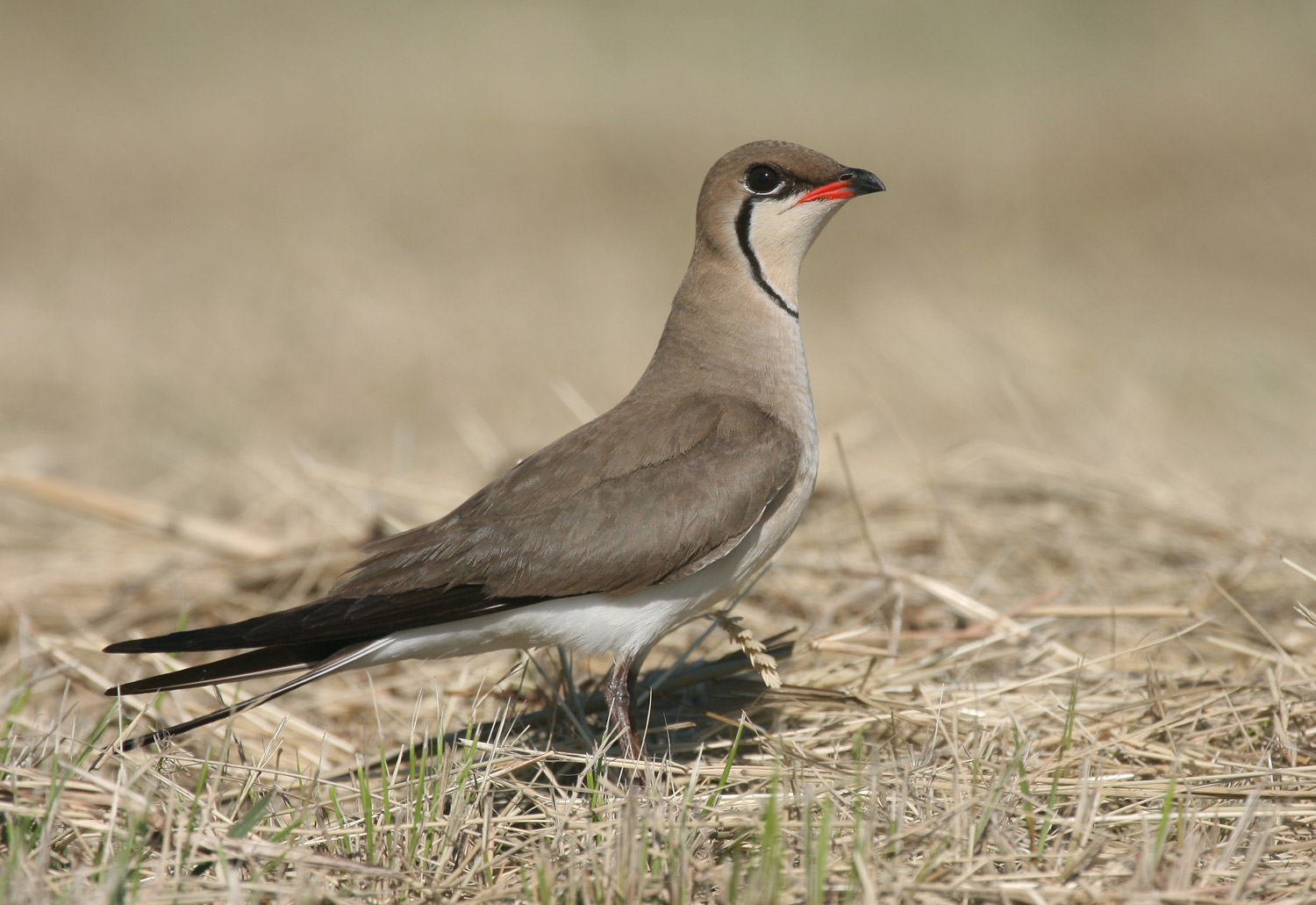
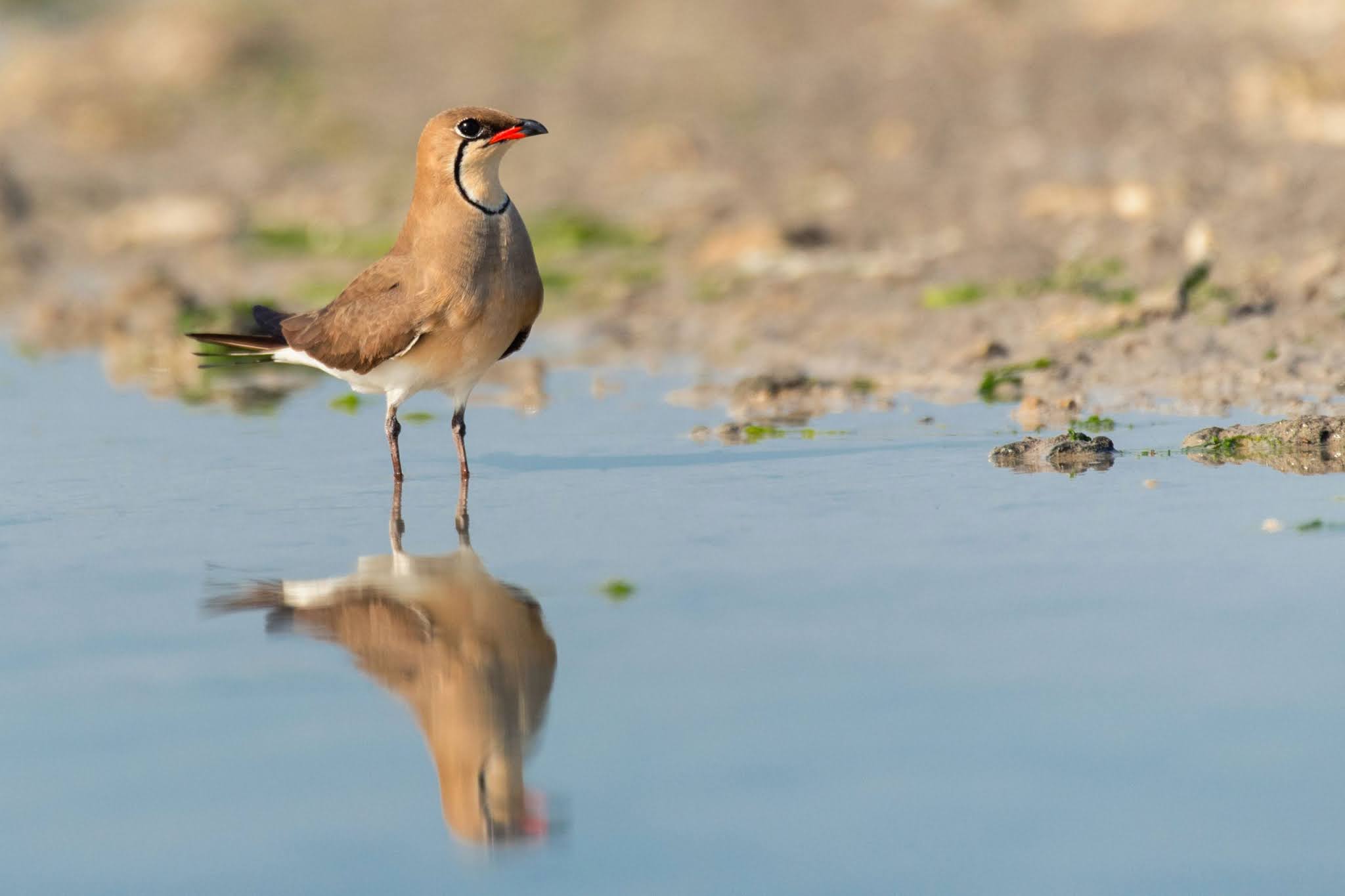
An Oriental Pratincole standing on an open field, showing its distinctive red gape and long pointed wings.
The Aerial Acrobat and Its Extraordinary Transcontinental Journey
In the avian world, not all birds forage on the ground or in the water. There is a bird that possesses a unique look—part swallow, part plover. This is the Oriental Pratincole (Glareola maldivarum). These are extraordinary migratory birds that bridge the natural gap between Australia and Southeast Asia, particularly our very own Cambodia.
Appearance and Identification
The Oriental Pratincole is a medium-sized bird (about 23–24 cm long) with very distinct features:
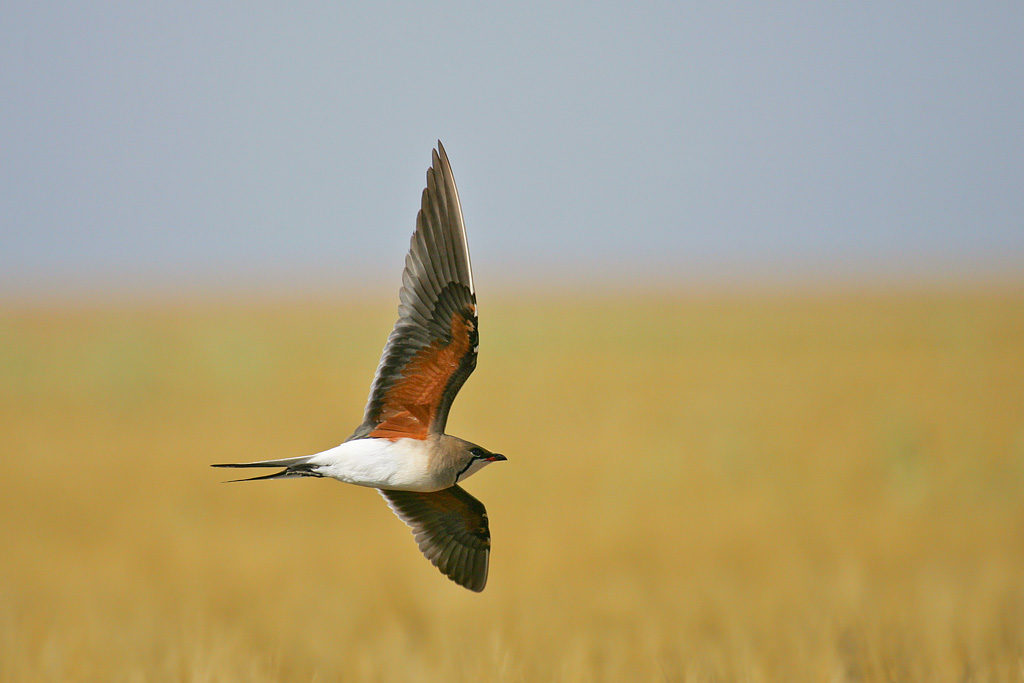
- Wings: It has long, pointed wings that allow for high-speed, agile flight, much like a tern or a swallow.
- Coloration: Its plumage is olive-brown on the upper parts and white on the belly.
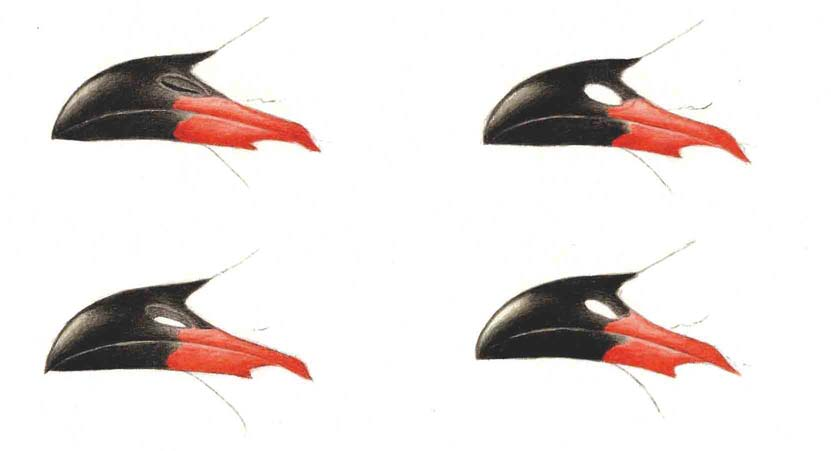
- Facial Features: The most striking feature is the black "necklace" circling a creamy-yellow throat, paired with a short bill that shows a bright red gape at the base.
Aerial Insectivore
Unlike other shorebirds that probe the mud, the Oriental Pratincole prefers to hunt insects in mid-air. They fly swiftly to snatch dragonflies, locusts, and flying termites. Their flight maneuvers are incredibly flexible, making them the "fighter jets" of the open fields.
Migration and Breeding Cycle
The Oriental Pratincole is a skilled traveler. Every year, they migrate from Australia (where they spend their non-breeding season) towards Asia to breed.
Presence in Cambodia: In Cambodia, they are important seasonal visitors. They begin arriving between February and March. Their preferred habitats are the floodplains around the Tonle Sap Lake and wetlands in provinces like Kompong Thom, Preah Vihear, and Banteay Meanchey.
Breeding on Dry Land
Most interestingly, these birds do not build nests in trees. They lay their eggs directly on dry, open ground or harvested rice fields.
- The Nest: It is merely a shallow scrape in the earth.
- Protection: Their eggs are camouflaged to match the soil perfectly. If a predator approaches, the parents will perform a "broken-wing display," feigning injury on the ground to lure the threat away from the nest.
Conservation and Threats
While not currently endangered, their populations face threats from:
- Habitat Loss: Conversion of natural grasslands into intensive agriculture or industrial zones.
- Pesticide Use: Reducing their food source and potentially poisoning the birds.
- Nest Disturbance: Since they nest on the ground, farming machinery or livestock can accidentally crush their nests.
The Oriental Pratincole is a sign of ecological balance. Their presence helps control insect populations that damage crops. Protecting the wetlands and grasslands around the Tonle Sap not only helps these birds but sustains Cambodia’s entire ecosystem. Let’s learn to protect these migratory marvels so they can continue their transcontinental journeys to our land forever.
References
- BirdLife International (2024) Species factsheet: Glareola maldivarum.
- eBird Cambodia - Field observations and seasonal distribution data.
- The Australian Bird Guide - Migration patterns of Oriental Pratincoles.
- WCS Cambodia - Wetland bird conservation reports.
Advertisement
Photo Gallery