The Pacific Golden Plover

yean rath
January 09, 2026 • 175 views
Advertisement

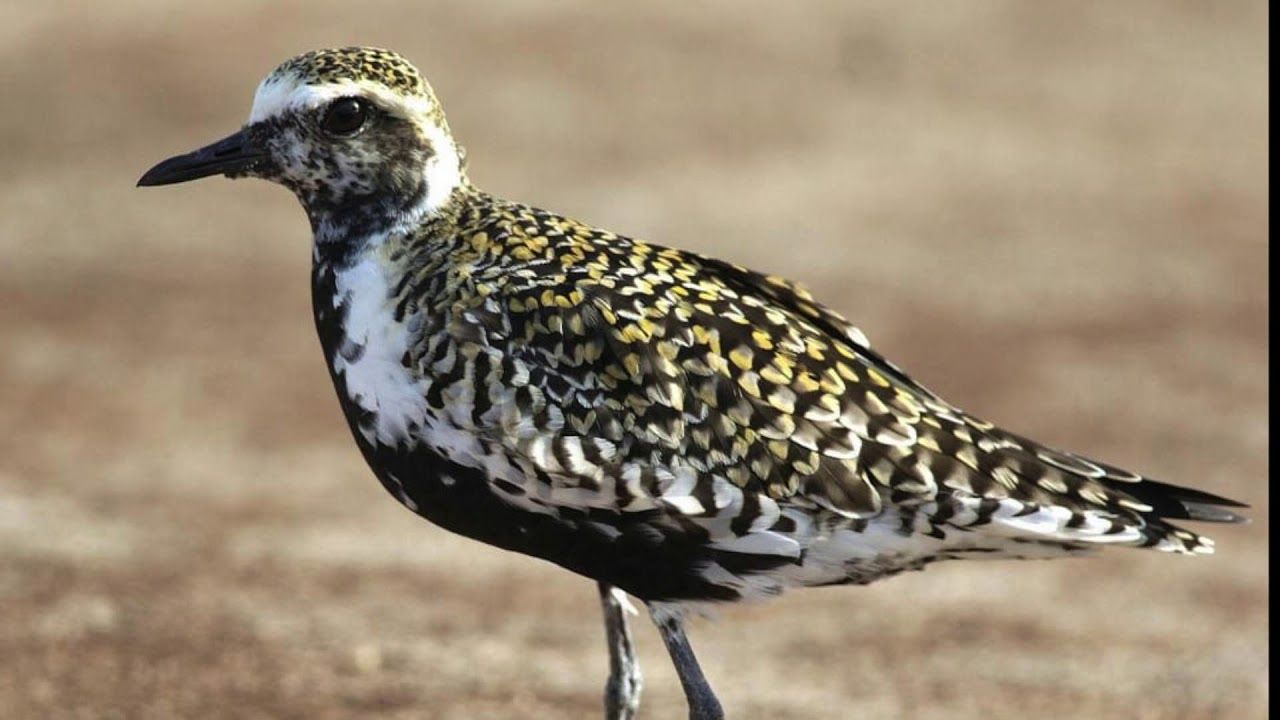
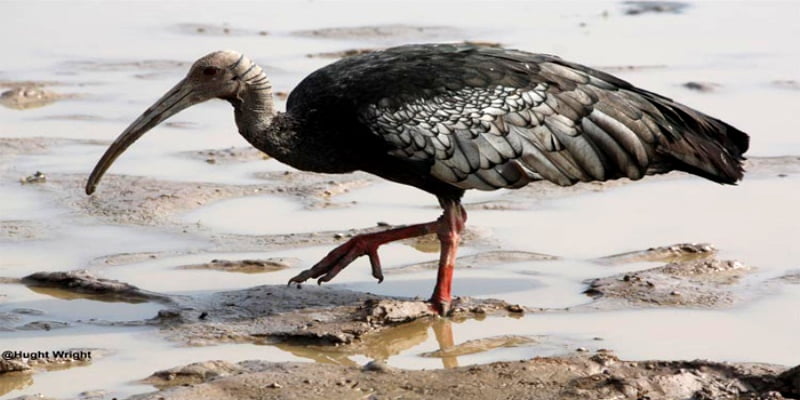
A Pacific Golden Plover in non-breeding plumage standing on a muddy wetland in Cambodia.
The Sky’s Marathon Runner and the Mystery of Long-Distance Flight
Can you imagine a bird no larger than the palm of your hand, flying thousands of kilometers over a vast, trackless ocean without stopping for a single second to rest or feed? This is not a myth; it is the daily reality of the Pacific Golden Plover (Pluvialis fulva). This extraordinary bird is one of the most resilient and skilled long-distance navigators in the avian world.
The Master of Disguise
The Pacific Golden Plover is a true master of seasonal fashion.
- Non-breeding Plumage: When they arrive in Cambodia or Southeast Asia during the winter months, they wear a modest coat of mottled gold and brown, perfect for blending into sun-dried grasslands and muddy wetlands.
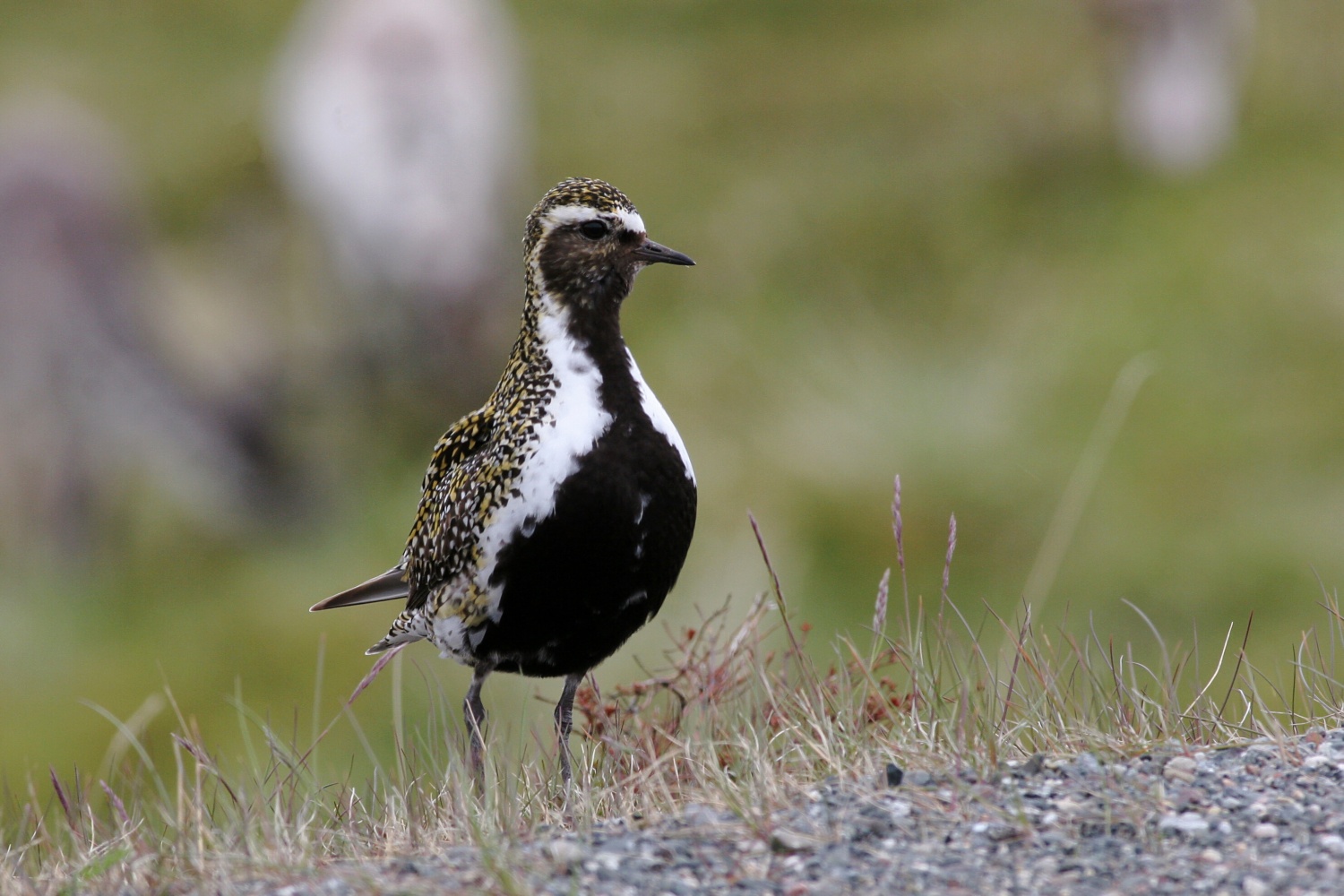
- Breeding Plumage: As they prepare to return to the Arctic, they undergo a stunning transformation. Their face and underparts turn a deep, velvety black, framed by a striking white stripe, while their backs glow with brilliant gold spangles.
The Incredible Marathon Flight
What truly amazes scientists is the plover’s legendary endurance. They breed in the frigid tundras of Alaska and Siberia and migrate to warmer climates like Hawaii, Southeast Asia, and Australia.
Research has tracked these birds flying from Alaska to Hawaii—a distance of roughly 4,800 kilometers—in just 3 to 4 days. This is a non-stop flight over the open ocean, meaning they do not eat, drink, or sleep for the entire duration. To survive this feat, they must double their body fat before departure, using it as a high-grade fuel for their journey.
Presence in Cambodia
In Cambodia, the Pacific Golden Plover is a faithful winter visitor. They typically arrive in October and stay until April. Their preferred habitats include:
- Grasslands surrounding the Tonle Sap Lake.
- Wetlands along the Mekong River.
- Harvested rice fields and coastal mudflats.
They feed primarily on insects, worms, and small mollusks. In Cambodia, they are often seen foraging in small, loose flocks. They are incredibly wary birds; if they sense danger, they will run swiftly across the ground before taking flight with a sharp, whistling call.
Challenges and Conservation
While the Pacific Golden Plover is currently listed as Least Concern by the IUCN, they face growing threats:
- Habitat Loss: The conversion of wetlands and natural grasslands into industrial zones or large-scale agriculture deprives them of essential "refueling stations" needed for their return flight.
- Climate Change: Changing temperatures in the Arctic are shifting their breeding seasons and affecting the availability of the insects they rely on to feed their chicks.
The Pacific Golden Plover is a living testament to the wonders of nature. Every time you see this small bird standing in a Cambodian rice field, remember that it has just survived a perilous thousands-mile journey to be here. Protecting our wetlands and natural grasslands does not only benefit local species; it ensures that these "marathon runners of the sky" have a place to rest and a chance to fly another day.
References
- BirdLife International (2024). Species factsheet: Pluvialis fulva.
- Johnson, Oscar W. (2003). Pacific Golden-Plover (Pluvialis fulva). The Birds of North America.
- WCS Cambodia (Wildlife Conservation Society). Shorebird monitoring reports.
- National Geographic. "The Amazing Migration of the Golden Plover."
Advertisement
Photo Gallery