The Pangolin

yean rath
January 30, 2026 • 161 views
Advertisement
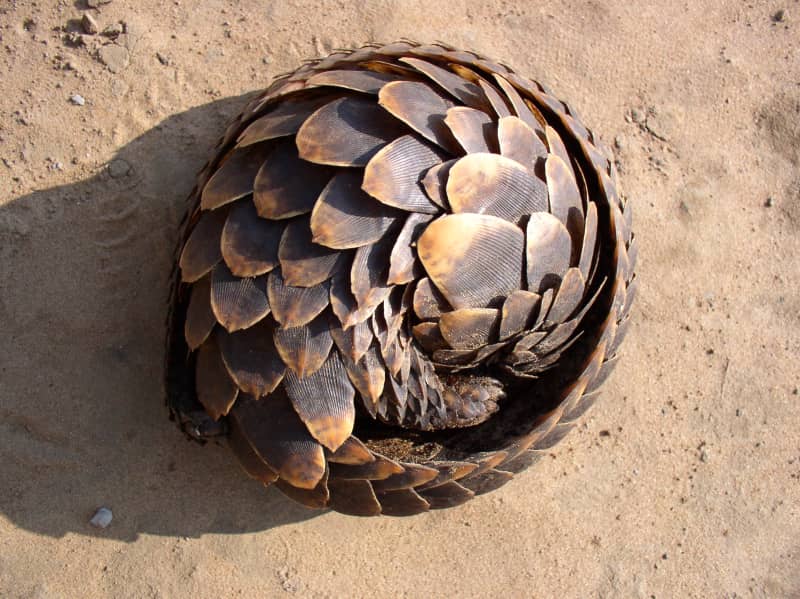
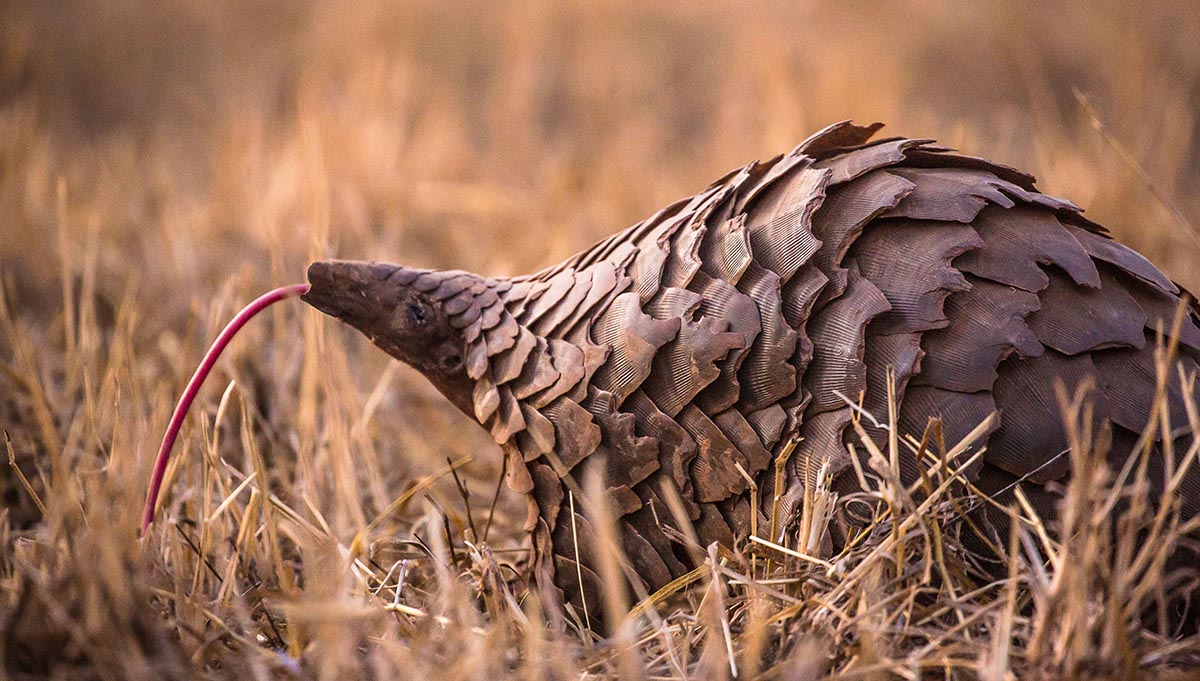
A Sunda Pangolin curled into a protective ball, showing its unique overlapping scales.
The Mystery of the Scaly Mammal and Its Final Fight for Survival
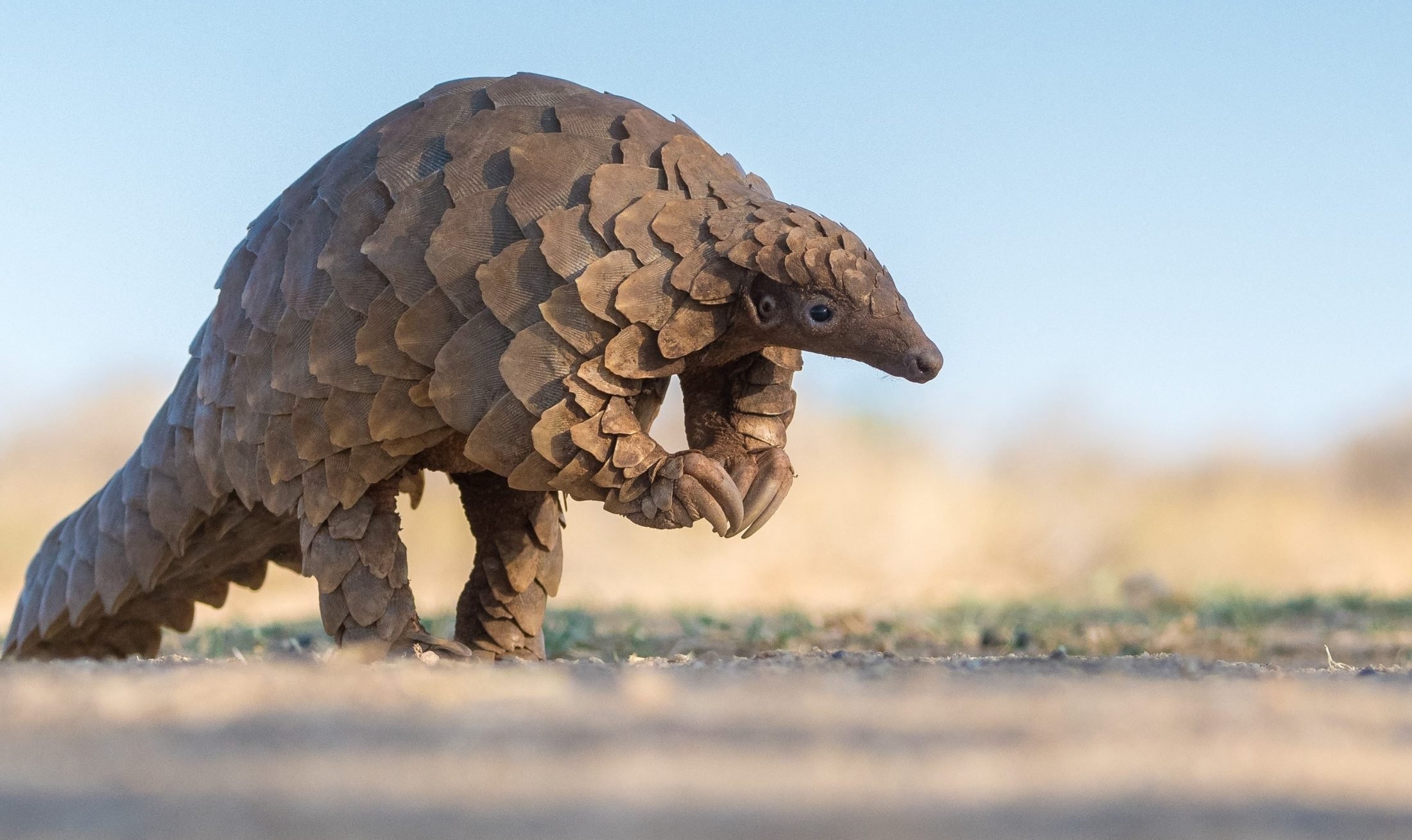
In the wild, there is a creature so unique that it looks like it belongs to a prehistoric era. Covered in scales as tough as armor and possessing an incredibly shy nature, this is the Pangolin. Often referred to as the "scaly anteater," the pangolin is a gentle being that poses no threat to humans. Yet, tragically, it holds the title of the "most trafficked mammal" in the world.
The Only Scaly Mammal
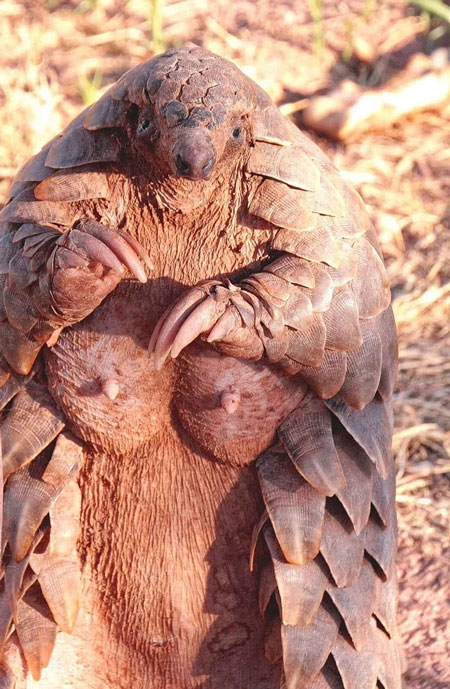
The first secret that makes the pangolin so special is its scales. It is the only mammal on Earth covered in hard, overlapping scales from head to tail. These scales are made of keratin—the same protein found in human fingernails and hair. When threatened, a pangolin rolls into a tight, impenetrable ball, a defense so effective that even a tiger’s fangs struggle to pierce it.
The Natural Pest Controller
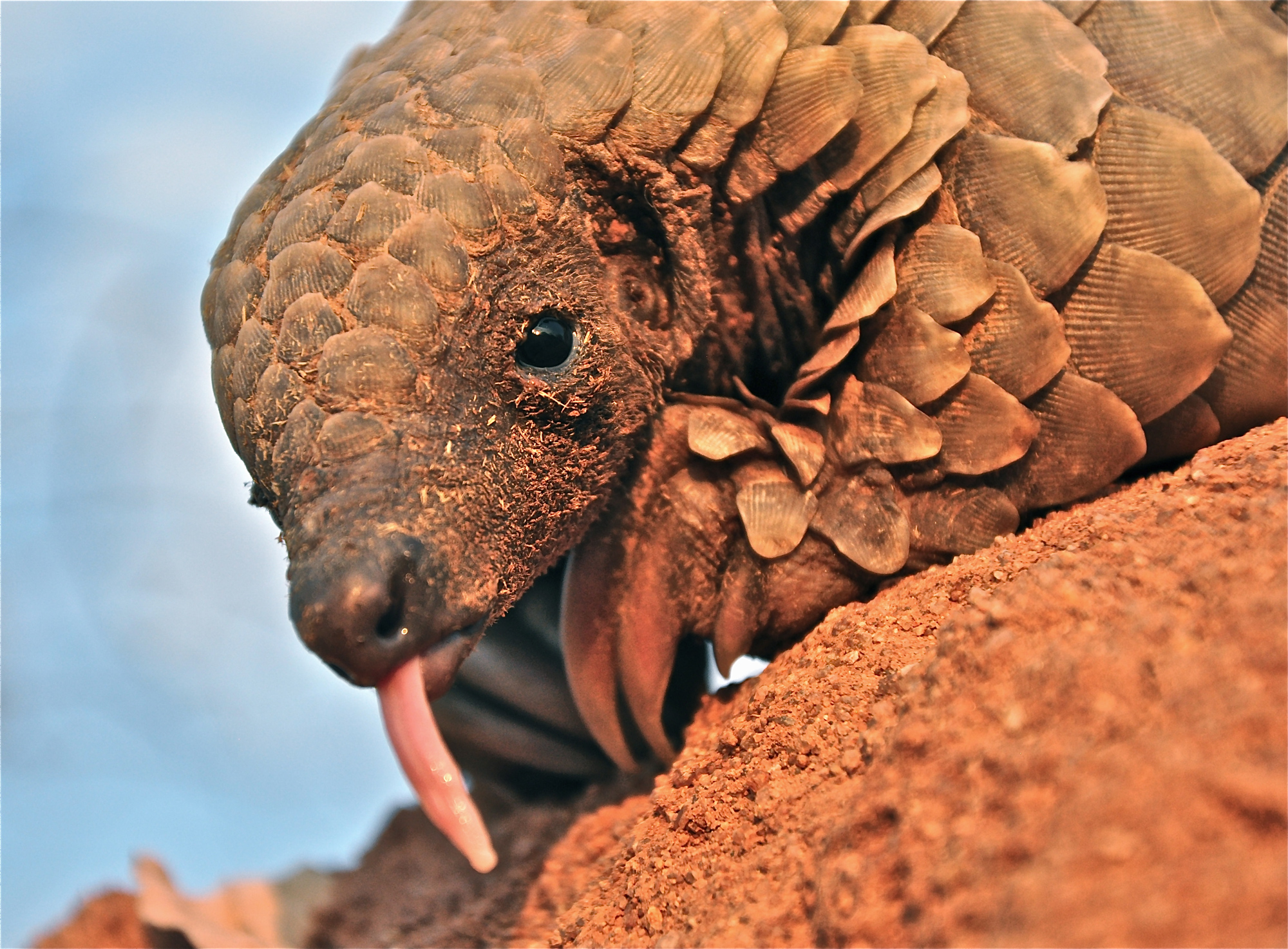
Pangolins don't have a single tooth. Instead, they possess an incredibly long, sticky tongue—sometimes longer than their actual body. They use this specialized tool to reach deep into ant and termite mounds. A single pangolin can consume up to 70 million insects in a year. This makes them "natural engineers," playing a vital role in protecting forests from termite damage.
Pangolins in Cambodia
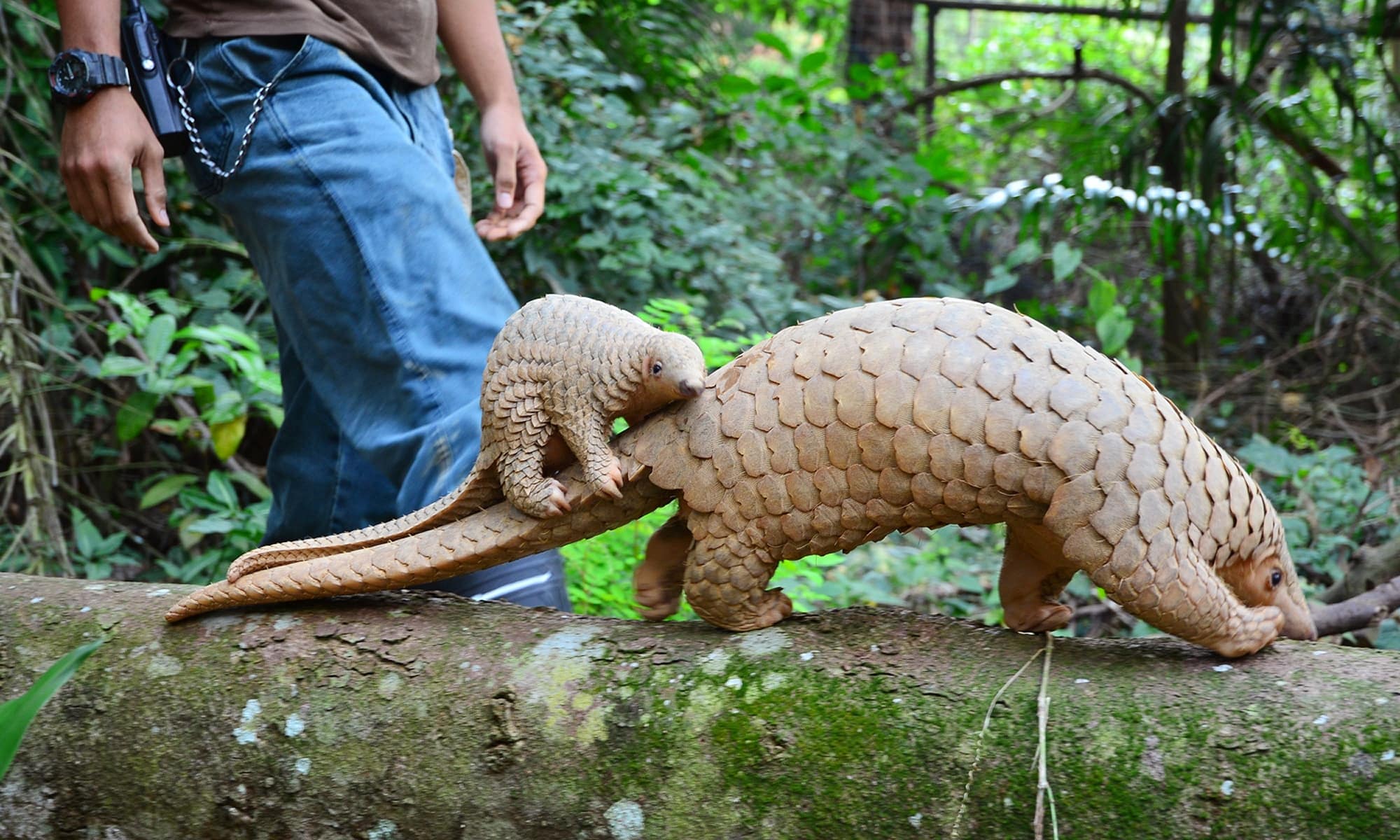
In Cambodia, we are home to the Sunda Pangolin (Manis javanica), found across forested highlands, especially the Cardamom Mountains. They are nocturnal and solitary, living in burrows or hollow trees. Sadly, their numbers have plummeted over the last two decades, leading them to be classified as Critically Endangered.
The Tragedy of Trafficking
Why is this gentle creature hunted so relentlessly?
- False Beliefs in Scales: Many believe pangolin scales have medicinal properties. However, science has proven that they are biologically identical to human fingernails and offer no medicinal benefit.
- Meat as a Luxury: In some cultures, pangolin meat is considered a high-status delicacy, often served to show off wealth and power.
Conservation: The Final Hope
Currently, organizations like Fauna & Flora International, Wildlife Alliance, and the Cambodian Ministry of Environment are working tirelessly to:
- Combat Trafficking: Seizing trafficked pangolins and releasing them back into safe habitats.
- Breeding Programs: Establishing rescue centers to breed and bolster the wild population.
- Education: Changing public perception to end the consumption of pangolin meat and scales.
The pangolin represents the gentleness and wonder of nature. Losing them means losing the balance of our ecosystem. As humans, we have a duty to protect these voiceless creatures. Let us "say no" to pangolin products and meat, ensuring that future generations will still have the chance to see this "scaly guardian of the forest."
References
- IUCN Red List: Manis javanica (Sunda Pangolin) status.
- Wildlife Alliance: Pangolin rescue and release programs in Cambodia.
- National Geographic: "The Most Trafficked Mammal You've Never Heard Of."
- Fauna & Flora International: Cambodia's Pangolin Conservation Project.
- Traffic.org: Reports on illegal wildlife trade in Southeast Asia.
Advertisement
Photo Gallery