Poison Dart Frogs

YEAN RATH
January 09, 2026 • 256 views
Advertisement

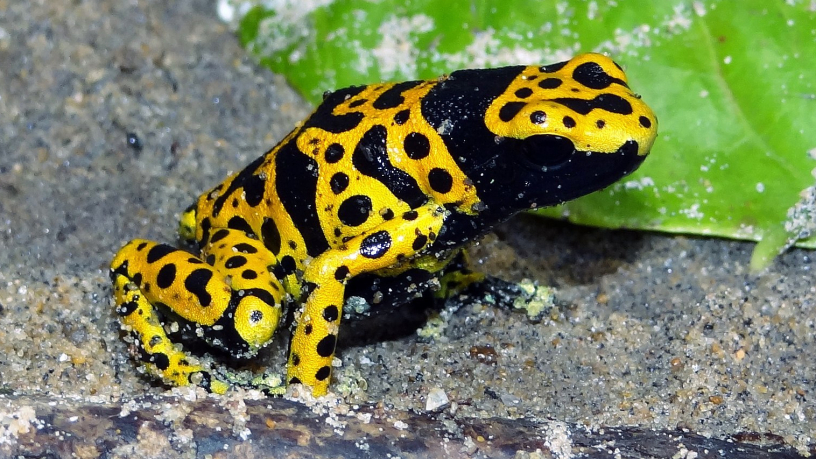
A brightly colored Golden Poison Dart Frog sitting on a green mossy leaf in a tropical rainforest.
The Vibrant Jewels of Death
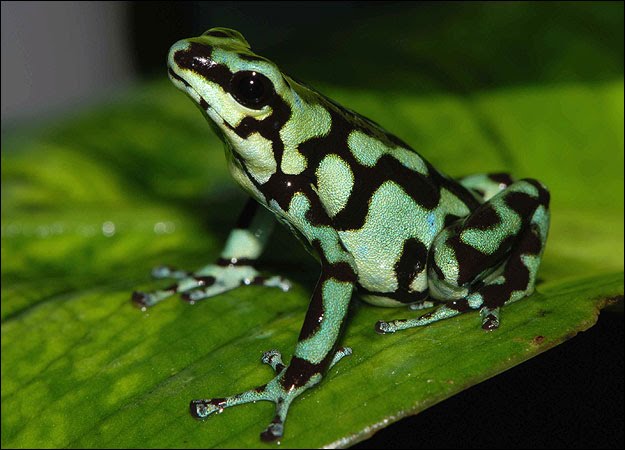
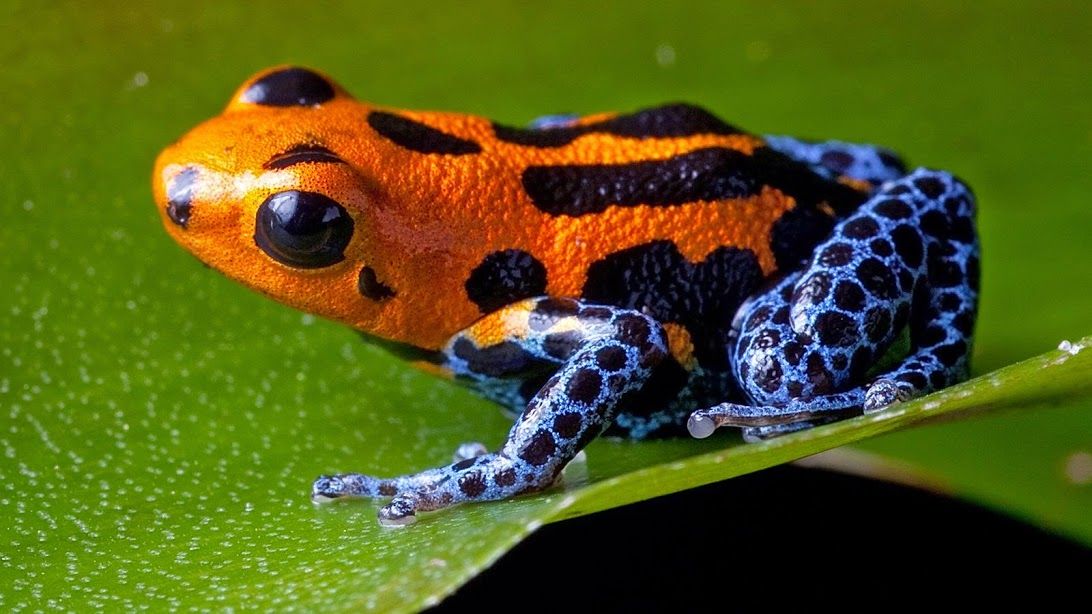
In the humid rainforests of Central and South America, tiny creatures that look like living jewels hop across the forest floor. They come in electric blue, neon yellow, and fiery red. But do not let this dazzling beauty fool you. These are the Poison Dart Frogs, some of the most toxic animals on Earth.
Aposematism: Beauty as a Warning
While most animals use camouflage to hide, these frogs do the exact opposite. Their brilliant coloration is a defense strategy known as aposematism. It is a visual warning to any potential predator: "Eat me, and you will regret it!"
The Science of Toxicity
Poison dart frogs are not born toxic. Scientists have discovered that frogs raised in captivity are completely harmless. Their lethal secretions come from their wild diet: specific species of ants, spiders, and mites that contain alkaloids. The frogs ingest these toxins and excrete them through their skin as a defensive chemical shield.
Among them, the Golden Poison Frog (Phyllobates terribilis) is the deadliest. Its skin is coated in a powerful neurotoxin called batrachotoxin. A single frog, no larger than a human thumb, carries enough poison to kill 10 grown men or 20,000 mice.
The Origin of the Name
Why are they called "dart frogs"? The name originates from indigenous tribes in Colombia, such as the Emberá people. Hunters would carefully rub the tips of their blowgun darts across the backs of live frogs. The neurotoxins on the darts could remain lethal for up to a year, capable of bringing down birds or monkeys almost instantly.
The Devoted Parents
Despite their deadly reputation, they are remarkably devoted parents.
- Guarding: After the female lays eggs, the male often guards them from predators.
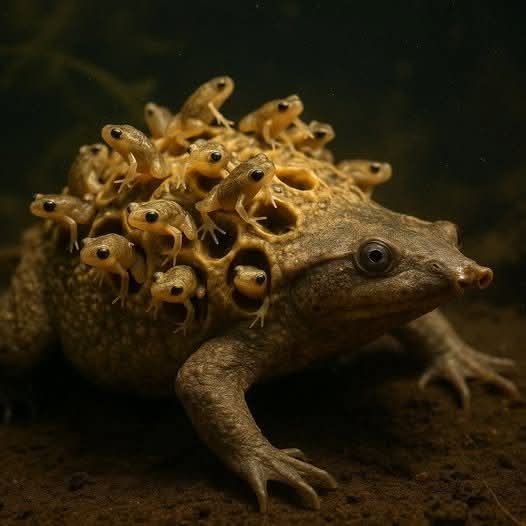
- The Backpackers: Once the tadpoles hatch, the parent allows them to wriggle onto their back and carries them high into the rainforest canopy.
- The Nursery: They place each tadpole in a tiny pool of water trapped inside a Bromeliad flower. The mother returns periodically to lay unfertilized eggs in the pool to feed her growing offspring.
Threats and Conservation
Like many rainforest dwellers, poison dart frogs face threats from habitat loss due to deforestation and climate change. Additionally, they are highly susceptible to the chytrid fungus, a devastating disease that has wiped out amphibian populations globally.
The poison dart frog is a testament to nature's complexity and balance. It proves that power is not measured by size and that beauty can be the ultimate weapon. Protecting their habitat is not just about saving a colorful frog; it is about preserving the delicate balance of the rainforest ecosystem itself.
References
- National Geographic: Poison Dart Frog Facts and Photos.
- Smithsonian's National Zoo: Golden Poison Frog Conservation.
- American Museum of Natural History (AMNH): The Chemistry of Poison Dart Frogs.
- Zhu, J., et al. (2017). Ecology and Evolution of Dendrobatid Frogs.
- IUCN Red List: Status of Threatened Amphibians.
Advertisement
Photo Gallery