The Polar Bear

yean rath
January 30, 2026 • 173 views
Advertisement

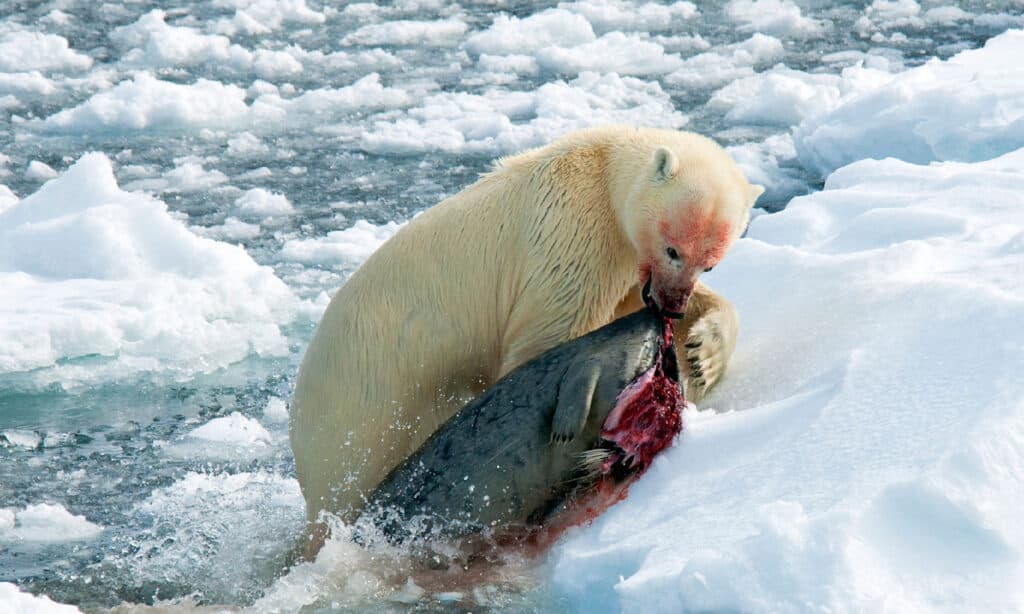
A majestic Polar Bear walking on a vast iceberg in the Arctic under the golden sun.
The White King of the Arctic and Its Race Against Time
At the northernmost tip of our planet, where temperatures drop to deadly levels and ice stretches to the horizon, lives a powerful giant: the Polar Bear (Ursus maritimus). While known as the world's largest land carnivore, scientists actually classify them as "marine mammals" because their entire existence is tied to the icy sea.
The Secret Beneath the White Fur
Did you know that polar bears don't actually have white fur?
- Fur: Their hair is actually translucent and hollow, reflecting light to appear white for camouflage in the snow.
- Skin: Underneath that thick coat, polar bears have jet-black skin. This black skin is crucial for absorbing as much solar heat as possible.
- Blubber: They also possess a layer of fat up to 10 cm thick, which acts as a powerful insulator against the freezing Arctic waters.
Expert Swimmers and Hunters
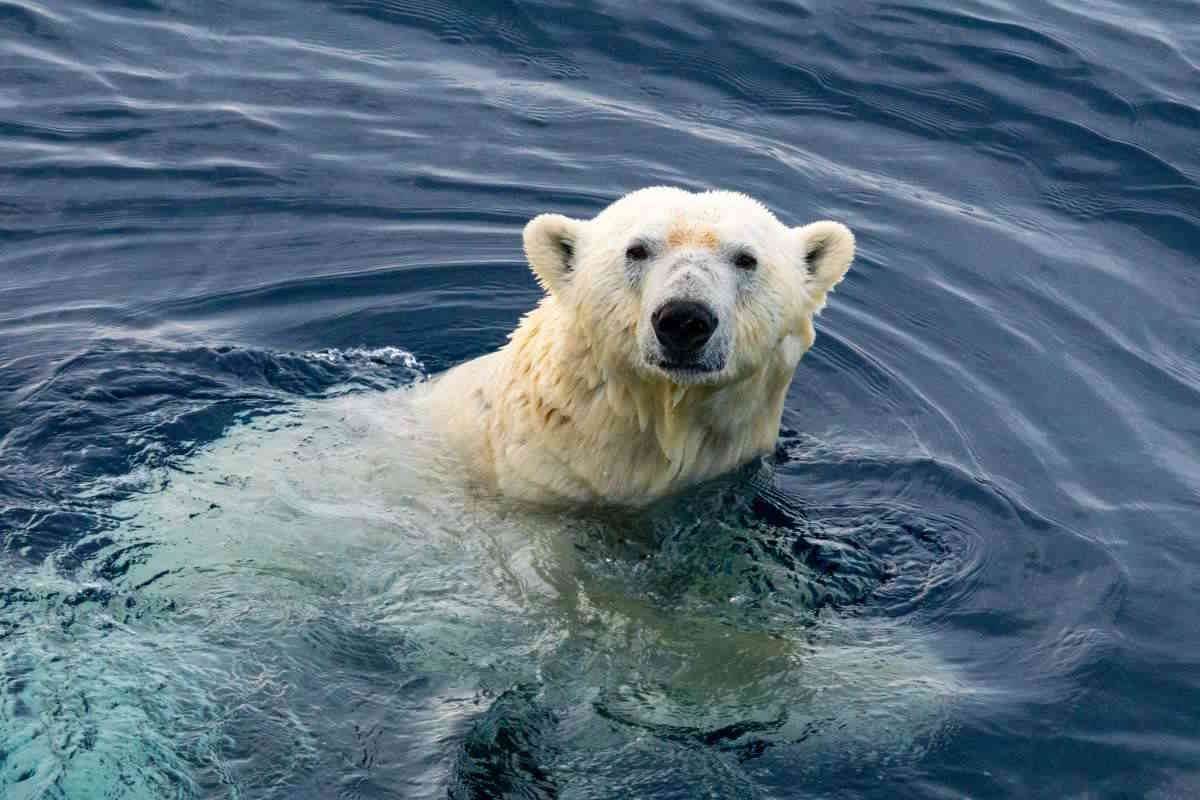
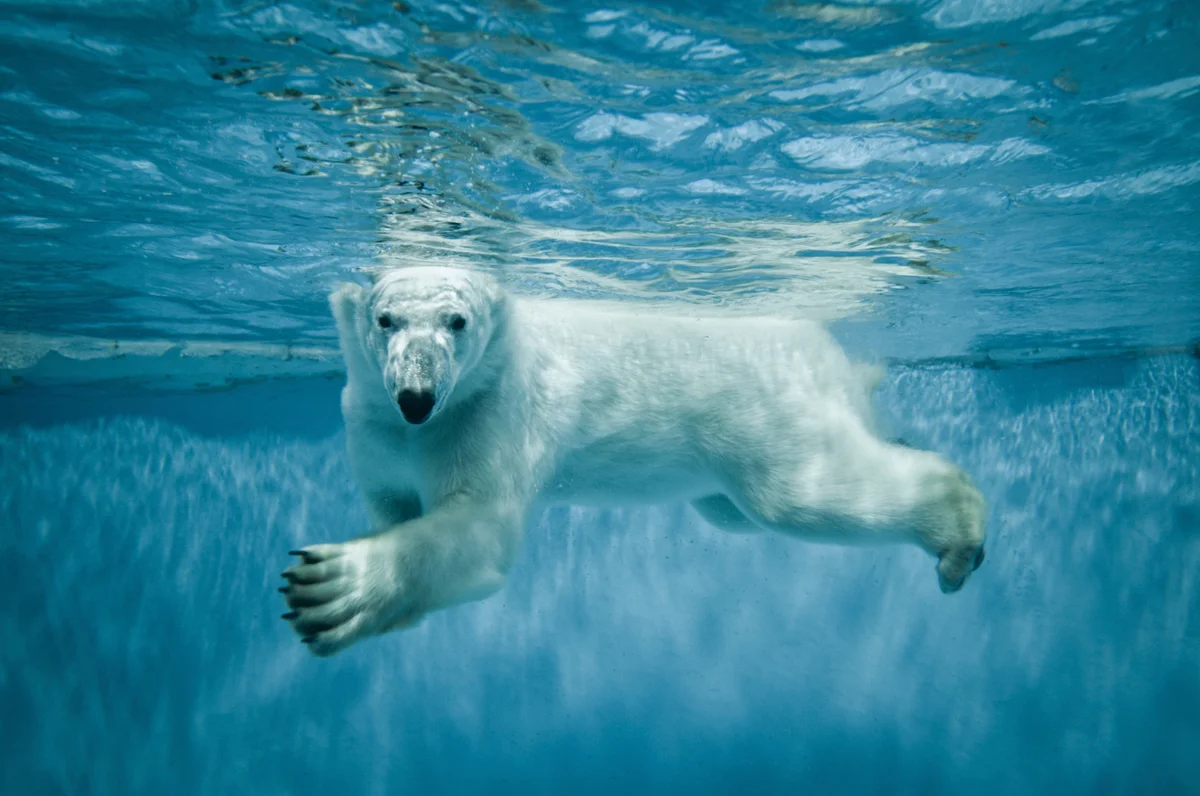
Polar bears are elite swimmers. They can swim for days at a time, covering hundreds of miles from shore at speeds of up to 10 km/h, using their massive front paws like oars.
Their primary diet consists of seals. Their sense of smell is so acute they can catch the scent of a seal from over 1 km away, even if it's under a meter of solid ice. Their favorite tactic is the "still hunt," where they wait patiently for hours by a seal's breathing hole in the ice.
Intelligence and Adaptation
Despite their size (males can weigh up to 800 kg), polar bears are highly intelligent. They have been observed using ice or snow to cover their black noses when stalking prey to blend perfectly into the landscape.
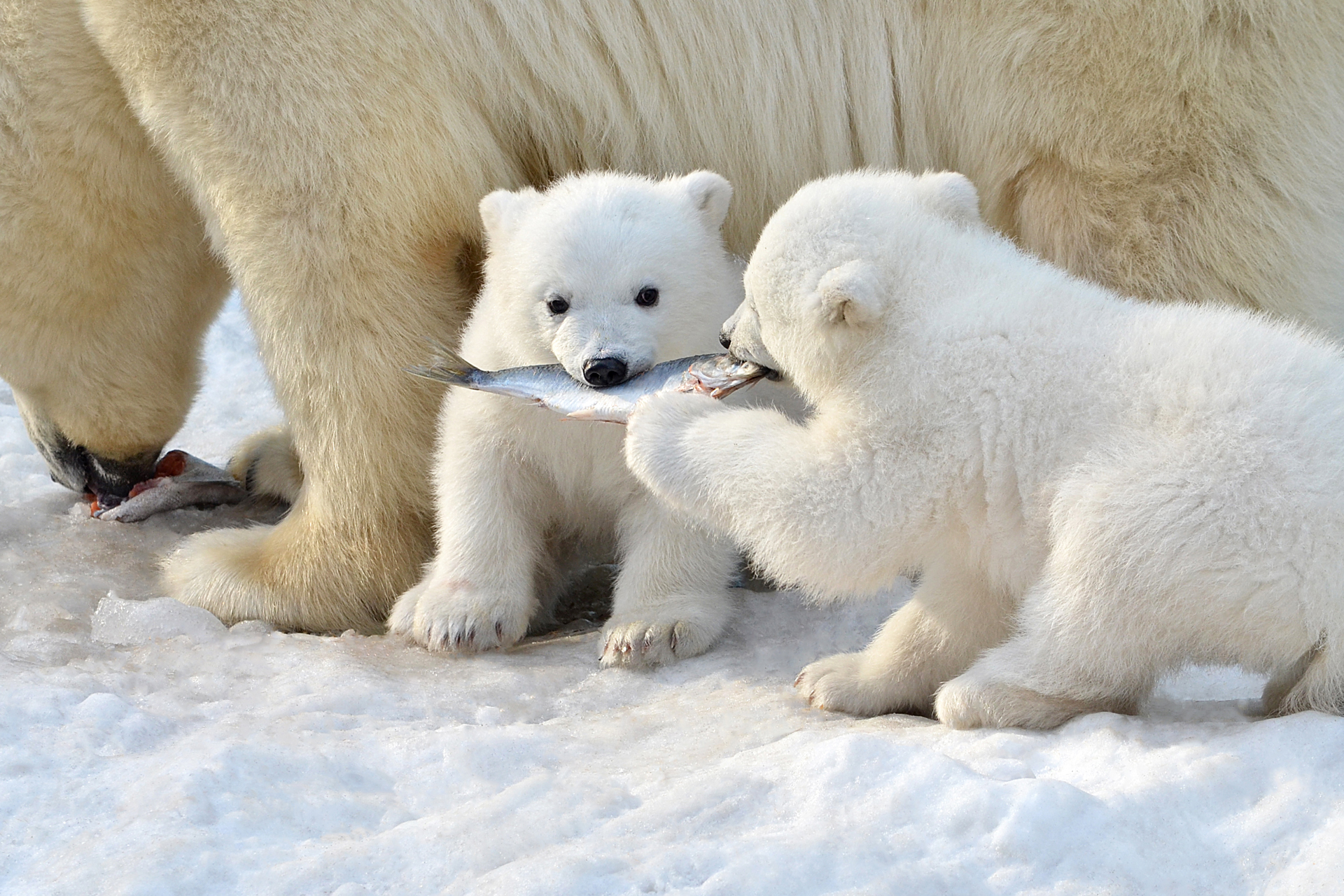
For reproduction, female polar bears dig maternity dens in snowdrifts to give birth and nurse their cubs through the long winter. Newborn cubs are tiny, but they grow rapidly thanks to their mother's milk, which contains about 30% fat.
The Climate Change Crisis
This is the most tragic reality: Polar bears are losing their homes. Global warming is causing Arctic sea ice to melt earlier and form later each year. Without sea ice, they cannot hunt seals, leading to starvation or forcing them into human settlements in search of food.
According to the IUCN, polar bears are classified as Vulnerable. If current trends continue, scientists fear their population could drop by 30% by the year 2050.
The polar bear is not just a symbol of Arctic beauty and power; it is an "indicator" of our planet's health. The melting Arctic ice is not just a problem for bears; it is a warning for all of humanity. Protecting the environment and reducing greenhouse gas emissions is the only way to ensure this white king remains part of our world.
References
- Polar Bears International: Understanding Polar Bear Biology and Conservation.
- World Wildlife Fund (WWF): Polar Bear Population and Climate Change Impacts.
- National Geographic: Ursus maritimus - Species Profile.
- IUCN Red List: The Status of Polar Bears in the Wild.
- NASA Climate Change: Arctic Sea Ice Minimum Records.
Advertisement
Photo Gallery