The Mainland Serow

yean rath
January 31, 2026 • 93 views
Advertisement
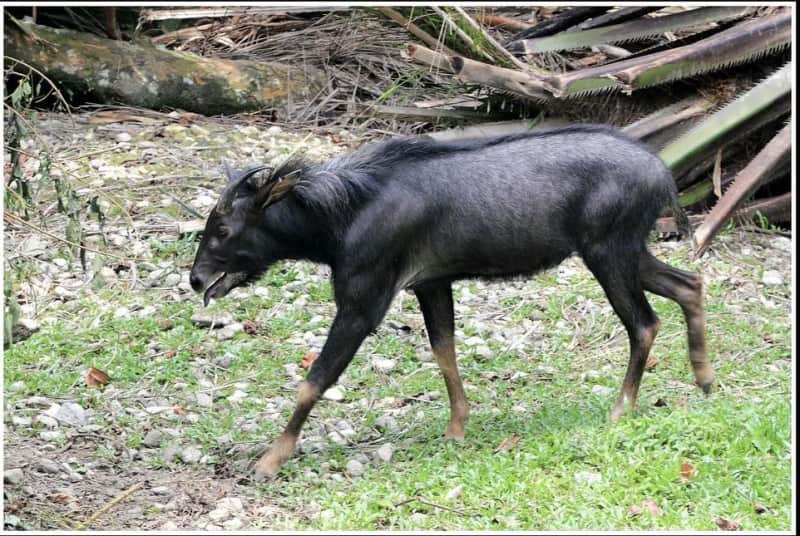
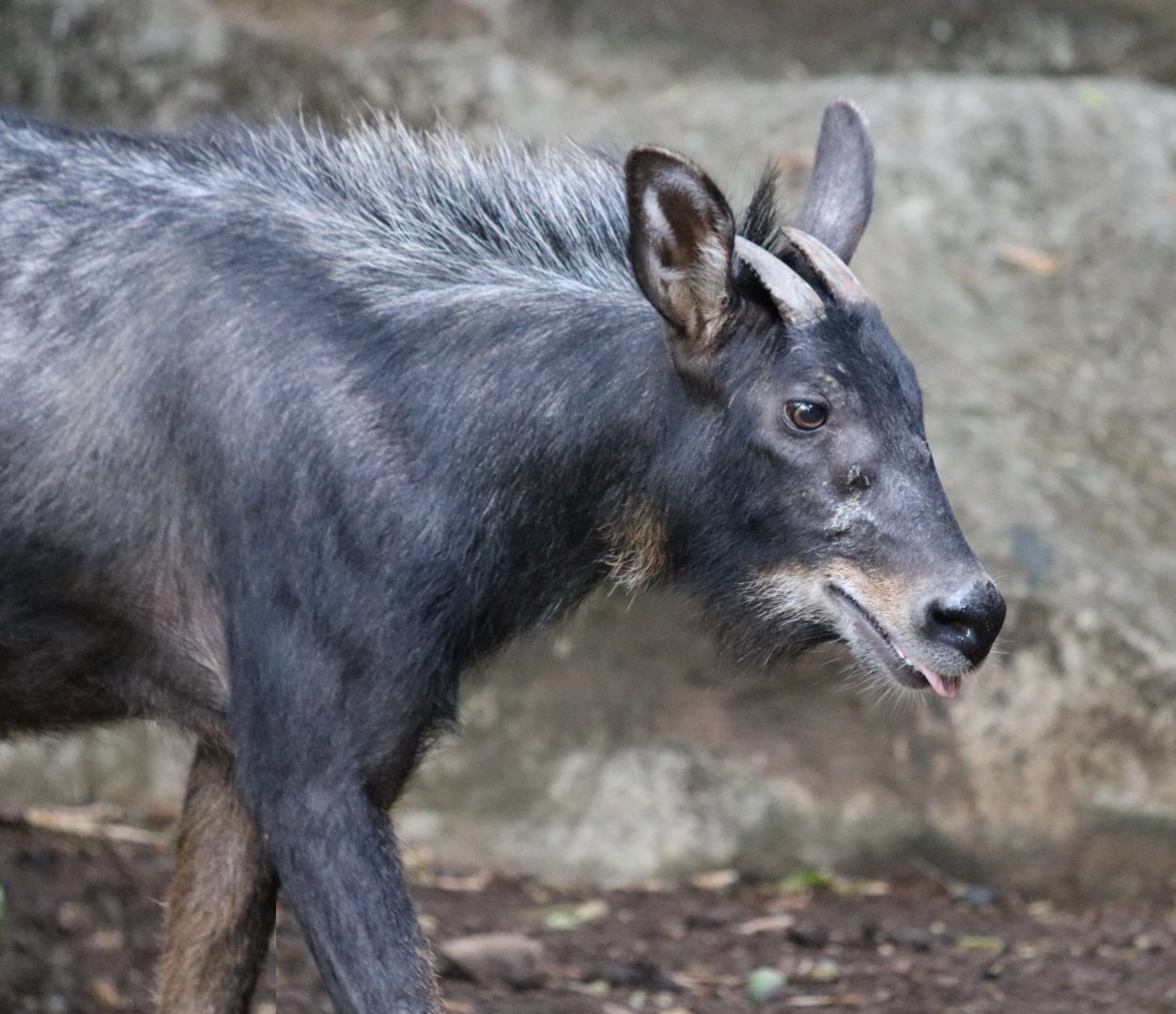
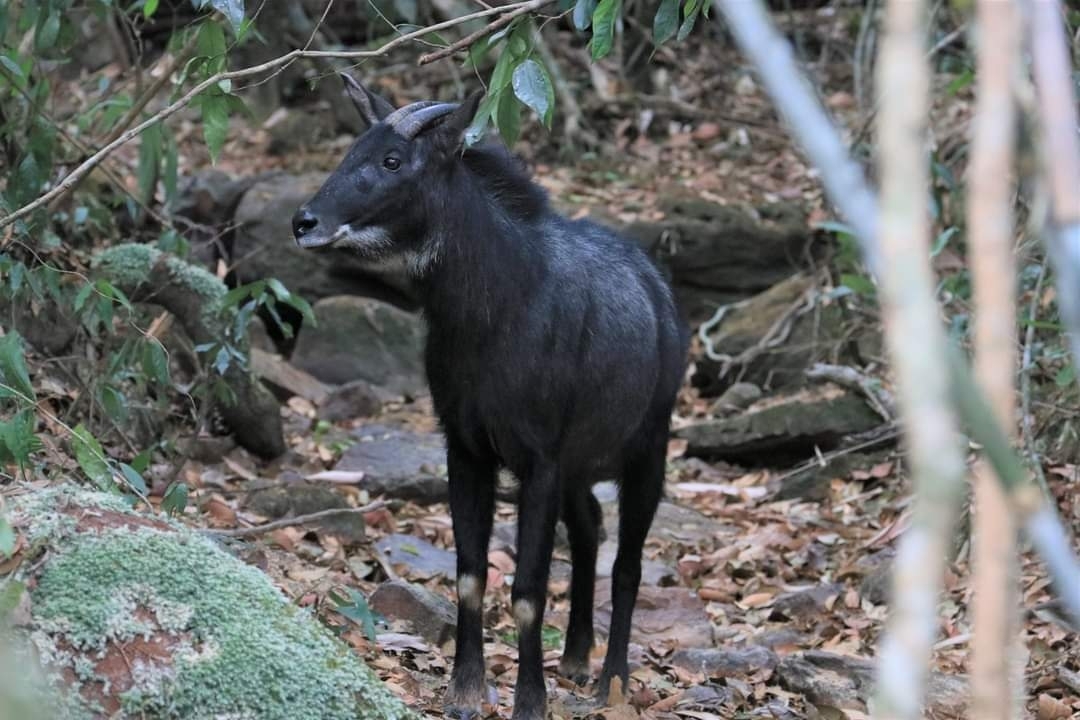
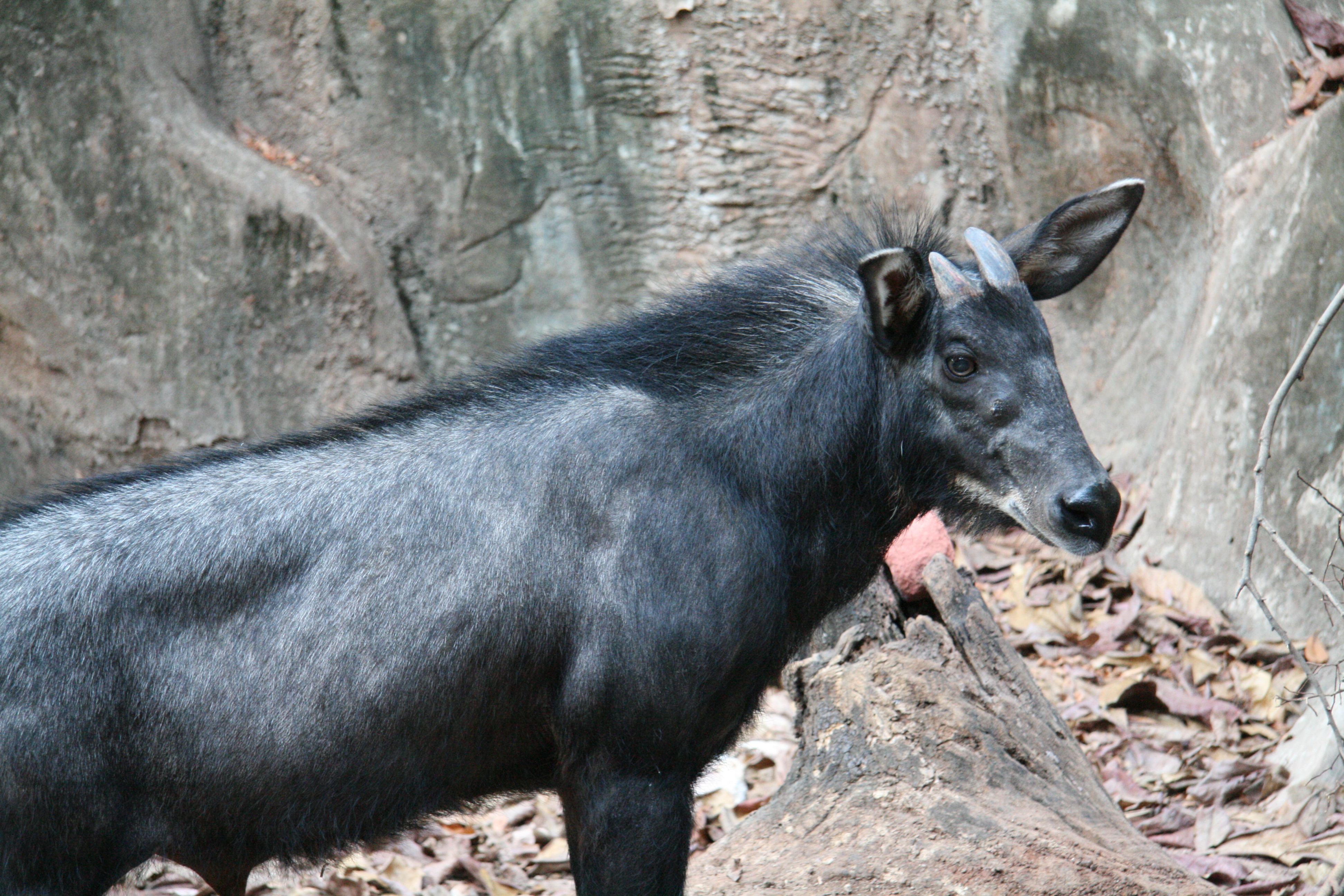
A Mainland Serow standing on a steep limestone cliff, showing its dark fur and short horns.
The Mountain Guardian and Its Struggle in the Wild
Among the rare wildlife inhabiting the mountain ranges and limestone karsts of Cambodia, the Mainland Serow (Capricornis milneedwardsii) is considered one of the most enigmatic. With its piercing gaze, thick dark fur, and the incredible ability to leap across steep cliffs, it is the true guardian of the high peaks—a creature seldom seen by human eyes.
What Exactly is a Serow?
Most people mistake the Serow for a wild goat, but it is actually a unique hybrid-like member of the Bovidae family. Scientists often refer to it as a "goat-antelope" due to its shared characteristics. The Serow has a robust build:
- Coat: Dark grey or black, with a long, coarse mane running down its neck.
- Horns: Both males and females sport short, slightly curved black horns.
- Glands: It possesses large preorbital glands under its eyes, used to mark its territory with scent.
The Master of the Cliffs
The secret to the Serow’s survival against predators like leopards or clouded leopards lies in its habitat. They prefer steep limestone cliffs and rugged mountain terrain. Their hooves are specially adapted to grip slippery, near-vertical surfaces that other animals cannot scale. They are primarily solitary animals and are masters of camouflage. During the day, they hide in mountain caves or thick vegetation, emerging to forage only during the twilight hours of dawn and dusk.
The Serow in Cambodia
In Cambodia, the Serow is found in several major protected areas, including:
- The Cardamom Mountains: Its most significant stronghold.
- The mountainous regions of Mondulkiri and Ratanakiri.
- The Dangrek Mountains and certain areas in Preah Vihear. However, even in these remote areas, they face severe threats from habitat loss and illegal snaring.
Misconceptions and Threats
The Serow's greatest enemies are "snares" and "superstition." There is a long-standing, unfounded belief that the bones, skull, and oil of the Serow possess medicinal properties for treating rheumatism or strengthening bones. This lack of scientific grounding has driven the illegal hunting and trade of Serow parts in the black market. Furthermore, deforestation for agriculture and limestone quarrying for construction continue to destroy their natural homes.
Conservation: Hope for the Guardian
Today, the Mainland Serow is listed as Near Threatened on the IUCN Red List. In Cambodia, it is a strictly protected species by law. Efforts by the Ministry of Environment and partners like Wildlife Alliance, WCS, and WWF in removing snares and educating local communities are vital. We must shift the mindset from using "wildlife medicine" to practicing "wildlife conservation."
The Serow is a symbol of the resilience and biological richness of Cambodia’s highlands. Losing the Serow would not just be the loss of a single species, but the collapse of the delicate balance within our mountain ecosystems. Protecting the Serow is a collective responsibility, ensuring that the silhouette of this "mountain guardian" remains visible against our limestone peaks forever.
References
- IUCN Red List of Threatened Species: Mainland Serow (Capricornis milneedwardsii).
- WWF Cambodia: Species Profiles - The Mainland Serow.
- Wildlife Alliance: Protecting the Cardamom Rainforest Landscape.
- Francis, C. M. (2008): A Guide to the Mammals of Southeast Asia.
- Ministry of Environment, Cambodia: State of the Environment Report.
Advertisement
Photo Gallery