The Shoebill

yean rath
January 24, 2026 • 187 views
Advertisement

shoebill-stork-living-dinosaur-facts
The Shoebill is classified as Vulnerable by the IUCN,
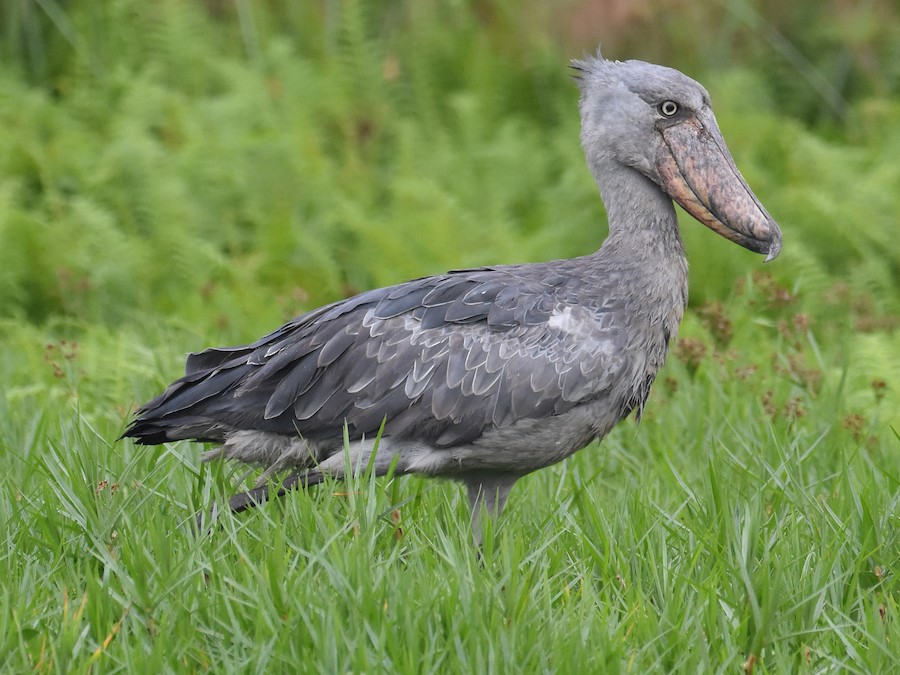
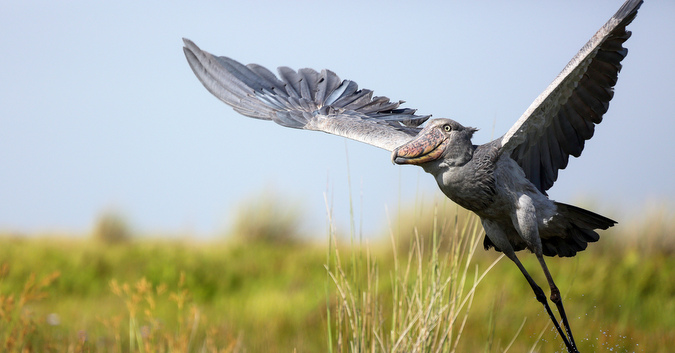
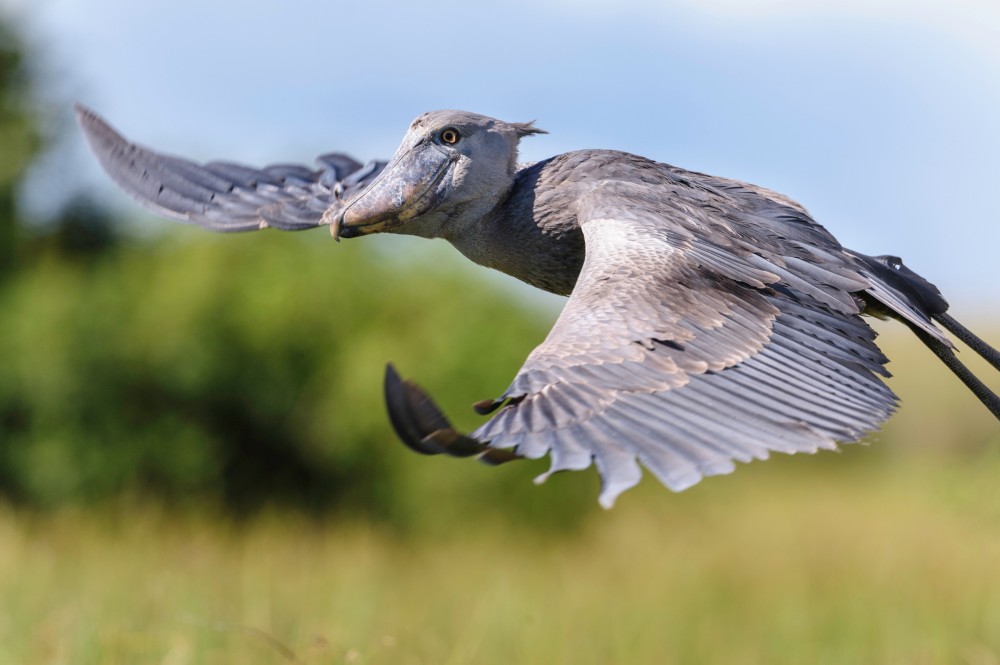
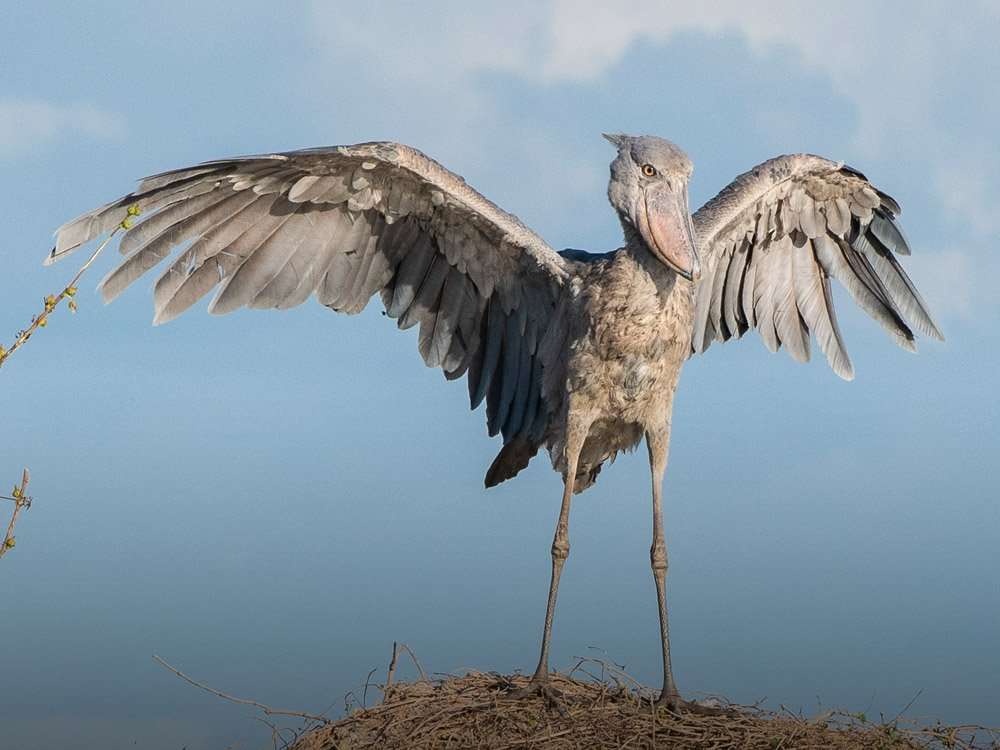
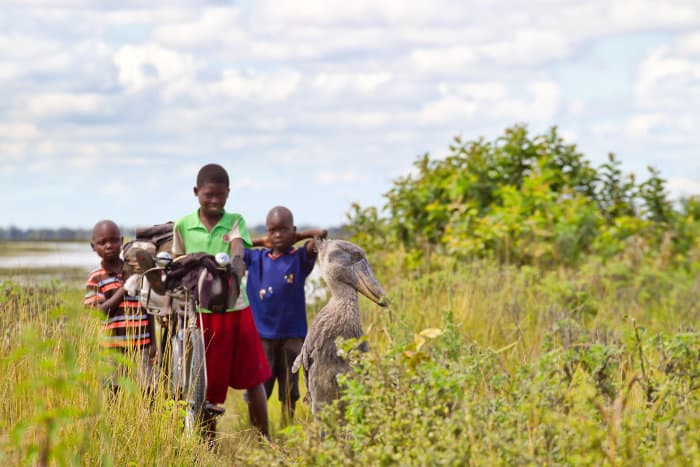
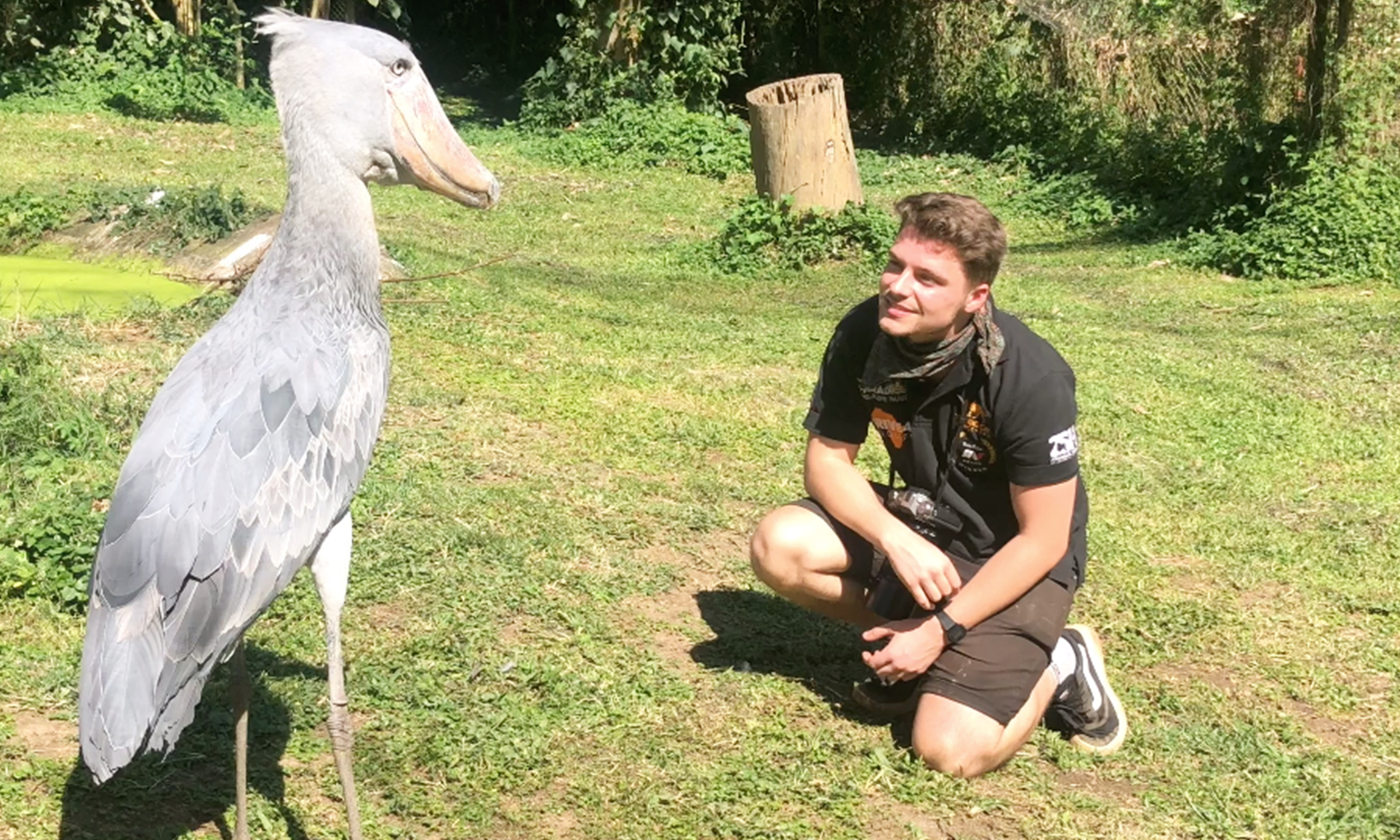
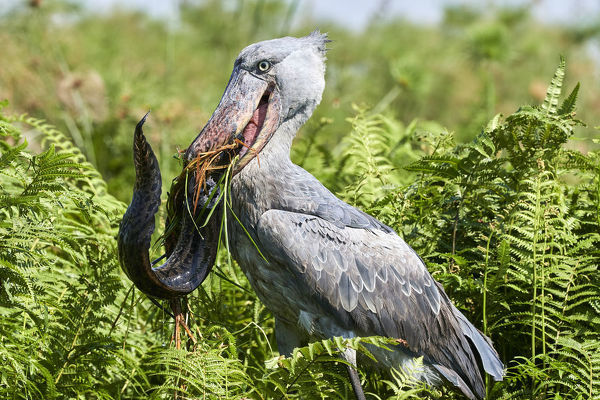
If you stumbled into the swamps of East Africa and met this creature, you might think you had traveled back in time to the Jurassic era. With its towering height, massive beak, and a stare that could freeze your blood, the Shoebill (Balaeniceps rex) is easily one of the most intimidating and fascinating birds on the planet.
The Shoe-Beak and the Machine Gun Sound
The name "Shoebill" comes from its massive beak, shaped unmistakably like a large wooden Dutch clog.
- A Lethal Weapon: This beak isn't just for show. Measuring over 20 cm long with razor-sharp edges, it acts like a guillotine, capable of decapitating large fish or even baby crocodiles in a single strike.
- The Machine Gun: Shoebills don't tweet. Instead, they communicate by clattering their mandibles together. The resulting sound is terrifyingly similar to a machine gun firing or a tree being chopped down, echoing through the swamps.
The Master of Patience
The Shoebill is the "statue" of the animal kingdom. It can stand absolutely motionless in the water for hours, waiting for prey. When an unlucky lungfish comes up for air, the bird collapses its entire body forward in a split-second strike known as a "collapse." It is the ultimate ambush predator—patience personified.
The Dark Side: Siblicide
While they are dedicated parents, life as a Shoebill chick is brutal. Shoebills typically lay two eggs, but usually, only one survives. This is due to a phenomenon called Siblicide. The first-hatched chick (bigger and stronger) will bully, bite, and attack the younger sibling. The parents do not intervene; they focus their energy and food on the stronger chick, letting the weaker one perish. It is nature’s cruel insurance policy.
Conservation Status
The Shoebill is classified as Vulnerable by the IUCN, with only about 3,300 to 5,300 individuals left in the wild. Habitat destruction from farming, fires, and the illegal pet trade (driven by their unique, dinosaur-like appearance) are pushing this species toward the edge.
The Shoebill commands both fear and respect. Its prehistoric look and silent demeanor serve as a reminder that nature isn't just beautiful—it's raw, powerful, and deeply mysterious. Protecting these living dinosaurs ensures that the swamps of Africa keep their ancient guardians.
References
- IUCN Red List of Threatened Species. Balaeniceps rex.
- Audubon Society. "The Shoebill: A Great Big Bird with a Great Big Beak."
- National Geographic. "Shoebill Stork Facts and Photos."
- Mullers, R.H., et al. (2018). The Shoebill: Biology and Conservation.
Advertisement
Photo Gallery