The Sun Bear

yean rath
January 09, 2026 • 135 views
Advertisement

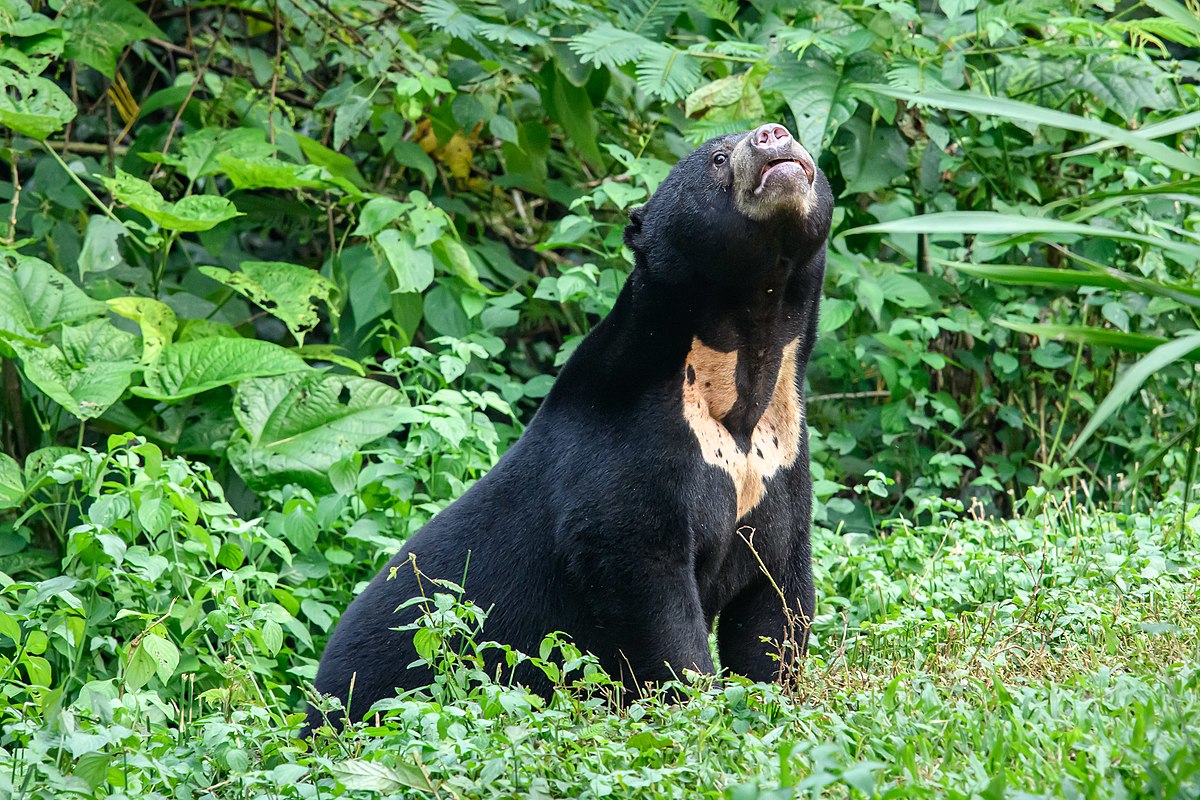
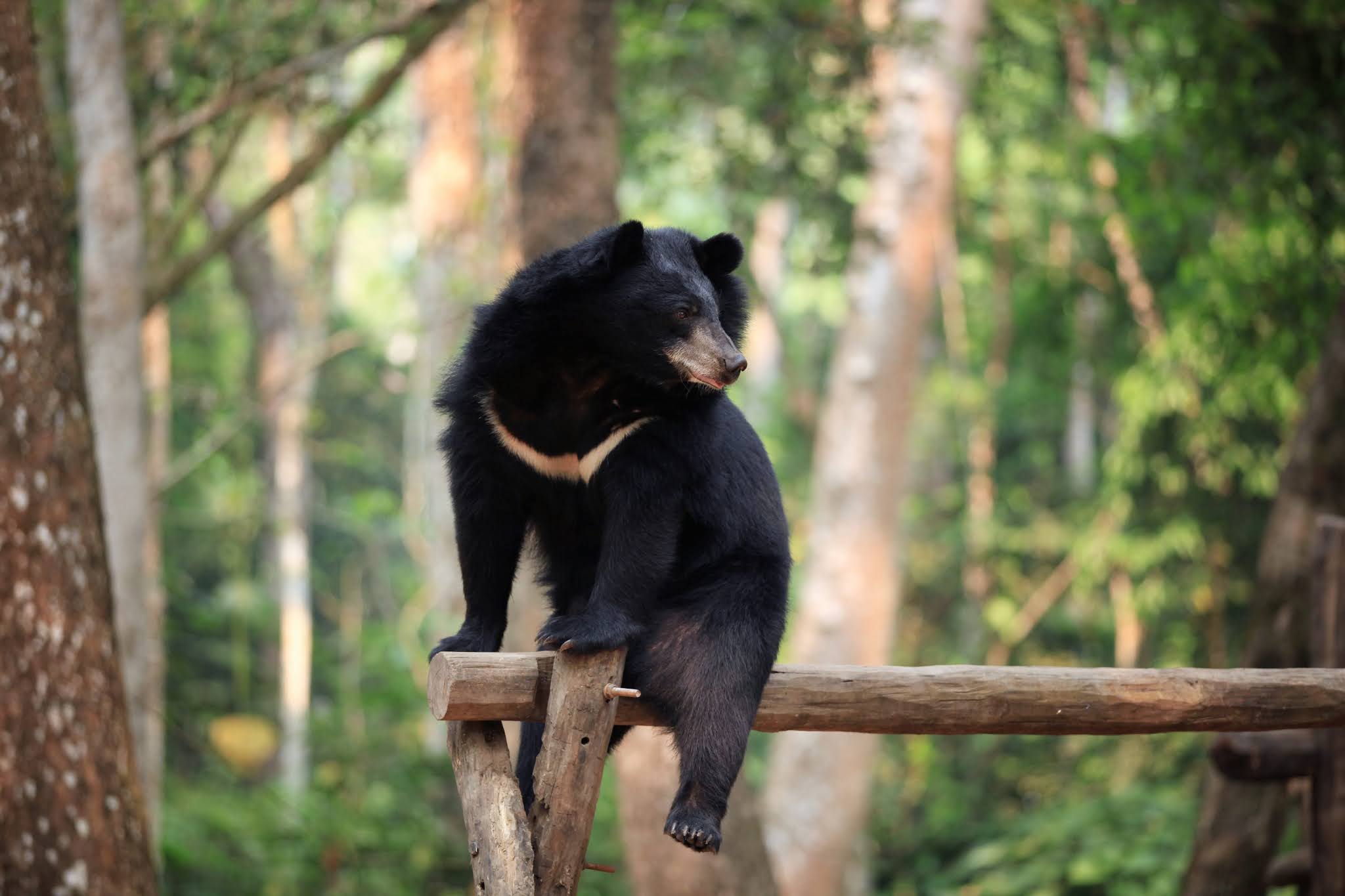
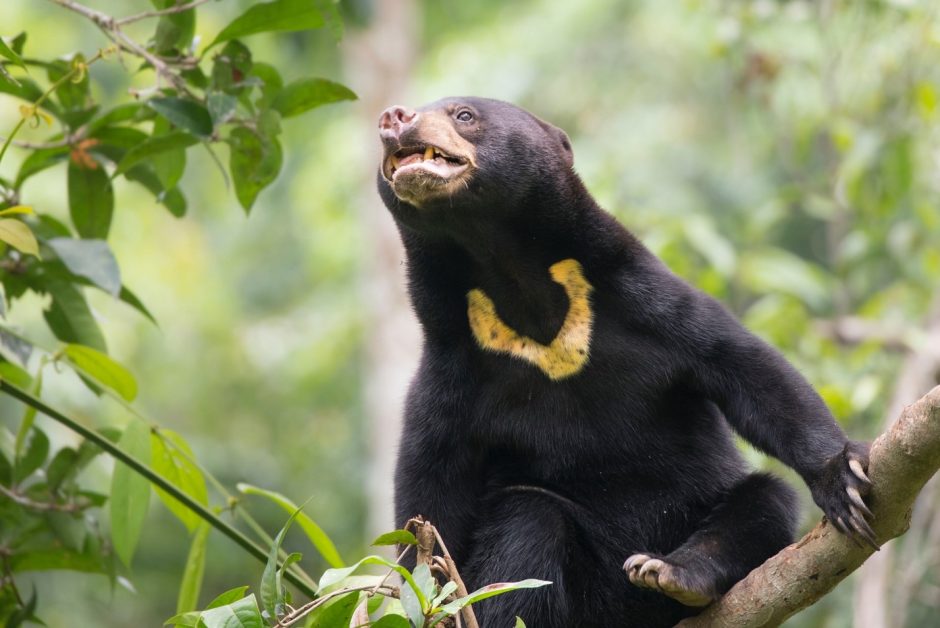
ខ្លាឃ្មុំព្រះអាទិត្យឈរដោយជើងក្រោយ បង្ហាញពីសញ្ញាពណ៌ទឹកក្រូចរាងអក្សរ U នៅលើទ្រូងរបស់វា។
The Forest Guardian and the World's Most Overlooked Bear
If you venture into the dense tropical rainforests of Southeast Asia and hear short barks or the sound of tearing wood, you might be near one of the most unique creatures on Earth. Despite being called a "bear," it is barely larger than a large dog. This is the Sun Bear (Helarctos malayanus), often affectionately known as the "Honey Bear."
Why the "Sun"?
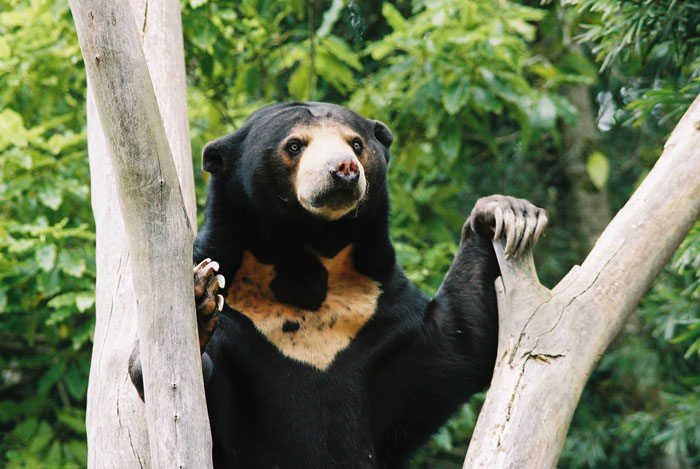
ឈ្មោះ "ព្រះអាទិត្យ" មិនមែនមកពីវាចូលចិត្តកម្តៅថ្ងៃនោះទេ ប៉ុន្តែវាបានមកពីសញ្ញាសម្គាល់ពិសេសមួយនៅលើទ្រូងរបស់វា។ ខ្លាឃ្មុំប្រភេទនេះមានរោមពណ៌ខ្មៅរលើបរលោងស្ទើរតែពេញរាងកាយ ប៉ុន្តែនៅត្រង់ទ្រូង វាមានរោមពណ៌ទឹកក្រូច ឬពណ៌លឿងខ្ចី រាងដូចជាអក្សរ "U" ឬរាងពាក់កណ្តាលរង្វង់។ សញ្ញានេះមើលទៅដូចជា "ព្រះអាទិត្យកំពុងរះ"។ តាមជំនឿរឿងព្រេងខ្លះ សញ្ញានេះតំណាងឱ្យពន្លឺ និងថាមពលនៃព្រៃឈើ។
The Forest Engineer and Its Incredible Tongue
Sun Bears are true "Forest Engineers." Their diet primarily consists of insects like termites and beetle larvae. Using their exceptionally long, curved claws, they tear apart decaying wood or dig into the earth. This helps the ecosystem by:
- Creating Habitats: Their excavations create hollows in trees used by birds and other small animals for nesting.
- Nutrient Cycling: Digging promotes soil aeration and speeds up the decomposition of organic matter.
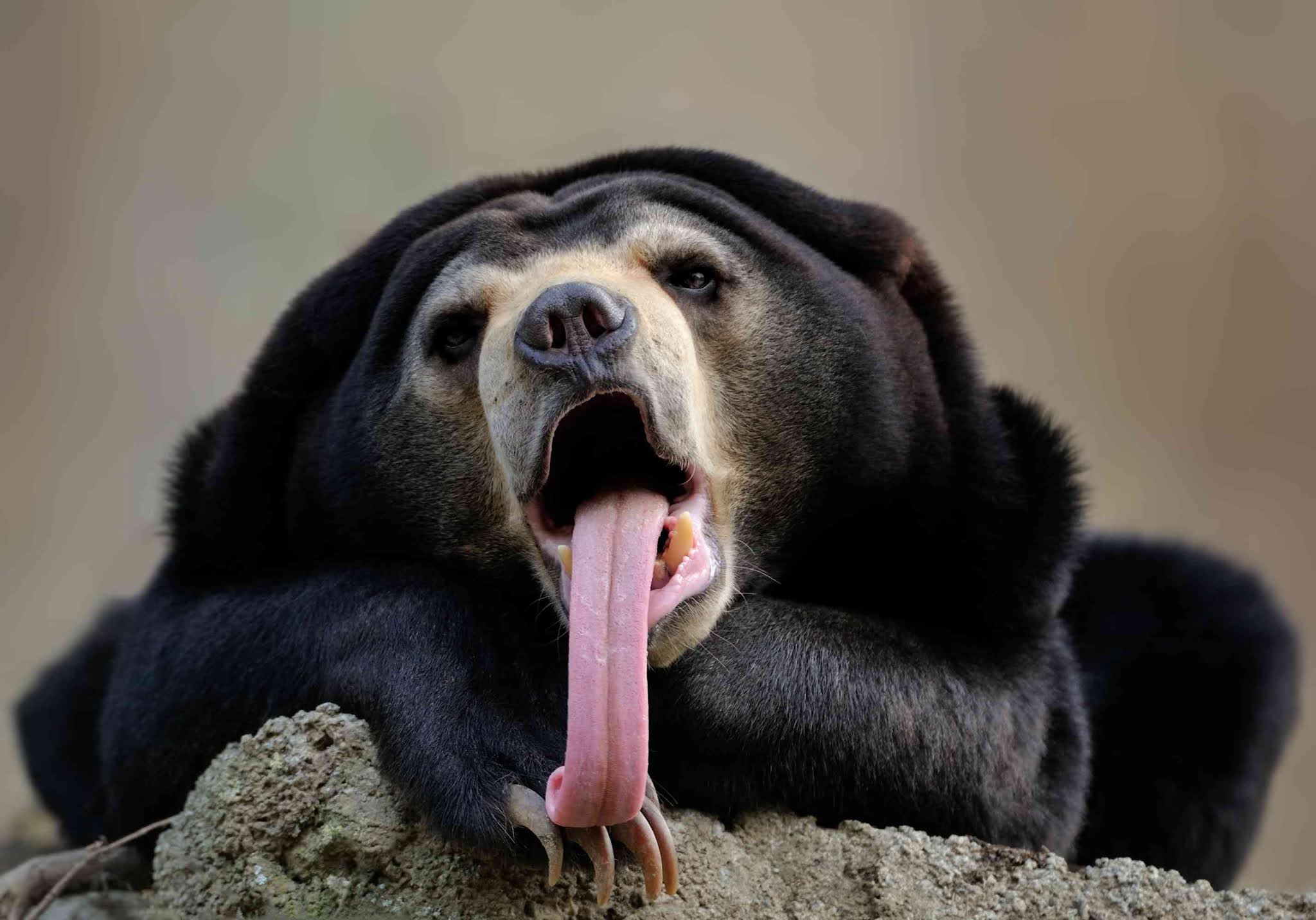
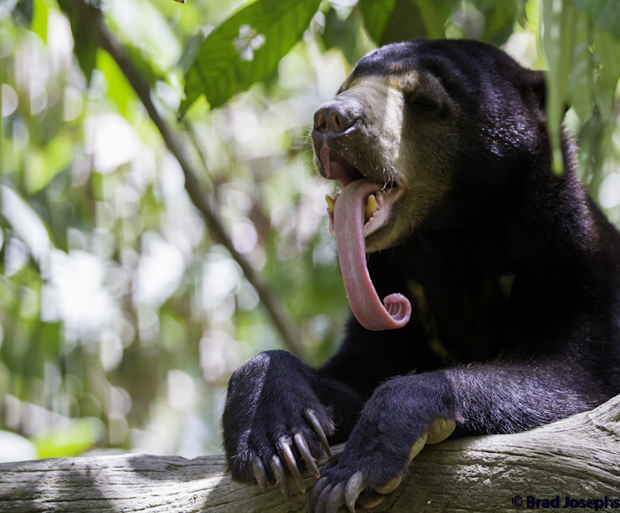
But their most surprising feature is their tongue. A Sun Bear’s tongue can reach up to 25 centimeters (10 inches) in length! This extraordinarily long, sticky tool allows them to extract honey and insects from the deepest tree crevices with surgical precision.
Small but Mighty
As the smallest of the world's eight bear species (weighing between 25 to 65 kg), the Sun Bear is small but mighty. They possess incredibly loose skin around their necks. This is a brilliant defense mechanism: if a predator like a tiger grabs them by the neck, the bear can literally turn around within its own skin to bite back.
Conservation in Cambodia
Cambodia is a vital stronghold for the Sun Bear, but their future is at a crossroads. The IUCN classifies them as Vulnerable.
Primary Threats:
- Habitat Loss: Rapid deforestation strips them of the diverse forests they need to thrive.
- Illegal Trade: They are hunted for their gallbladders (used in traditional medicine) and their paws (considered a delicacy).
- Pet Trade: Cubs are often captured from the wild to be kept as pets, which is illegal and deprives them of their natural life.
Hope and Action
In Cambodia, the Phnom Tamao Wildlife Rescue Centre, in partnership with Free the Bears, serves as a beacon of hope. It is one of the world's largest sanctuaries for Sun Bears, providing a second chance to hundreds of bears rescued from the illegal wildlife trade.
The Sun Bear is an essential thread in the tapestry of Cambodia's forests. Without them, the ecosystem loses a master engineer. Protecting this rare species isn't just about saving one animal; it's about maintaining the balance of nature for our future generations. Join us in saying "No" to bear products and the illegal wildlife trade.
References
- IUCN Red List: Helarctos malayanus (Sun Bear) status.
- Free the Bears: Official reports on Sun Bear rescue in Cambodia.
- National Geographic: "Sun Bear Facts and Photos."
- WCS Cambodia: Wildlife monitoring in the Northern Plains and Cardamom Mountains.
- Smithsonian's National Zoo: "Malayan Sun Bear" biology and behavior.
Advertisement
Photo Gallery