The Angkor Wat Temple

yean rath
January 16, 2026 • 278 views
Advertisement
Angkor Wat: The Crown Jewel of Khmer Empire
The Eternal Legacy and Soul of the Khmer Nation
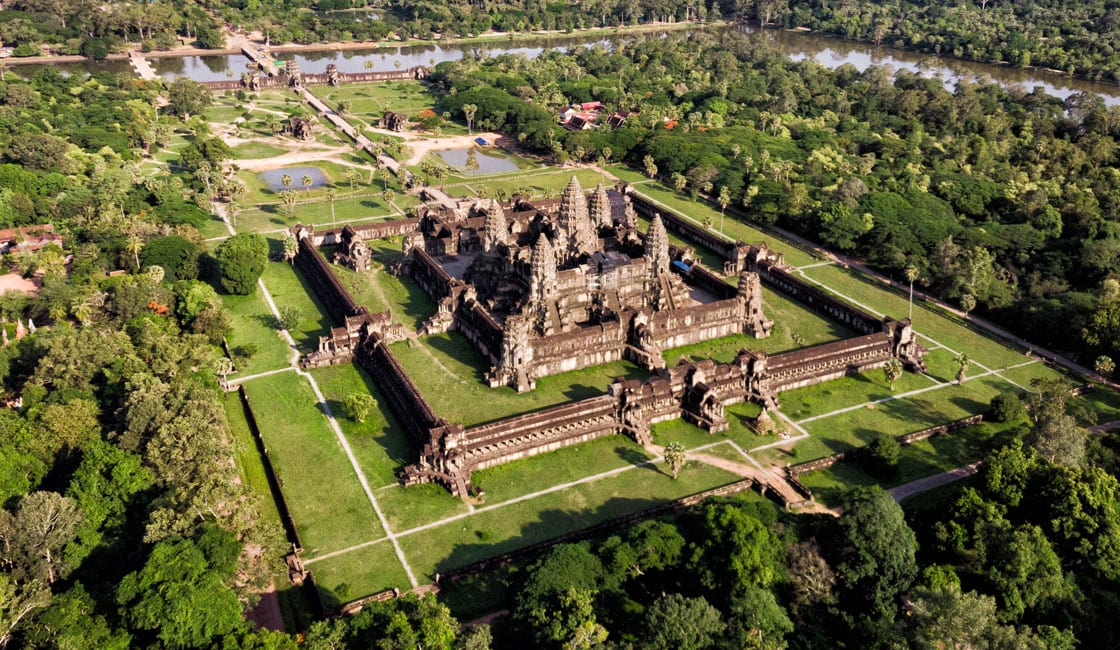
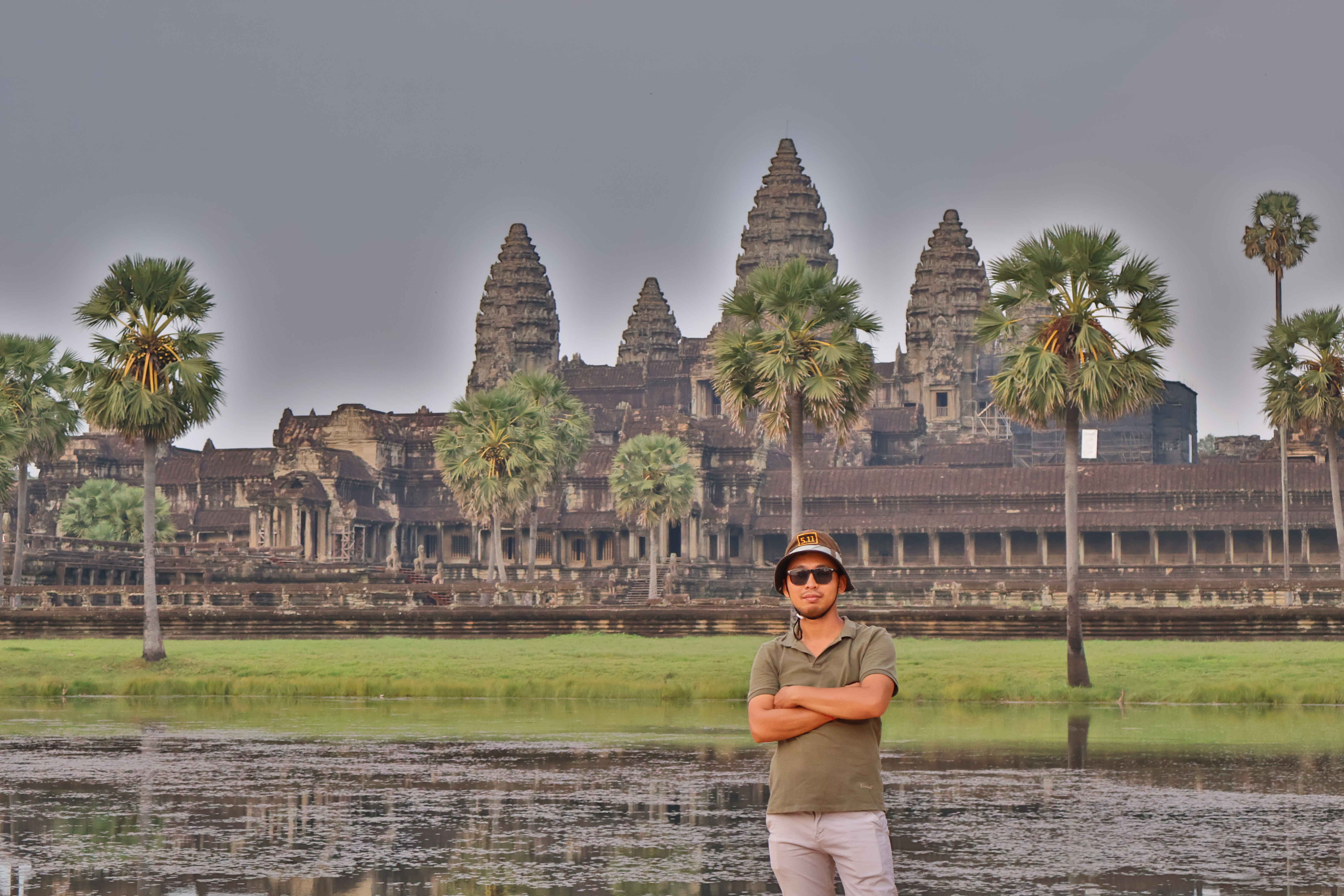
Among the wonders of the world, Angkor Wat is more than just the largest religious monument; it is a profound testament to the unimaginable glory of the ancient Khmer Empire. Located in Siem Reap province, this temple has remained the pride of Cambodia and the central symbol of its national flag for generations.
History and Construction
Angkor Wat was constructed in the early 12th century (between 1113 and 1150) during the reign of King Suryavarman II. Unlike many other temples of the era that were dedicated to Shiva, Angkor Wat was uniquely built as a tribute to Lord Vishnu in Hinduism.
Architectural Grandeur
What astounds the world is its architectural layout, designed to represent Mount Meru, the home of the gods:
- Five Central Towers: Symbolize the peaks of Mount Meru.
- The Massive Moat: Represents the cosmic ocean surrounding the universe.
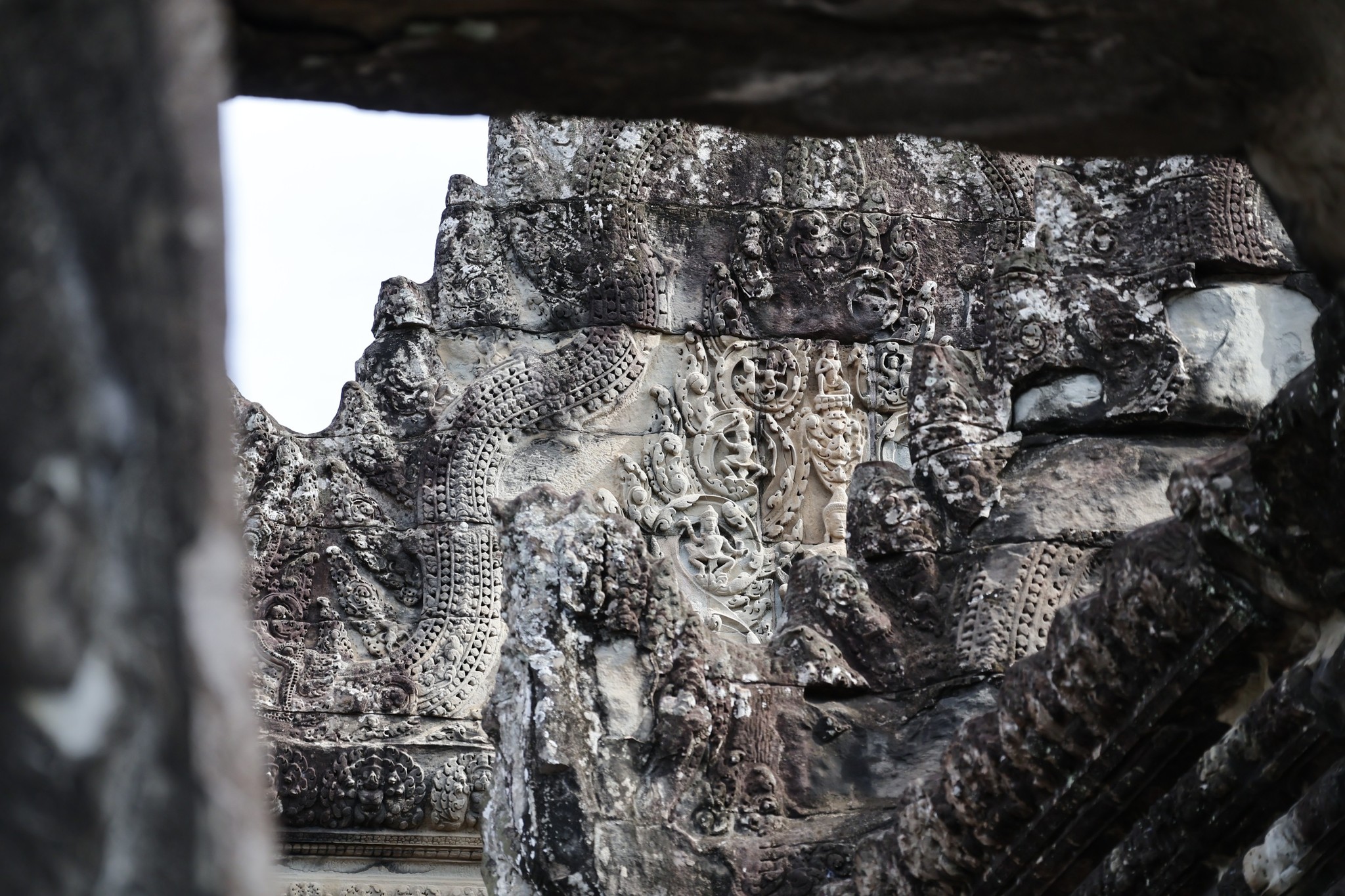
- Bas-reliefs: Hundreds of meters of intricate carvings depicting Hindu epics like the "Churning of the Ocean of Milk" and the majestic military triumphs of the King.
Secrets You Might Not Know
- Westward Orientation: Unlike most Khmer temples that face east, Angkor Wat faces west. Scholars suggest this is either because it is dedicated to Vishnu or intended as a funerary temple for the King.
- The Equinox Phenomenon: Every year in March and September, the sun rises precisely over the central spire of Angkor Wat, showcasing the advanced astronomical knowledge of ancient Khmer engineers.
Conservation and World Heritage
Angkor Wat was inscribed on the UNESCO World Heritage list in 1992. Today, the APSARA National Authority, in collaboration with international experts, works tirelessly to preserve this legacy for future generations and global visitors.
References
- សៀវភៅ "ប្រវត្តិសាស្ត្រខ្មែរ" - រៀបរៀងដោយលោក ត្រឹង ងារ (History of Cambodia by Treng Ngea).
- UNESCO World Heritage Centre - Angkor Conservation Profiles.
- Higham, C. (2001). The Civilization of Angkor. University of California Press.
- APSARA National Authority Official Website.
Advertisement
Photo Gallery