The Kouprey

yean rath
January 10, 2026 • 303 views
Advertisement

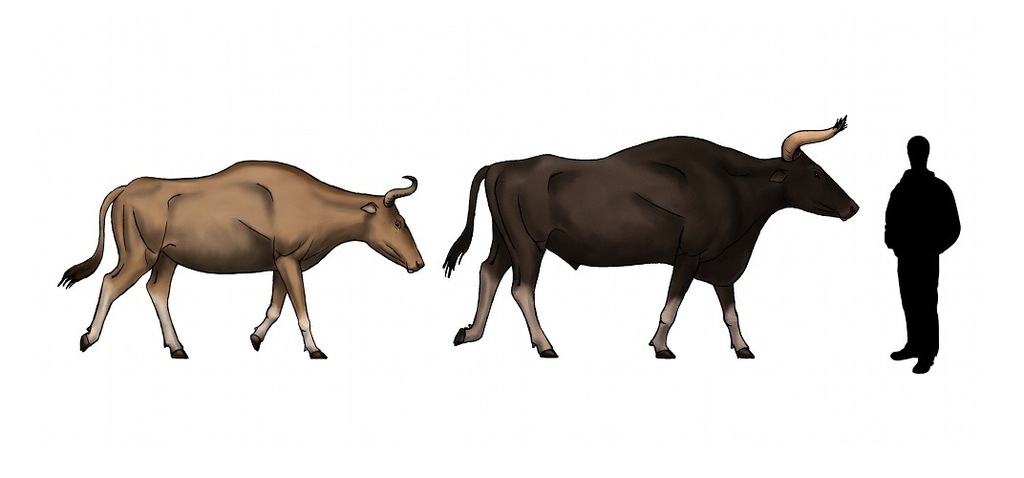
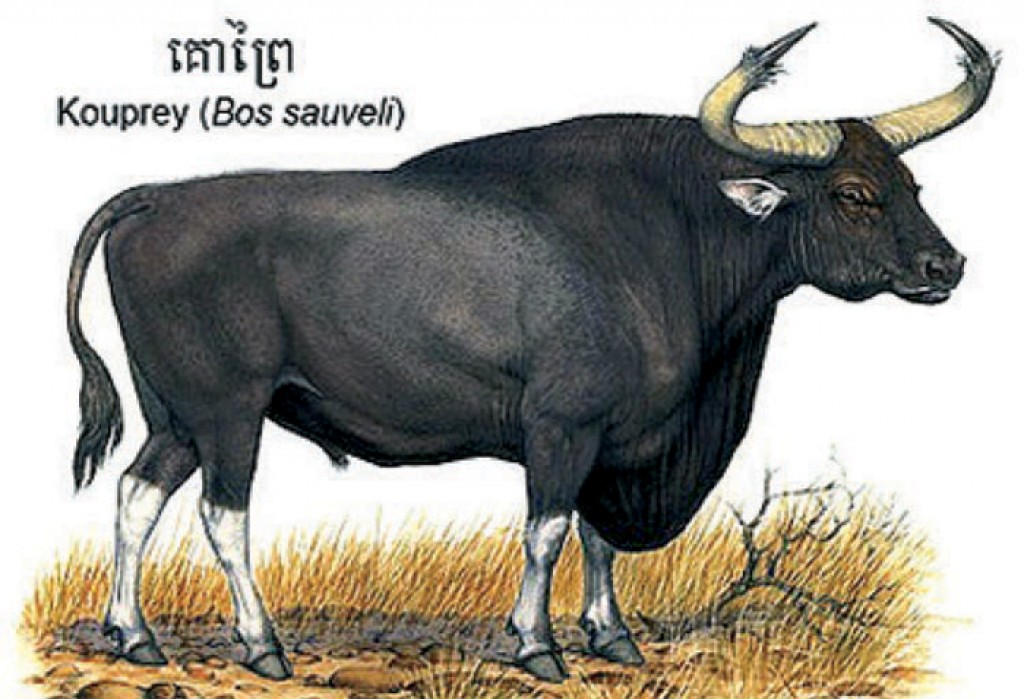
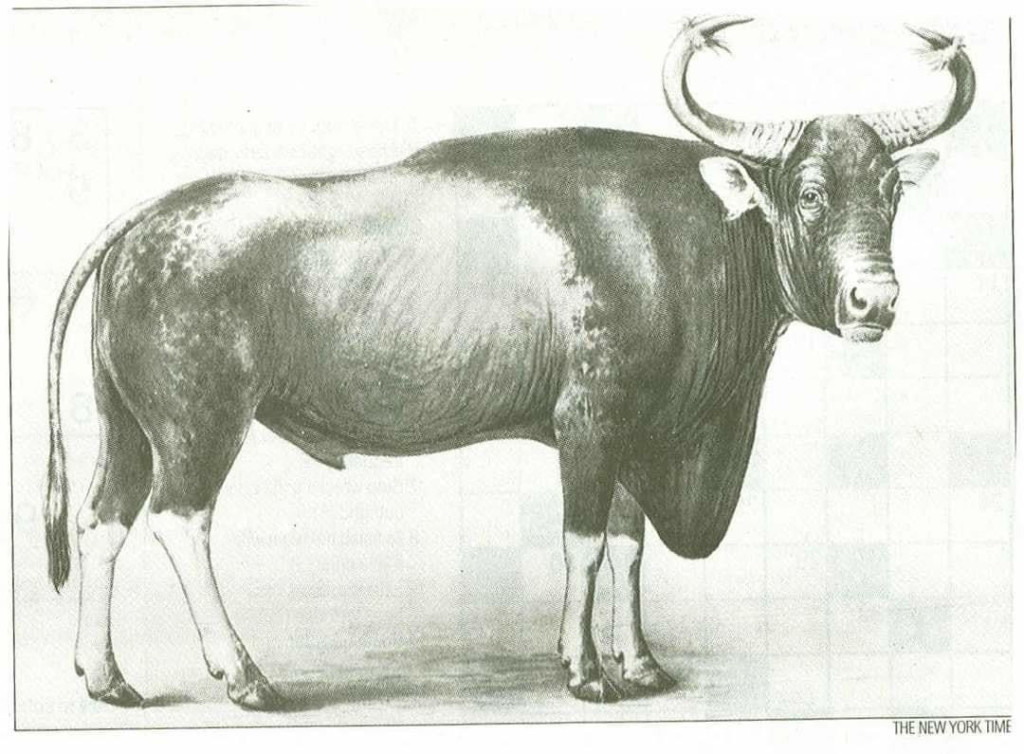
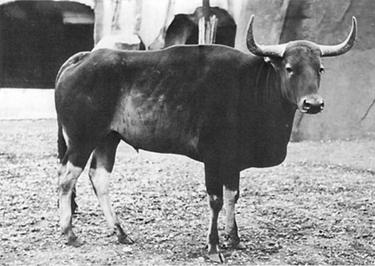
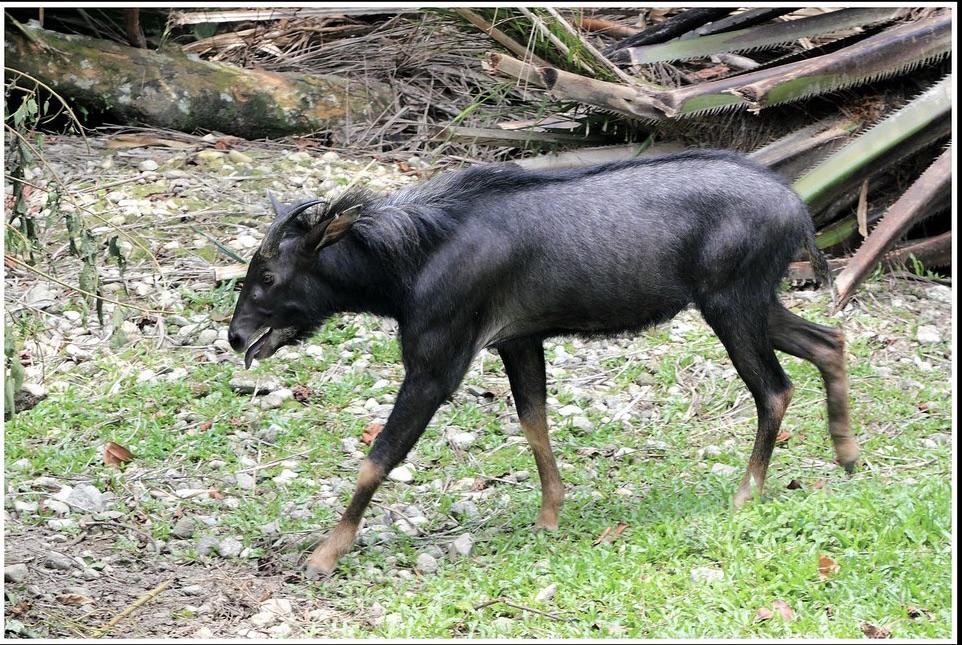
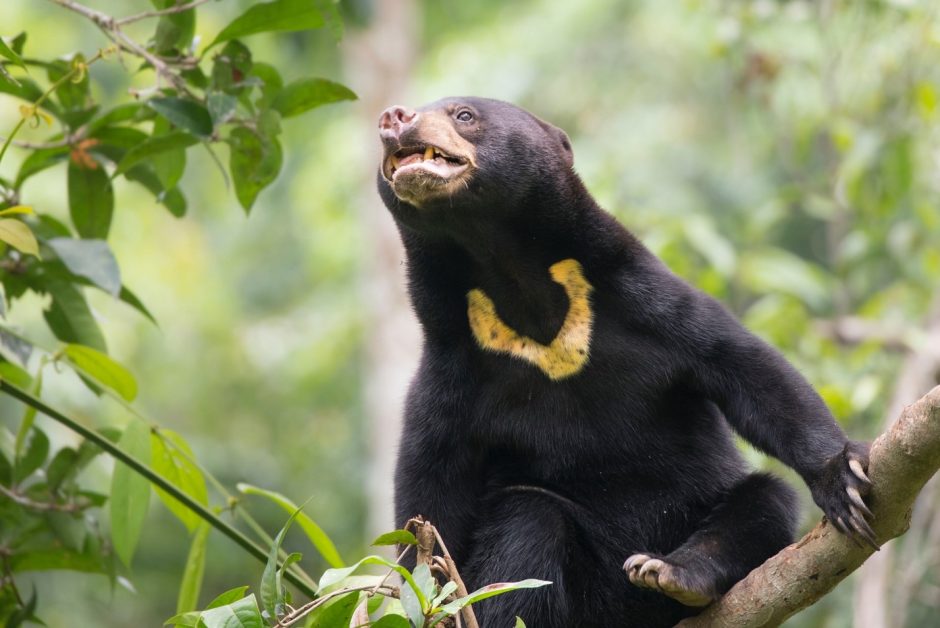
A digital reconstruction or a vintage photo of the Kouprey, Cambodia's national animal, in the dry forests.
A National Symbol and the Vanishing Mystery of the Cambodian Jungle
In the natural history of Southeast Asia, no creature is as mysterious or as charismatic as the Kouprey (Bos sauveli). Often called the "Forest Ghost," it has eluded human eyes for decades. Yet, its legendary name and majestic form remain deeply embedded in the hearts of Cambodians as the National Animal of the Kingdom.
What is the Kouprey?
The Kouprey is a large species of wild forest ox native to mainland Southeast Asia, particularly Cambodia, Laos, and Thailand. It was first introduced to the scientific world in 1937 by a French zoologist named Achille Urbain, who discovered it in northern Cambodia.
Unique Characteristics:
- The Horns: The most awe-inspiring feature is the male's horns. They are robust, arching forward and upward, often with distinctive frayed or shredded ends—a result of the animal vigorously digging into the earth and goring stumps.
- The Dewlap: Adult males possess a remarkably long, hanging dewlap that can sometimes almost touch the ground as they walk.
- The Coat: Males typically have a dark grey or black coat, with white "stockings" on their lower legs, adding to their noble appearance.
A Symbol of National Soul
In 2005, through a Royal Decree, the Kouprey was officially designated as the National Animal of Cambodia. This recognition honors the animal's strength, dignity, and its representation of Cambodia’s vast natural biodiversity. Its image is found on tax stamps, coins, and within the textbooks of every generation.
The Mystery of Extinction
The biggest question haunting scientists and conservationists is: "Is the Kouprey extinct?" The last confirmed photograph of a live Kouprey dates back to 1957, and the last sightings were reported in the 1980s. Since then, despite thousands of camera traps deployed across remote jungles, the Kouprey has remained invisible.
Reasons for Decline
- War and Unrest: Decades of civil war led to heavy poaching for food and the destruction of their habitat through landmines and military activity.
- Habitat Destruction: Deforestation for agriculture stripped away the open forests and grasslands they relied upon.
- Livestock Diseases: It is believed that diseases like rinderpest, caught from domestic cattle, may have dealt a fatal blow to their small populations.
Hope and Conservation
While the IUCN lists the Kouprey as Critically Endangered (Possibly Extinct), a flicker of hope remains. Some experts believe it might still survive in the most remote, unexplored corners of the Cardamom Mountains or the Eastern Plains. The legacy of the Kouprey acts as a powerful catalyst for forest protection in Cambodia. Even if we cannot save the Kouprey, we must save its "home" to ensure that other rare species, like the Banteng and Gaur, do not follow the same tragic path.
The Kouprey is not just an animal; it is the soul of Cambodian nature. It serves as a reminder of the priceless value of what we have and the profound pain of losing it forever. Honoring the Kouprey starts with protecting the forests and wildlife that remain with us today.
References
- IUCN Red List of Threatened Species: Bos sauveli.
- Urbain, A. (1937). "Le Kouprey ou bœuf gris du Cambodge". Bulletin de la Société Zoologique de France.
- WWF Cambodia: National Animal Profiles and Conservation History.
- Wharton, C. H. (1957). "An Ecological Study of the Kouprey". Monographs of the Institute of Science and Technology, Manila.
- Ministry of Environment, Cambodia: Biodiversity and Protected Areas Reports.
Advertisement
Photo Gallery