The Tiger

yean rath
January 09, 2026 • 151 views
Advertisement
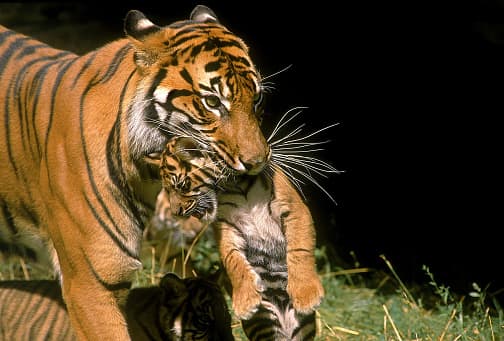
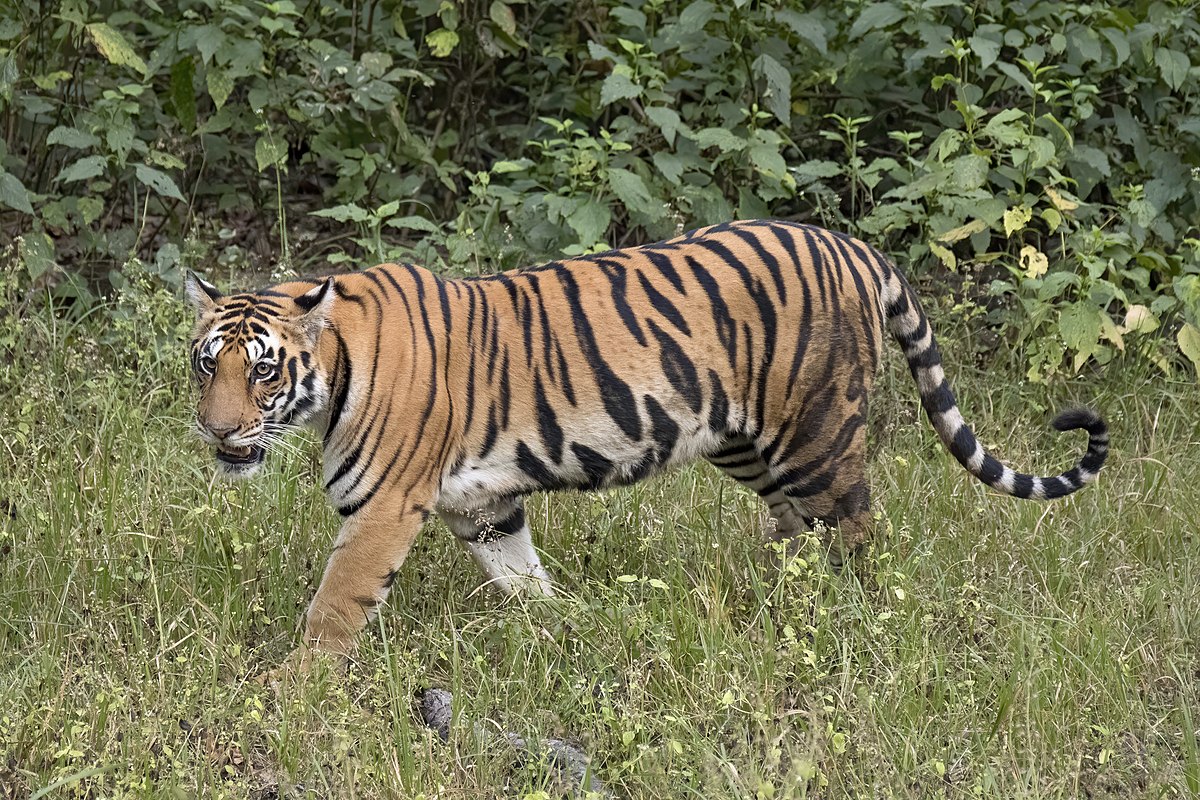
A majestic Bengal tiger walking through a lush green forest, showing its iconic orange coat and black stripes.
King of the Jungle and a Flame of Hope That Never Fades
In the natural world, few creatures embody power, beauty, and awe quite like the Tiger (Panthera tigris). With its iconic black stripes etched against a fiery orange coat, the tiger is the ultimate ruler of Asia's ecosystems. Yet, behind this majestic presence, the tiger is fighting its most desperate battle for survival on a rapidly changing planet.
Biology and Identity
Tigers are the largest of all wild cats. A male Siberian tiger can weigh up to 300 kilograms, possessing the raw power to drag prey twice its own body weight.
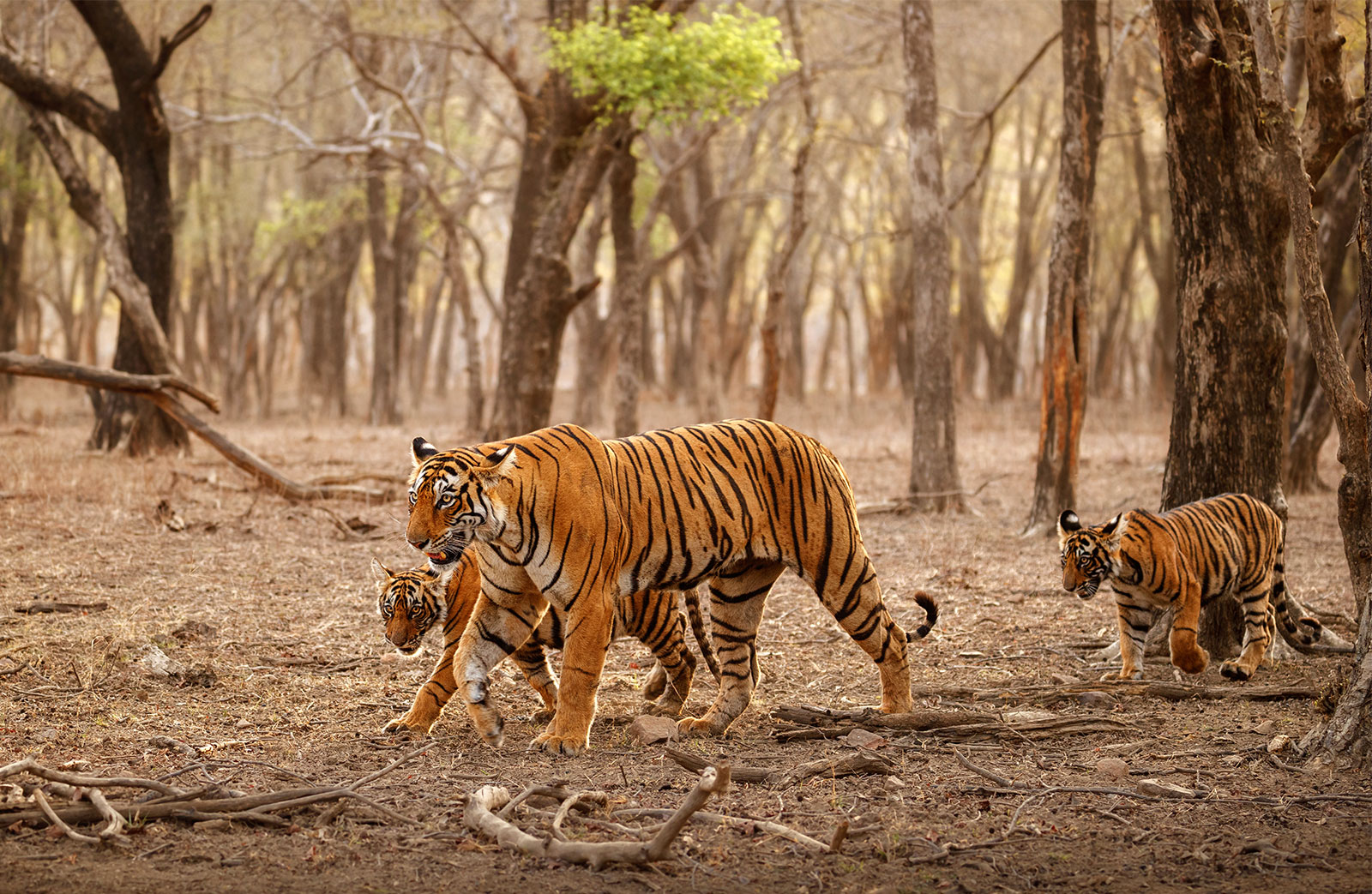
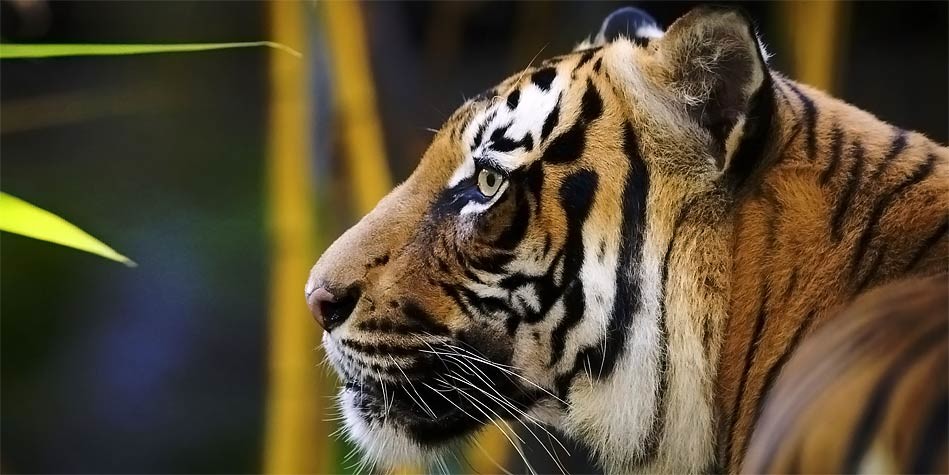
The most fascinating aspect of their biology is their stripes. Much like a human fingerprint, no two tigers have the same pattern. Even if you were to shave a tiger, the stripe patterns would still be visible on its skin. These markings are nature’s perfect camouflage, allowing the "King of the Jungle" to vanish into the tall grasses and dappled shadows of the forest while stalking prey.
The Solitary Swimmer
Unlike domestic cats that shun water, tigers are master swimmers. They love the water and are known to swim kilometers across wide rivers. On scorching days, they are frequently seen cooling off in forest pools.
Tigers are solitary hunters. They require vast territories to survive, which they mark with urine and deep claw gashes on tree trunks. They are primarily nocturnal hunters, utilizing eyesight that is six times more sensitive than a human's in the dark.
The Cambodian Tragedy
In Cambodia, the tiger is woven into the fabric of culture and history. However, it is a source of profound national sadness that the tiger was declared "functionally extinct" in Cambodia’s wild in 2016. The last wild tiger was captured on a camera trap in 2007 in Mondulkiri Province.
The primary drivers of this loss were relentless poaching for the illegal wildlife trade and the widespread "snaring crisis," which decimated the tiger's prey base—animals like banteng, sambar deer, and wild boar.
The Road to Recovery
Even though the tiger has vanished from Cambodia's forests, hope is being rekindled. The Cambodian government, in collaboration with international NGOs like WWF and Wildlife Alliance, is implementing a historic Tiger Reintroduction Plan.
The strategy includes:
- Securing Core Zones: Specifically in the Cardamom Rainforest Landscape to ensure a snare-free environment.
- Prey Restoration: Increasing the population of deer and wild pigs.
- The India-Cambodia Agreement: A landmark deal to translocate tigers from India to be rewilded in Cambodian protected areas.
Why Save the Tiger?
The tiger is an "Umbrella Species." By saving one tiger, we protect thousands of hectares of forest and hundreds of other species that live under its protective canopy. A forest with tigers is a healthy forest—an ecosystem that provides clean water and fresh air for humanity.
The return of the tiger is the restoration of Cambodia's natural honor. It is not an easy task, but it is our collective duty to stop the consumption of bushmeat and the use of snares. May the roar of the King soon echo once again through the forests of Cambodia.
References
- WWF-Cambodia: "Tiger Reintroduction in the Eastern Plains and Cardamom Mountains."
- Wildlife Alliance: "Protecting the Cardamom Rainforest Landscape for Apex Predators."
- IUCN Red List: Panthera tigris (Endangered Status).
- Global Tiger Forum: Statistics on tiger populations and conservation efforts.
- Ministry of Environment, Cambodia: Annual reports on wildlife and protected area management.
Advertisement
Photo Gallery