The Mystery of the "Coin Spider" Worth Its Weight in Gold

yean rath
January 17, 2026 • 415 views
Advertisement

cyclocosmia-ricketti-rare-coin-spider-facts
Due to its rarity and artifact-like appearance, Cyclocosmia ricketti is considered a "gem" among exotic pet collectors.
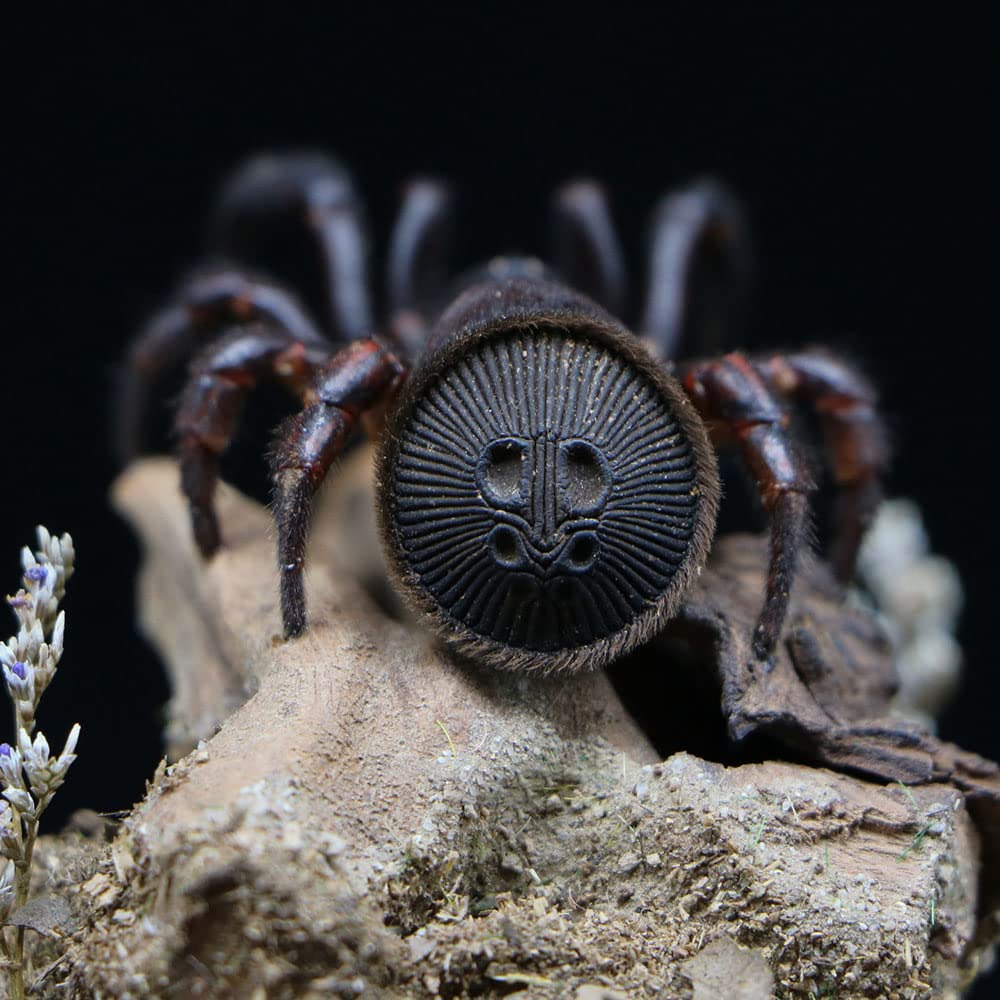
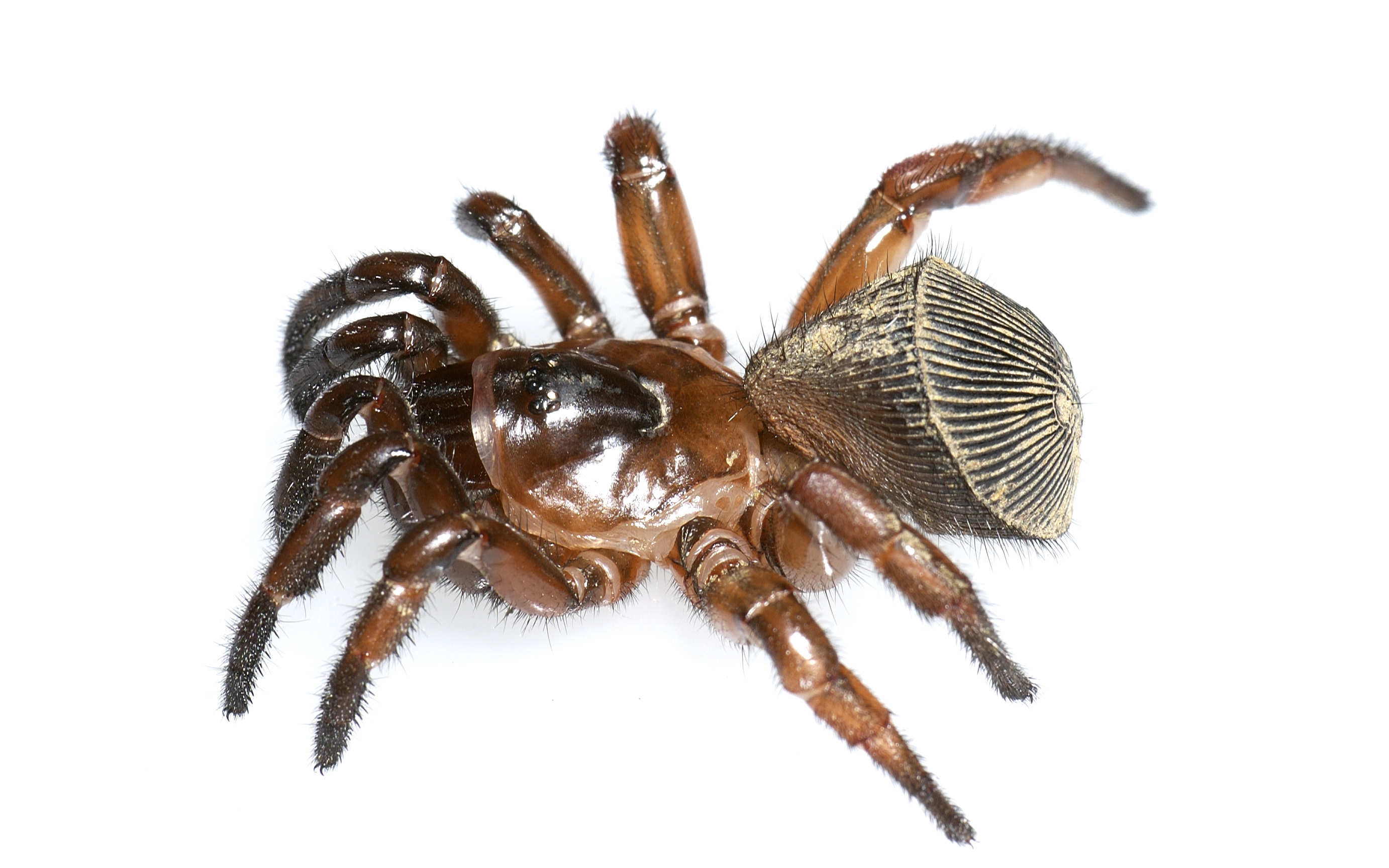
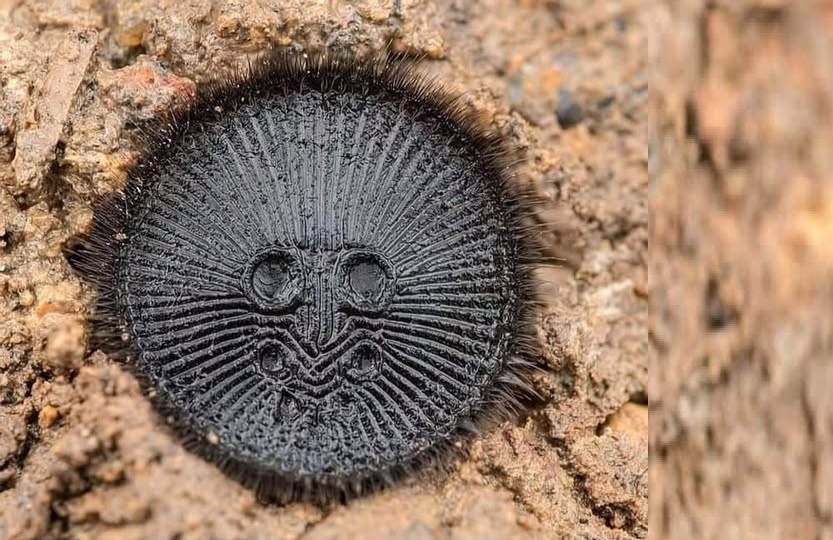
In the world of insects and arachnids, there is one species that continues to baffle scientists and exotic collectors alike: Cyclocosmia ricketti. Due to its bizarre posterior, it is commonly known as the "Coin Spider" or the "Chinese Hourglass Spider," resembling an ancient seal or a carved coin.
Appearance and Unique Defense
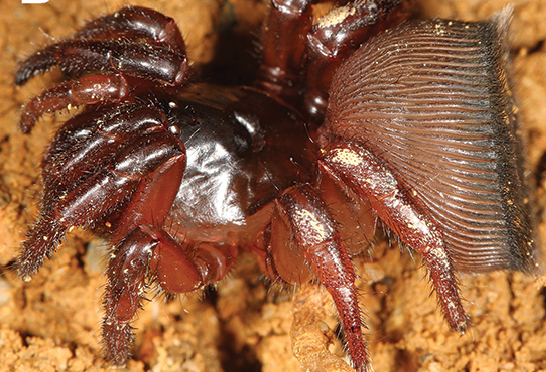
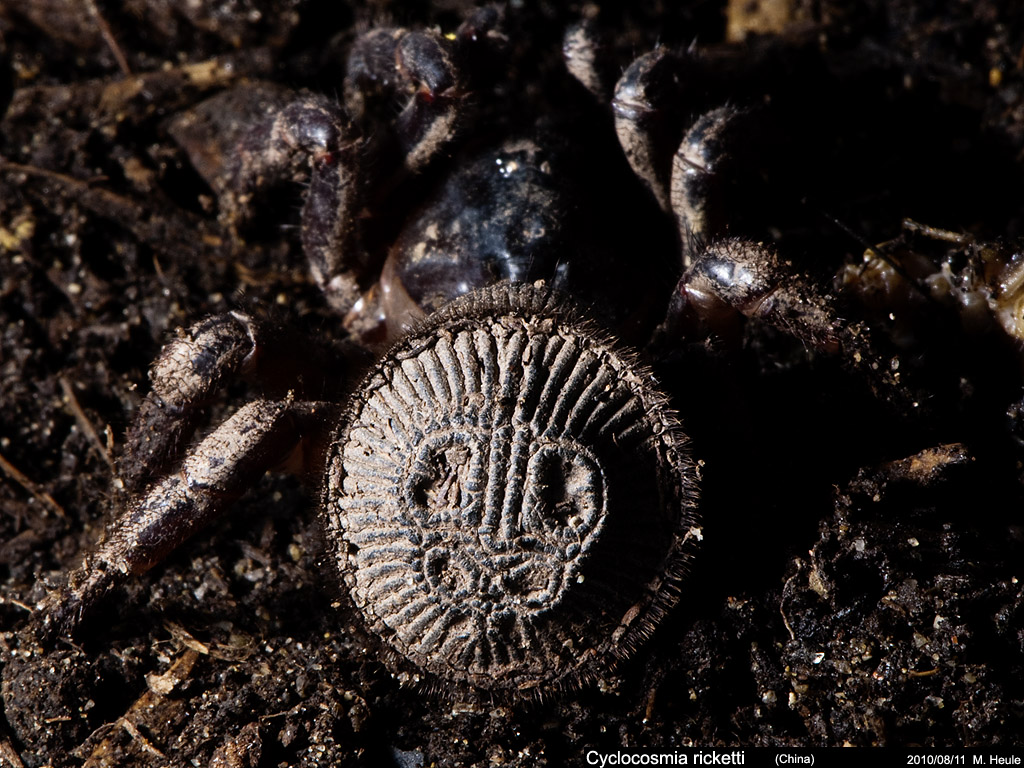
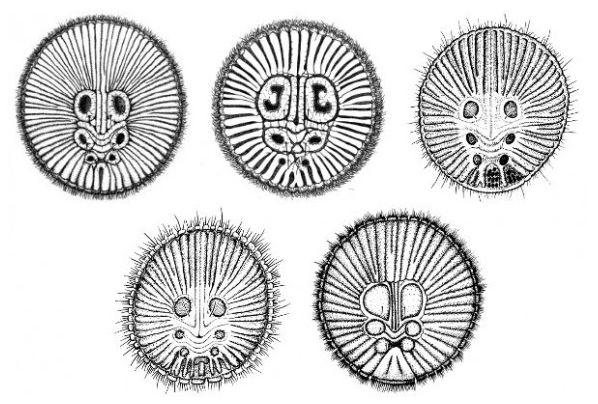
The most striking feature of Cyclocosmia ricketti is its truncated abdomen, which ends abruptly in a hardened, flat disc. This disc is adorned with intricate patterns that look like ancient carvings or a complex maze.
The Phragmosis Phenomenon
This creature is a type of trapdoor spider. When threatened, it employs a brilliant defense mechanism called Phragmosis. It dives headfirst into its burrow and uses its hardened, flat abdomen to plug the entrance perfectly. To a predator, the spider disappears, replaced by what looks like a stone or a patch of hard ground.
Habitat and Market Value
First described in 1901, this species is primarily found in China (specifically Fujian and Zhejiang provinces). Because they are sedentary burrowers that rarely emerge, encountering one in the wild is an extremely rare event.
Market Value
Due to its rarity and artifact-like appearance, Cyclocosmia ricketti is considered a "gem" among exotic pet collectors. In China, there have been reports of specimens selling for as high as 12,000 Yuan (approx. $1,750 USD), depending on the size and the definition of the pattern on its abdomen.
Is It Dangerous?
Despite its intimidating look, Cyclocosmia ricketti is not lethally venomous to humans. Its venom is relatively mild, and the spider is generally shy, preferring to block its burrow rather than bite. However, a bite can still be painful, comparable to a bee sting.
Cyclocosmia ricketti serves as a reminder that nature is full of mysteries. Its "ancient seal" appearance is not a coincidence, but a marvelous evolutionary adaptation perfected over millions of years for survival.
References
- Platnick, N. I. (2020). The World Spider Catalog. American Museum of Natural History.
- Li, S. & Lin, Y. (2016). Species Catalogue of China. Vol. 2. Animals, Invertebrates (I), Arachnida: Araneae. Science Press, Beijing.
- National Geographic - "Rare 'Coin Spider' Found in Chinese Farm" (News Archive).
- Zhu, M. S., Zhang, J. X. & Zhang, F. (2006). The Rare Spiders of Genus Cyclocosmia (Arachnida: Araneae: Ctenizidae) from China. The Raffles Bulletin of Zoology.
Advertisement
Photo Gallery