The Vaquita

yean rath
January 24, 2026 • 210 views
Advertisement
vaquita-porpoise-extinction-crisis-totoaba-trade
The Final Days of the "Panda of the Sea"
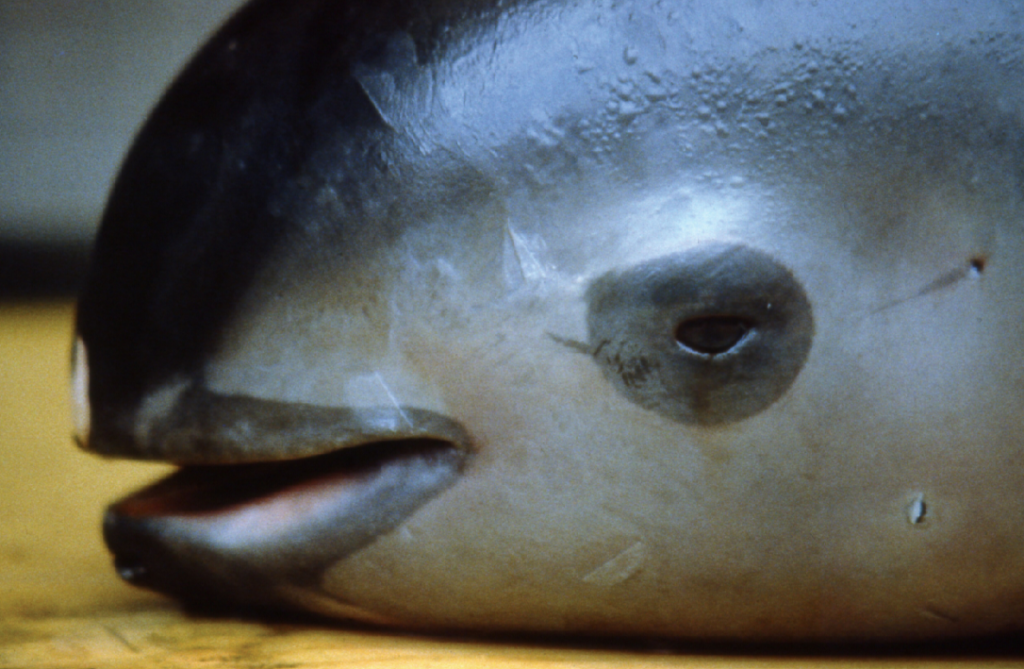
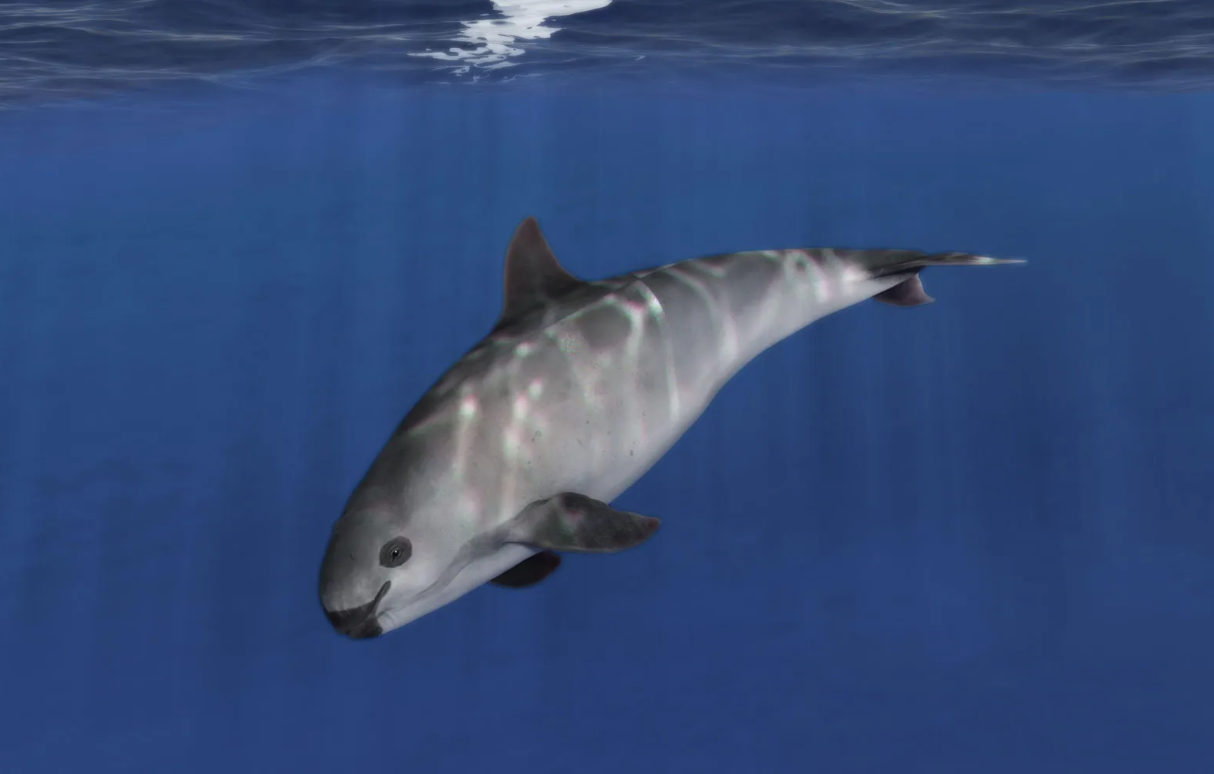
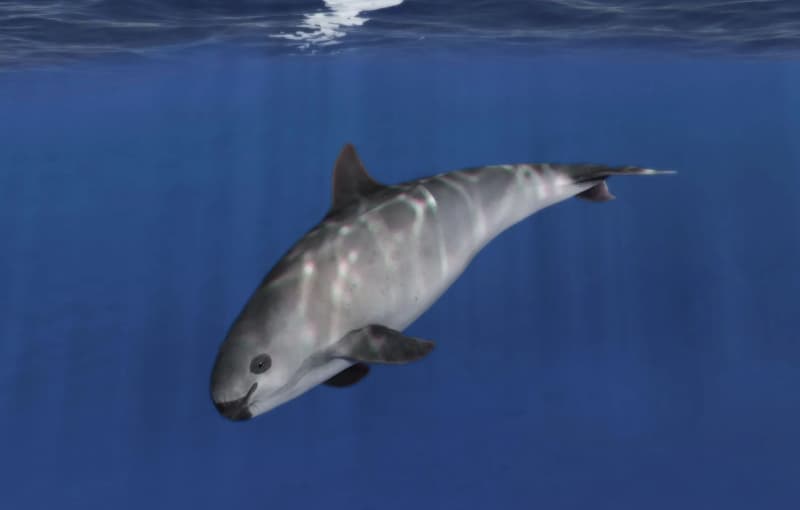
In the northern waters of the Gulf of California, Mexico, lives a creature with the most adorable face but the most tragic fate. This is the Vaquita (Phocoena sinus). It is not a fish, but the world's smallest porpoise, often called the "Panda of the Sea" because of the dark rings around its eyes.
Today, the world holds its breath as the population of this shy creature has dwindled to approximately 10 individuals. We are witnessing extinction in real-time.
Appearance: The Little Cow
The name "Vaquita" means "Little Cow" in Spanish.
- Size: It is the smallest cetacean in the world, growing only up to 1.5 meters (5 feet) long and weighing around 50 kg.
- The Smile: It is famous for its unique facial markings—dark rings around the eyes and patches on the lips that form a permanent, innocent smile.
- Behavior: Unlike playful dolphins, Vaquitas are incredibly shy and elusive. They avoid boats and surface only briefly to breathe, making them like ghosts of the ocean.
The Cause: The "Cocaine of the Sea"
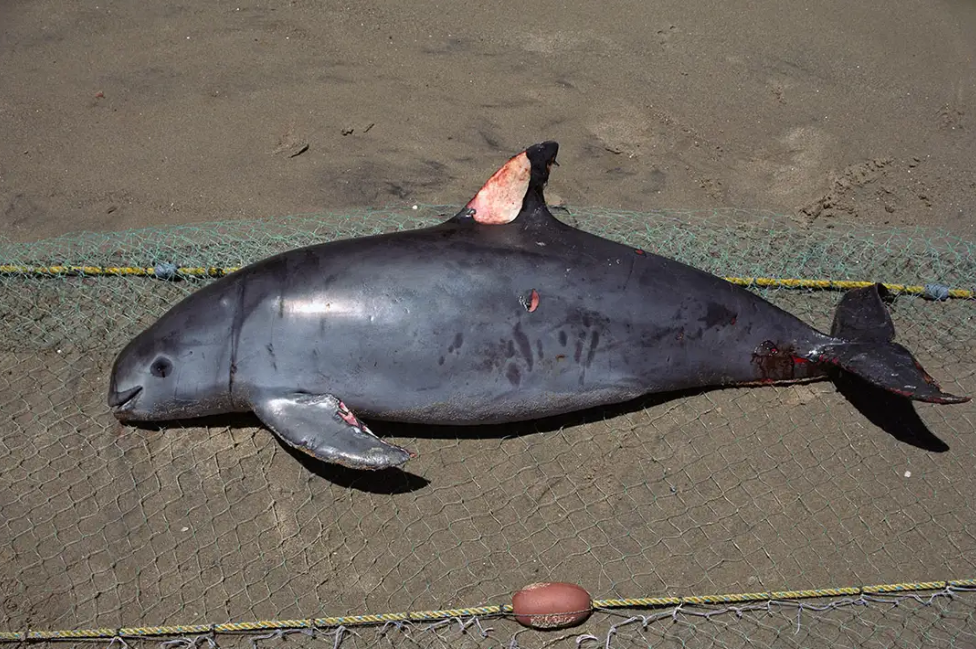
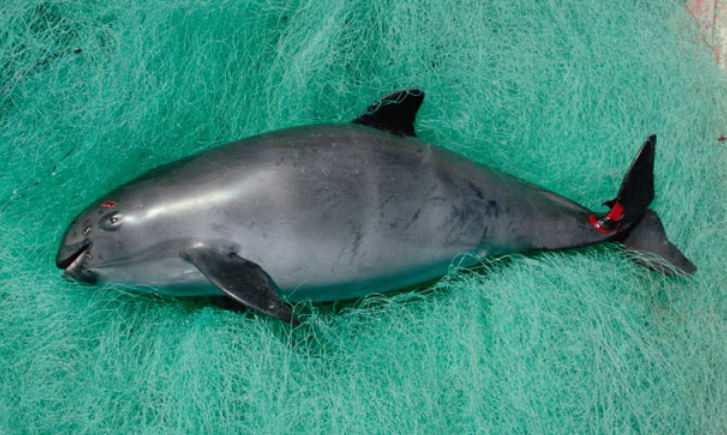
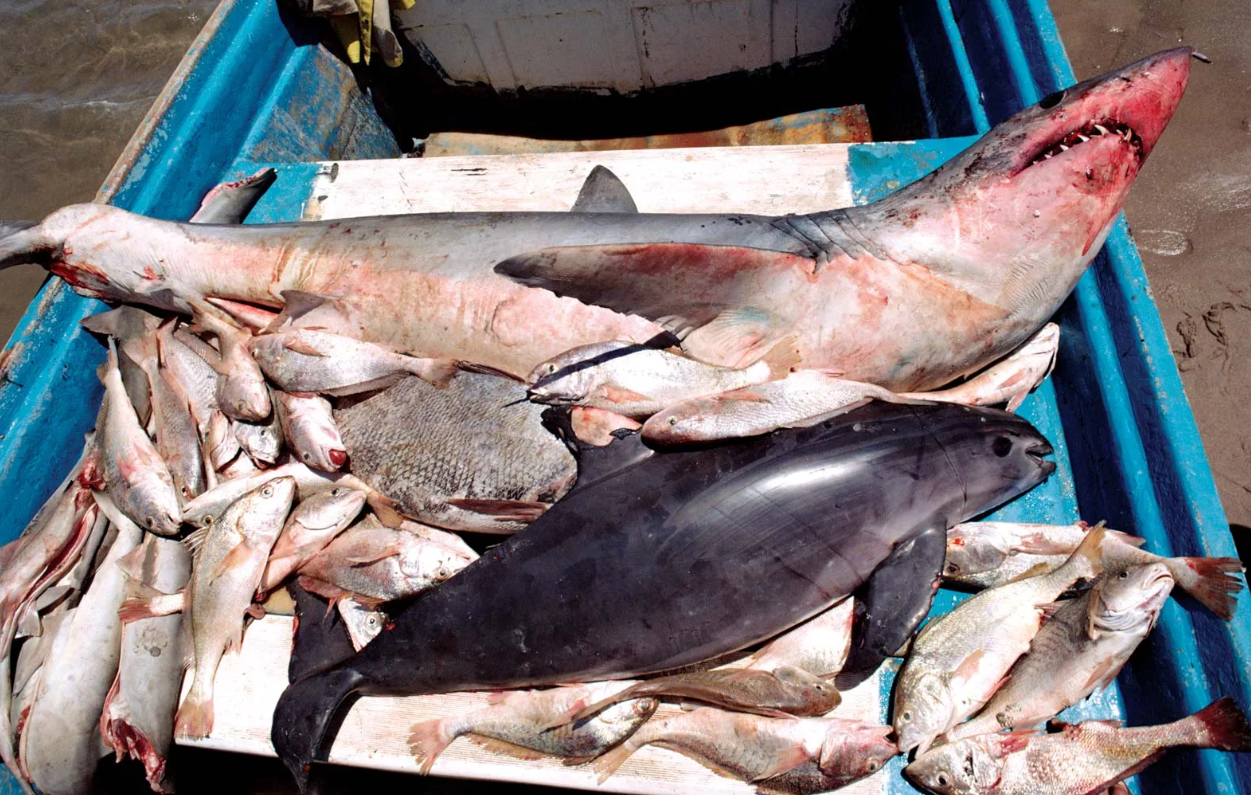
The most heartbreaking part of the Vaquita's story is that no one hunts them intentionally. They are dying as "collateral damage."
The crisis is driven by the illegal trade of the Totoaba fish. In China, the dried swim bladder of the Totoaba (known as "fish maw") is believed to have medicinal properties and sells for astronomical prices—sometimes called the "Cocaine of the Sea."
The Problem: Poachers use massive gillnets to catch Totoaba. Unfortunately, the Vaquita, being roughly the same size, gets entangled in these nets. Being mammals, they cannot surface to breathe and tragically drown.
Desperate Measures to Save Them
International organizations and the Mexican government have tried everything:
- Gillnet Bans: Establishing a "Zero Tolerance Area" where fishing is strictly prohibited.
- Vaquita CPR Project: In 2017, a bold attempt was made to capture Vaquitas and keep them in a safe sanctuary. The project was heartbreakingly canceled after a female Vaquita died from stress upon capture. This proved that Vaquitas cannot survive in captivity.
- Navy Dolphins: The US Navy even deployed trained dolphins to help locate the elusive porpoises.
Hope is frail, but it exists. The survival of the species depends entirely on enforcing a 100% gillnet-free zone. Nature is resilient; if the killing stops, the few remaining Vaquitas can breed. The Vaquita is a symbol of our ocean's fragility. Losing it would mark the first extinction of a marine mammal due to human activity in the 21st century.
References
- IUCN Red List: Phocoena sinus (Critically Endangered).
- VaquitaCPR: "Conservation, Protection, and Recovery."
- NOAA Fisheries: "Vaquita: Species in the Spotlight."
- Sea Shepherd Conservation Society: "Operation Milagro" (Anti-poaching campaign).
Advertisement
Photo Gallery