Vultures of Cambodia

yean rath
January 10, 2026 • 241 views
Advertisement
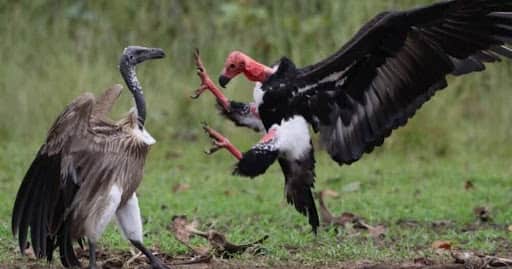
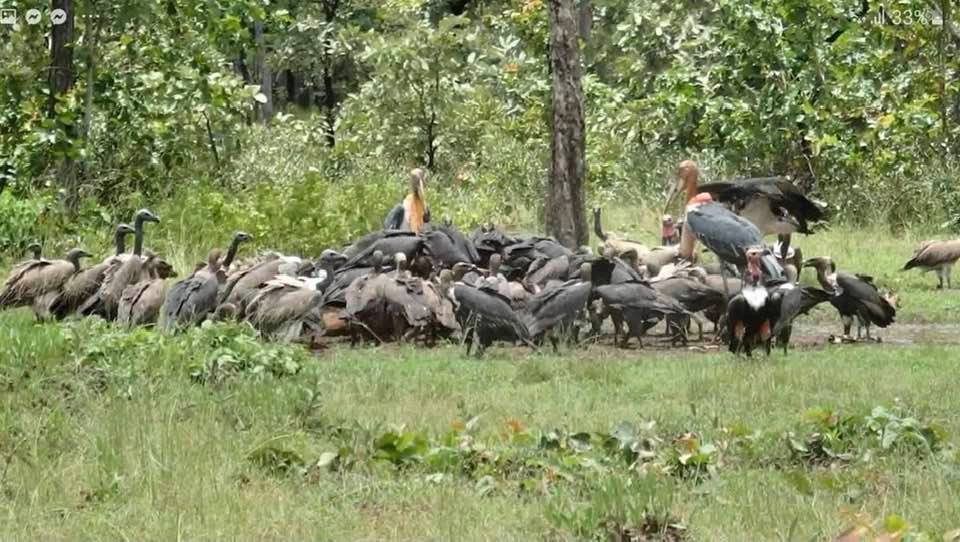
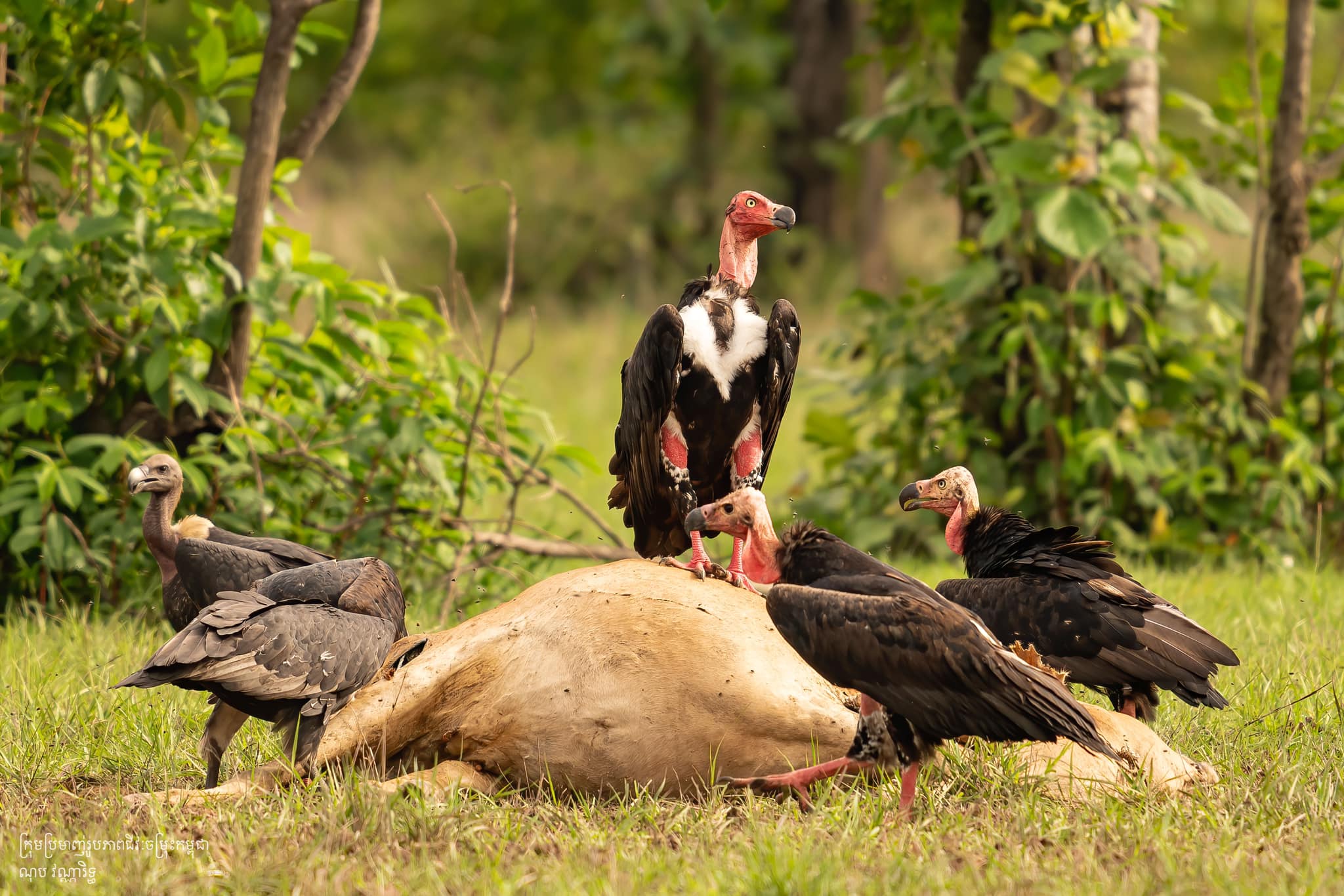
A group of vultures feeding at a "Vulture Restaurant" in Cambodia, featuring the White-rumped and Slender-billed species.
The Nature’s Cleaners and Their Final Fight for Survival
In the natural world, every bird has its role. When we talk about vultures, most people might picture unattractive birds feeding on rotting carcasses. However, behind that overlooked appearance, vultures are nature's most vital "sanitation workers." Cambodia is one of the last strongholds on Earth for these critically important birds.
The Three Species in Cambodia
Cambodia is home to three vulture species, all of which are listed as Critically Endangered on the IUCN Red List:
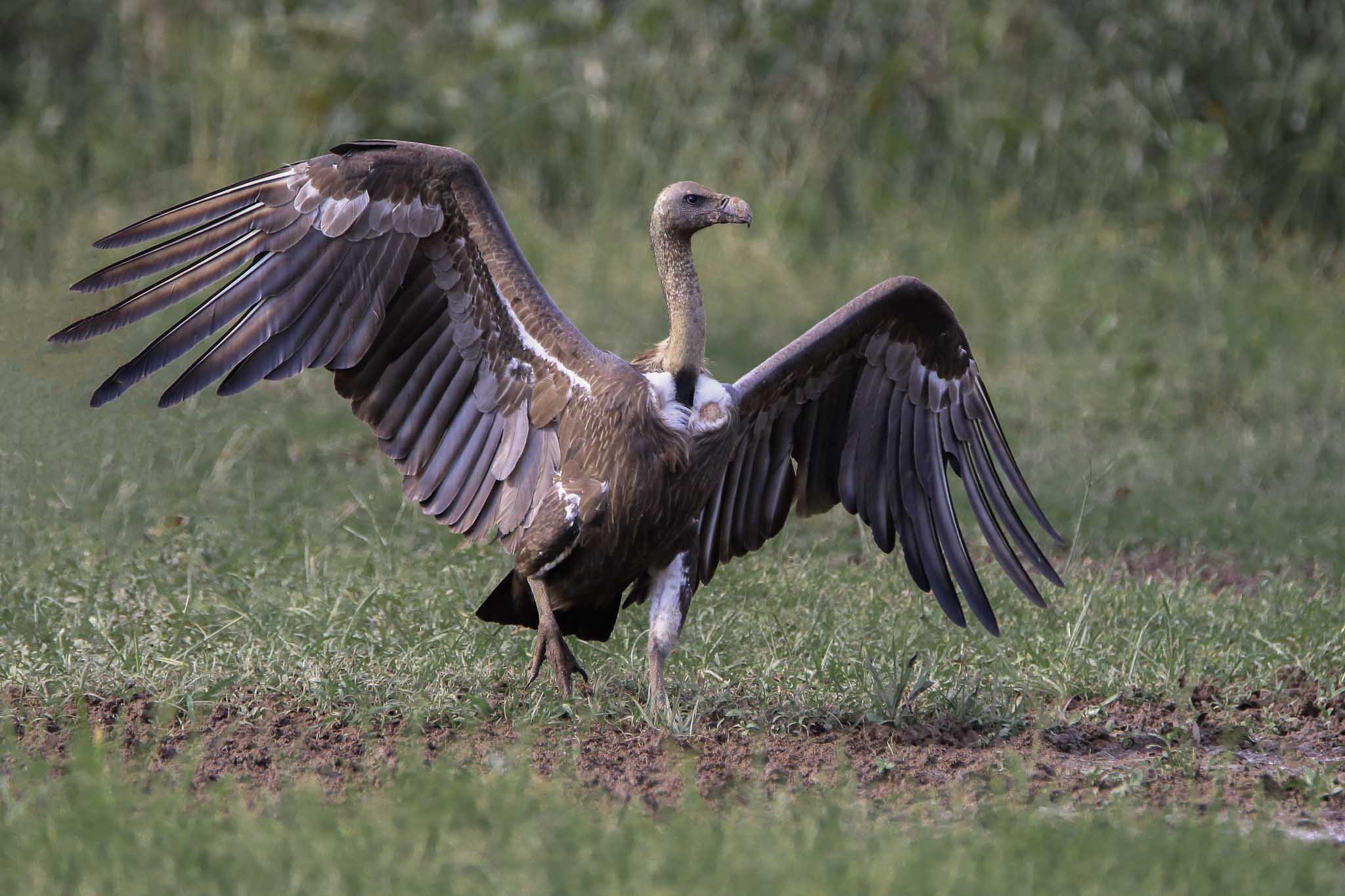
- White-rumped Vulture: The smallest of the three, identifiable by the white patch on its lower back.
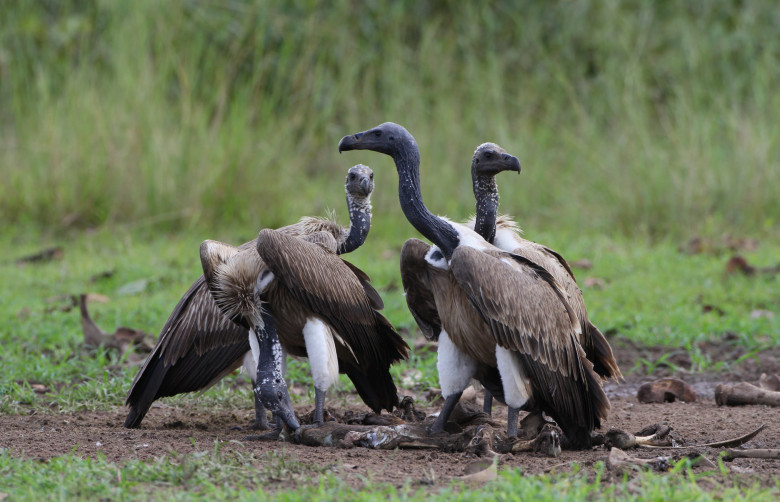
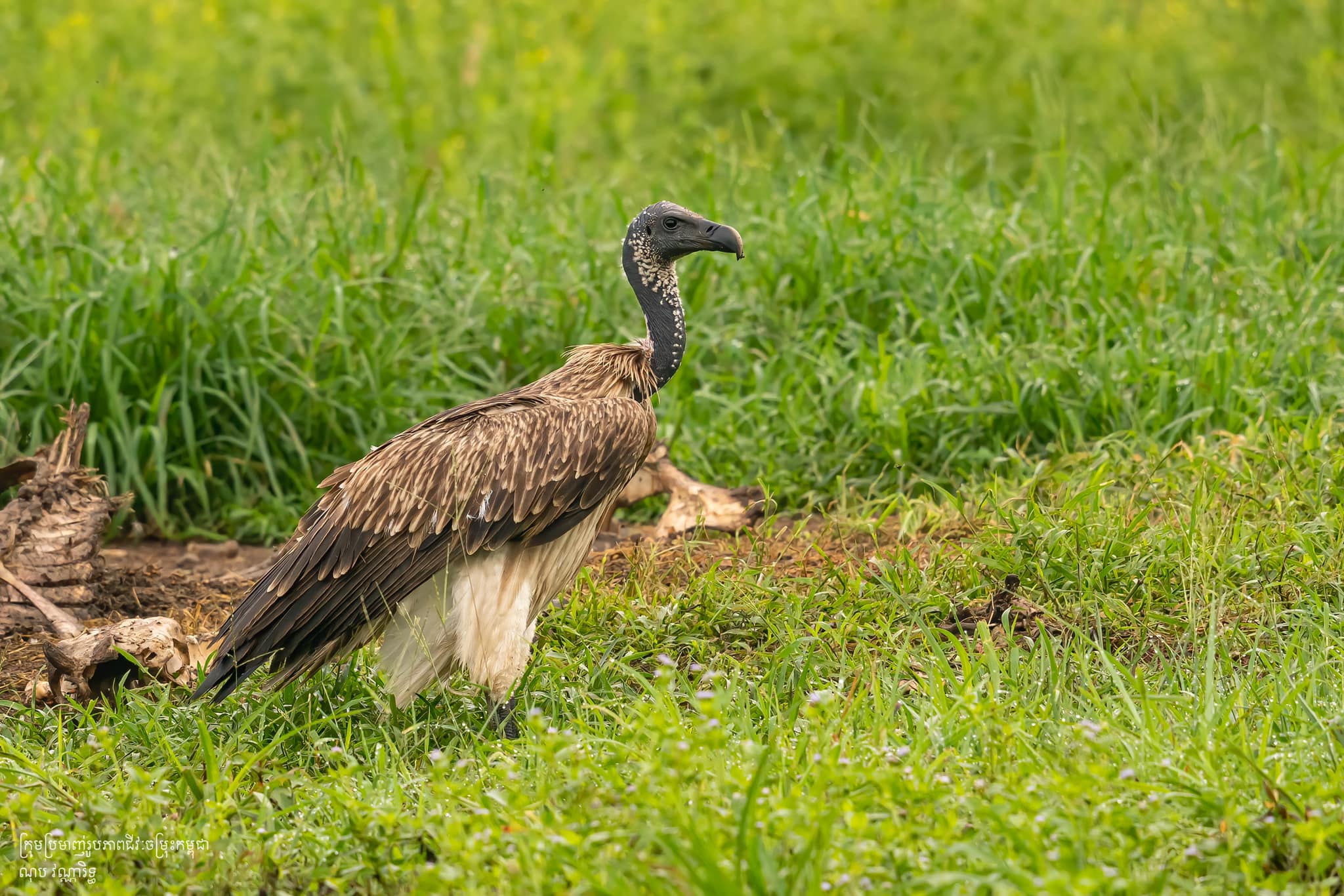
- Slender-billed Vulture: Known for its long, thin, featherless neck. It is the rarest among them.
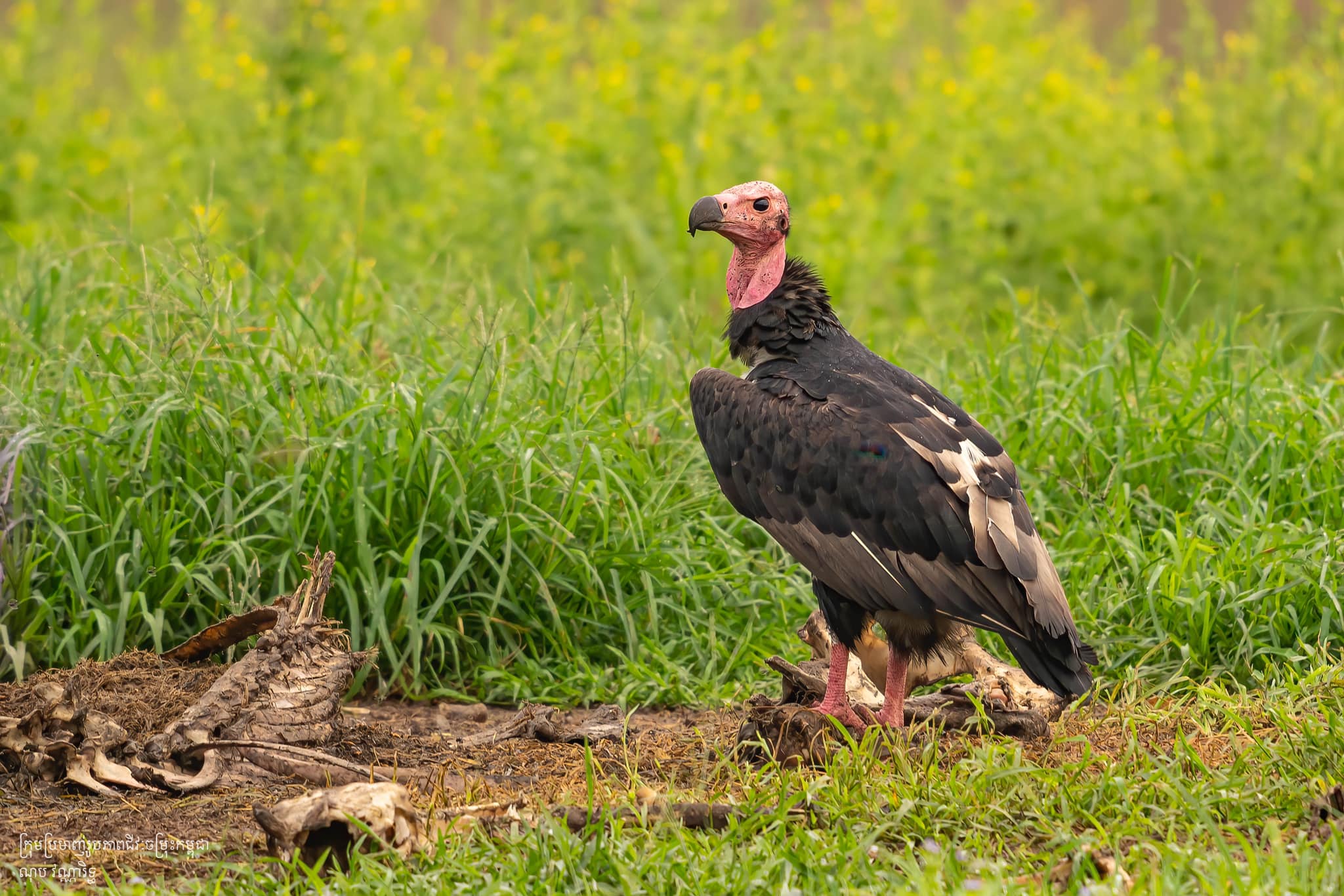
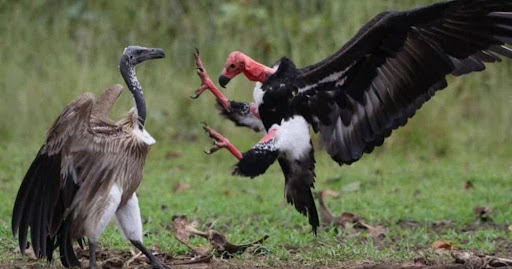
- Red-headed Vulture: The most striking of all, with a bright red head and neck. It’s often called the "King Vulture" because it usually arrives first at a carcass.
The Ecosystem's Sanitizers
What would happen without vultures? Vultures have an extraordinary digestive system capable of neutralizing dangerous bacteria in carcasses, such as anthrax or botulism. By consuming carrion, they prevent the spread of infectious diseases from wildlife to humans and livestock. Without them, rotting carcasses would linger, creating breeding grounds for pathogens and attracting pests.
Threats: Why They Are Disappearing
Currently, Cambodia's vulture population is estimated at only 100 to 120 individuals. The main threats include:
- Poisoning: This is the deadliest threat. Local farmers sometimes poison water sources or carcasses to kill unwanted animals (like stray dogs or wild pigs), but vultures feeding on these carcasses die in large numbers.
- Food Scarcity: The decline of wild ungulates (hoofed animals) in the forest leaves vultures with very little to eat.
- Habitat Loss: Logging of tall trees used for nesting.
The "Vulture Restaurant"
To save them, Cambodia established the "Vulture Restaurant" program. Conservationists provide safe, drug-free cow or buffalo carcasses once or twice a month at specific protected sites like Preah Vihear and Steung Treng. This provides a safe food source and allows scientists to monitor the remaining population.
Protecting vultures is not just about saving a single bird species; it’s about safeguarding public health and the balance of nature. Cambodia's vultures are on the brink of extinction. If we do not stop wildlife poisoning and protect our forests, we will lose these faithful "nature cleaners" forever.
References
- Cambodia Vulture Working Group (CVWG) - Annual Census Reports.
- BirdLife International - Cambodia Species Factsheet.
- WCS Cambodia (Wildlife Conservation Society) - Vulture Conservation Program.
- IUCN Red List - Status of Gyps bengalensis, Gyps tenuirostris, and Sarcogyps calvus.
Advertisement
Photo Gallery